



A pneumatic butterfly valve lets you control liquids or gases. It works fast and is very accurate. You can find this valve in water plants. It is also used in chemical factories. HVAC systems use it too. Oil and gas pipelines need it as well. People in these jobs must know how the valve works. This helps keep things safe and running well. TANGGONG VALVE is a trusted maker. They give good butterfly valve solutions all over the world.
The global market for pneumatic butterfly valves was $12.1 billion in 2024. It may grow to $15.8 billion by 2030. The growth rate is 4.5% each year.
|
Year |
Market Size (USD Billion) |
CAGR (%) |
|---|---|---|
|
2024 |
12.1 |
N/A |
|
2030 |
15.8 |
4.5 |
|
2026 |
13.2 |
N/A |
Key Takeaways
-
Pneumatic butterfly valves help control liquids and gases fast. They are important in places like water treatment and HVAC.
-
Picking the right materials for the valve is important. The body and disc can be made from metals, thermoplastics, or composites. Each material has good points and bad points.
-
Knowing about actuator types is helpful. There are single-acting and double-acting actuators. This helps you choose the best valve for your needs. It also makes sure the valve works well.
-
Regular maintenance is very important. You should check the valve every six months. This helps the valve last longer and keeps it safe.
-
TANGGONG VALVE gives reliable solutions with advanced designs. Their products work well for many industrial uses.
Pneumatic Butterfly Valve Overview
Definition and Structure
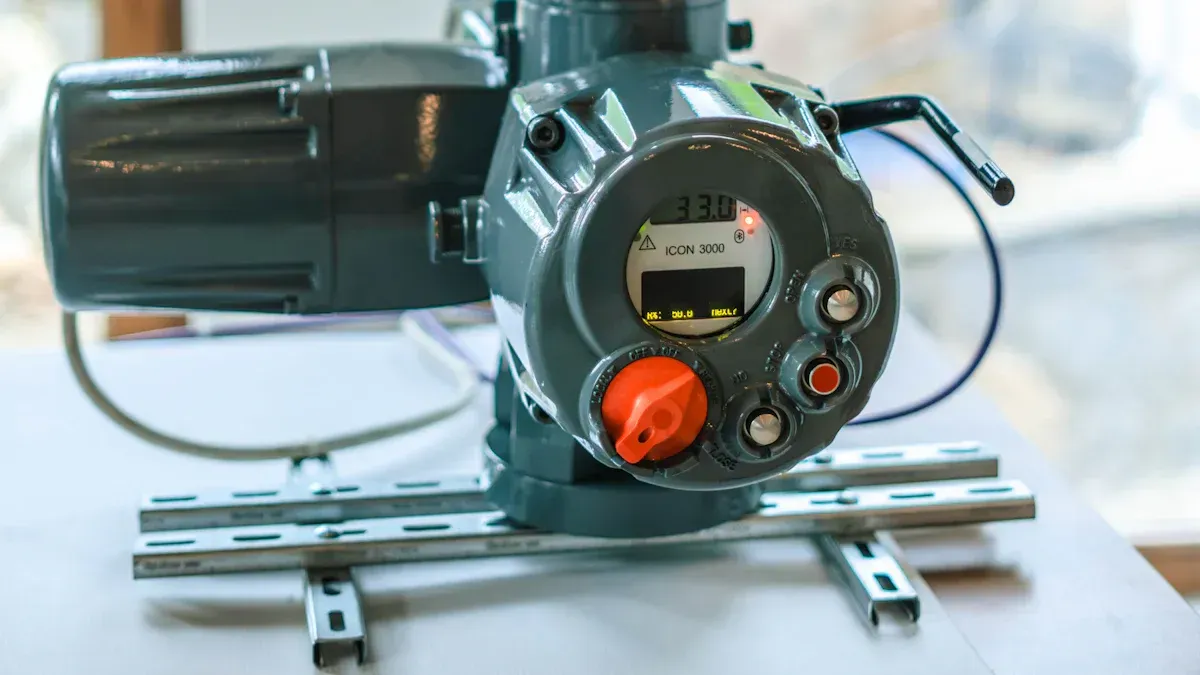
A pneumatic butterfly valve helps control liquids or gases. It uses compressed air to move a disc inside a pipe. When air goes to the actuator, the disc turns. This lets you open or close the valve fast. TANGGONG VALVE makes these valves for many industries. Their valves work in water treatment, chemical plants, and HVAC systems. The butterfly valve is simple. It has a flat, round disc on a shaft. The disc turns to let fluid pass or stop it. The body and disc can be made from metals, thermoplastics, or composites. Metals are strong and handle heat well. Thermoplastics resist corrosion and are lighter. Composites are light and do not conduct electricity.
Tip: The material you pick for the disc and body changes how the pneumatic butterfly valve works in different places.
|
Material Type |
Benefits |
Limitations |
|---|---|---|
|
Metals |
Strong, safe in fire, heat resistant |
Heavier than other materials |
|
Thermoplastics |
Resist corrosion, lighter |
Not good for high heat |
|
Composites |
Light, resist corrosion, non-conductive |
May not work for all fluids |
Main Components
Pneumatic butterfly valves have several main parts. Each part helps the valve work.
|
Component |
Description |
|---|---|
|
Pneumatic Actuator |
This part moves the valve. It has a cylinder and piston. |
|
Valve Stem |
It connects to the disc and turns to control flow. |
|
Butterfly Disc |
The round disc opens and closes to control fluid. |
-
Disc: You turn it to control fluid flow. This is good for adjusting flow.
-
Seat: It seals tight to stop leaks. This is needed for shutoff.
-
Solenoid valve: It controls air going to the actuator.
-
Limit switch box: It tells you if the valve is open or closed.
-
Positioner: It moves the actuator based on signals.
-
Air filter regulator: It keeps the air clean and steady.
-
Manual override mechanism: It lets you use the valve during repairs.
TANGGONG VALVE follows standards like ISO 5211 and NAMUR. These standards help the actuator fit well and accessories go on fast. You get reliable and quick operation in your system.
Working Principle of Pneumatic Butterfly Valves
Knowing how pneumatic butterfly valves work helps you use them well. These valves use compressed air to move a disc inside a pipe. The disc turns to control liquids or gases. You can open, close, or adjust the valve fast and easily. TANGGONG VALVE makes each valve strong and efficient. Their products follow strict rules like API 609, CE, and ISO 9001:2015. You can trust these valves for important jobs.
How the Actuator Works
The pneumatic actuator is the main part of the valve. It uses compressed air to make the valve move. Here is how the actuator works step by step:
-
Compressed air goes into the actuator.
-
The inside parts turn air pressure into movement.
-
The shaft makes force to turn the valve.
-
The coupling sends this force to the valve stem.
-
The shaft turns the disc.
-
The disc rotates about 90 degrees.
-
The switch box shows where the disc is.
This process gives you quick and accurate control. High-performance actuators can move the disc in less than 50 milliseconds. Most regular actuators finish a cycle in 0.5 to 5 seconds. You can make the system work better by adjusting air supply and settings. TANGGONG VALVE uses advanced actuator designs for smooth and steady operation. Their actuators pass tough tests for safety and performance.
Opening and Closing Mechanism
The opening and closing system is simple and works well. The actuator gets a signal to open or close the valve. The actuator moves the disc inside the pipe. You can pick single-acting or double-acting actuators for your needs.
|
Actuator Type |
Mechanism Description |
|---|---|
|
Single-Acting (Spring Return) |
Uses one air inlet. When air goes in, it turns the disc open. A spring pushes the disc closed when air leaves. |
|
Double-Acting |
Uses two air inlets. Air pressure opens and closes the disc, giving you full control both ways. |
The disc’s movement is important for how pneumatic butterfly valves work. When you open the valve, the disc lines up with the flow. This lets liquids or gases pass through. When you close the valve, the disc turns across the flow and blocks it. You can also stop the disc partway to control flow. This makes pneumatic butterfly valves useful in many industries.
TANGGONG VALVE’s products are strong and accurate. Their valves use good materials and advanced sealing. You get no leaks and long life. The company’s certificates and patents show they care about quality and new ideas. You can count on TANGGONG VALVE for safe and efficient flow control.
Tip: Always check the actuator type and control system before you install. This makes sure the pneumatic butterfly valve works right in your system.
Types and Features of Butterfly Valves
Single-Acting and Double-Acting Types
You can pick single-acting or double-acting pneumatic butterfly valves. Single-acting valves use a spring to return the disc. Double-acting valves use air to move the disc both ways. It is important to know how each type works. This helps you choose the best valve for your system.
|
Feature |
Single-Acting |
Double-Acting |
|---|---|---|
|
Operational Mechanism |
Uses a spring-return mechanism |
Uses compressed air for both directions |
|
Energy Efficiency |
More efficient in intermittent use |
Less efficient due to air consumption in both directions |
|
Reliability |
Fewer moving parts, but spring wear concerns |
More components, but even wear distribution |
-
Single acting valves need spring checks and replacements often.
-
Double acting valves need seal checks and air passage cleaning.
Single acting valves are good for places where safety matters most. They work well for emergency shutdowns. Double acting valves are better for jobs that need fast and accurate movement. You get quick action and good control.
Key Features of TANGGONG VALVE Butterfly Valves
TANGGONG VALVE butterfly valves use lined valve technology. The inside coating stops leaks and fights corrosion. You can pick PTFE, PFA, glass, or rubber for the lining. These materials protect against strong chemicals. You spend less time fixing things. Your equipment lasts longer.
Tip: TANGGONG VALVE butterfly valves are great for tough jobs. The design keeps your system safe and reliable.
Advantages in Industrial Applications
Pneumatic butterfly valves have many benefits for factories and plants.
|
Advantage |
Description |
|---|---|
|
High flow capacity |
Offers high flow capacity due to large disc opening and low-pressure drop. |
|
Accurate control |
Provides reliable control of flow rates with easy adjustment of the disc. |
|
Durability |
Made from high-quality materials, ensuring resistance to corrosion. |
|
Easy installation |
Simple design facilitates quick installation and maintenance. |
|
Low cost |
Relatively inexpensive compared to other valve types, with minimal upkeep. |
-
Pneumatic butterfly valves save energy by lowering pressure loss.
-
You pay less for pumping costs.
-
You can cut your energy bills by about 30% with these valves.
-
Regular checks help you make the valves last longer.
-
You save money because you do not need to buy new valves often.
You get fast response and easy control with a pneumatic actuator. The butterfly valve gives you strong and steady flow control in many industries.
Applications of Pneumatic Butterfly Valves
Water Treatment and Distribution
Pneumatic butterfly valves are used in water plants. They help control water flow and keep pipes safe. You can open or close the valve fast with a pneumatic actuator. These valves are used to clean water by removing dirt and other stuff.
-
They stop water flow in pipes and treatment plants.
-
They keep water moving at steady rates.
-
They help get rid of bad things in water.
Note: Picking the right butterfly valve makes your system work better and need less fixing.
|
Performance Metric |
Wafer Style |
Lug Style |
High-Performance |
Sanitary |
|---|---|---|---|---|
|
Leakage Rate |
Bubble-tight |
Minimal drop |
Bubble-tight |
Ultra-pure |
|
Cycle Life |
100,000 |
150,000 |
250,000 |
100,000 |
|
Response Time |
2-15 sec |
3-18 sec |
N/A |
N/A |
|
Service Life |
8-12 years |
8-12 years |
10-15 years |
8-10 years |
Oil, Gas, and Chemical Industries
Pneumatic butterfly valves help control liquids and gases in oil and chemical plants. They move and stop fluids safely. Pneumatic actuators are good for dangerous places because they keep things safe.
-
They have safety certificates for risky areas.
-
They follow rules for safe valve handles.
-
They use lockout/tagout for safe repairs.
Butterfly valves give you safe and steady flow in these jobs.
HVAC and Other Sectors
You use pneumatic butterfly valves in HVAC to control water for heating and cooling. They also manage air in ducts for ventilation. Pneumatic actuators react quickly to commands.
-
They control cold and hot water flow.
-
They manage air in pipes.
-
They seal tight to stop leaks.
-
They work with automated systems for better control.
-
Their small size fits in tight spots.
-
Fast response saves energy.
Tip: Pneumatic butterfly valves help keep buildings comfortable and save power.
Butterfly valves are used in ships, power plants, and food factories. They give you good control and steady fluid flow in many places.
You now know that a pneumatic butterfly valve uses compressed air. This air turns a disc inside the valve. The disc controls how much fluid can move. You can open or close the valve very fast. Here is a simple summary of the main parts and what they do:
|
Component |
Description |
|---|---|
|
Valve Body |
It holds the disc. Fluid moves through it. |
|
Butterfly Disc |
The disc turns to control flow. |
|
Stem |
It links the actuator to the disc. |
|
Pneumatic Actuator |
Air makes the stem and disc turn. |
|
Operation |
The disc turns 90 degrees for quick action. |
|
Actuator Types |
You can pick single-acting or double-acting. |
TANGGONG VALVE is known for good quality and smart ideas. They make strong valves. Their designs are new and useful. You can find many types for different jobs.
Pick TANGGONG VALVE for solutions you can trust. Their products help your system stay safe and work well.
FAQ
What is the main use of a pneumatic butterfly valve?
You use a pneumatic butterfly valve to control the flow of liquids or gases. It works fast and gives you accurate control. You find it in water plants, chemical factories, and HVAC systems.
How do you choose the right butterfly valve for your system?
You look at the size, pressure, and material. You check if you need single-acting or double-acting actuators. You pick a valve that fits your job and meets safety standards.
Tip: Ask TANGGONG VALVE for help if you are not sure.
Can you use a pneumatic butterfly valve for throttling?
Yes, you can use it for throttling. You turn the disc partway to adjust flow. High-performance valves give you better control for this job.
What materials are available for TANGGONG butterfly valve seats?
|
Seat Material |
Best Use |
|---|---|
|
PTFE |
Chemical resistance |
|
EPDM |
Water systems |
|
Metal |
High temperature |
You pick the seat material based on your fluid and temperature needs.
How often should you maintain a pneumatic butterfly valve?
You should check the valve every six months. You look for leaks, clean the actuator, and test the disc movement. Regular checks help your valve last longer.