



You should know the main difference between a wafer and a lug butterfly valve. A wafer valve goes between two pipe flanges. Bolts hold it in place by passing through the flanges. A lug butterfly valve has threaded inserts. Bolts connect right to each flange. This makes it easy to disconnect one side without touching the other. TANGGONG VALVE gives you reliable butterfly valve solutions. They have top certifications and a wide product range:
|
Certifications |
Product Range |
|---|---|
|
ISO9001:2015 |
Butterfly Valves |
|
CE |
|
|
TUV |
|
|
SGS |
|
|
API 6D |
|
|
API 607 |
|
|
20 patents |
|
The global market for these valves grows every year. Picking the right type is important for your business.
Key Takeaways
-
Wafer butterfly valves do not cost much and are light. They work well for water supply and cooling systems.
-
Lug butterfly valves make it easy to fix things. You can disconnect one side without turning off the whole system.
-
Pick a lug butterfly valve if you need dead-end service. It seals better and is more flexible.
-
Look at the pressure and temperature ratings for each valve type. This helps make sure they fit your system’s needs.
-
TANGGONG VALVE has many certified butterfly valves. They are reliable and work well for different industrial uses.
Butterfly Valve Wafer vs Lug: Key Differences
Wafer-Style Butterfly Valve Overview
Wafer butterfly valves are used in many places. They fit between two pipe flanges. Long bolts go through both flanges to hold the valve. This design is good if you want something light and cheap. Wafer butterfly valves seal by squeezing between flanges. You need to line up the valve well so it does not leak. These valves are great for big pipes in water systems, cooling towers, and wastewater plants. You cannot use wafer butterfly valves for dead-end service unless you add extra support.
TANGGONG VALVE makes wafer-style butterfly valves with strong materials. You can pick WCB, CF8, CF8M, ductile iron, or duplex stainless steel. The valves meet API 609, CE, TUV, and ISO 9001:2015 rules. You can get manual, electric, pneumatic, or hydraulic operation. These valves save space and lower install costs.
Lug Butterfly Valve Overview
You pick a lug butterfly valve when you want more options. This valve has threaded inserts. You bolt each flange to the valve by itself. You can take off one side of the pipe without stopping everything. Lug butterfly valves seal better because of the threads and safety bolts. You can use them for dead-end service if you check the pressure rating.
TANGGONG VALVE makes lug-style butterfly valves with tough materials. You can choose resilient, PTFE, RTFE, or metal-to-metal seats. These valves work with manual, worm gear, electric, pneumatic, and hydraulic actuators. You get fire-safe certification and zero leaks. The valves meet strict quality rules and work well in hard jobs.
Tip: Pick a lug butterfly valve if you need to close off one side of your pipes for repairs.
Butterfly Valve Wafer vs Lug Comparison Table
Here is a table that shows the main differences:
|
Feature |
Wafer Butterfly Valve |
Lug Butterfly Valve |
|---|---|---|
|
Installation |
Between flanges, long bolts |
Bolted to each flange |
|
Dead-End Service |
Not suitable without support |
Suitable (check rating) |
|
Maintenance Flexibility |
Must shut down both sides |
Can isolate and remove one side |
|
Sealing Mechanism |
Compression between flanges |
Threaded inserts, tighter seal |
|
Cost |
Lower cost |
20-40% price premium |
|
Application |
Water supply, cooling towers, wastewater |
Isolation, maintenance, fire-safe service |
Sealing and Application Differences
-
Lug butterfly valves seal better. Threaded connections and safety bolts stop leaks.
-
Wafer butterfly valves seal by squeezing between flanges. You must line them up right to stop leaks.
-
You use wafer butterfly valves in water supply, cooling towers, and wastewater systems. These valves handle lots of water and help stop clogs.
-
Lug butterfly valves are best when you need to close off and fix pipes. You can remove one side of the pipe without stopping the whole system.
Environmental Impact
-
Flange butterfly valves help cut down on leaks. They lower greenhouse gas emissions.
-
These valves make energy use better. You control flow and use less energy.
-
You should think about how the valve is made, how long it lasts, and what happens when you are done using it.
Note: TANGGONG VALVE butterfly valves follow strict environmental rules. You get good performance and help for the environment.
TANGGONG VALVE Butterfly Valve Types
Wafer-Style Butterfly Valve Features
You can count on TANGGONG VALVE for good wafer butterfly valves. The company has been making valves for over 36 years. They have important certifications like API 609, CE, TUV, and ISO 9001:2015. The wafer-style butterfly valve fits right between two pipe flanges. This design does not take up much space. It is also easy to put in. You can use these valves in water treatment, HVAC, and chemical plants. The wafer butterfly valve works well in big pipes. It helps you control flow without much work.
You can pick from many materials, like WCB, CF8, CF8M, ductile iron, and duplex stainless steel. These choices help you find the right valve for your system. The wafer butterfly valve also comes with different seat materials. You can choose PTFE, RTFE, EPDM, or metal-to-metal seats. Pick the seat that works best for your temperature and pressure.
TANGGONG VALVE gives you different ways to use the valve. You can turn the wafer butterfly valve by hand. You can also use pneumatic, electric, or hydraulic actuators. This lets you make your process automatic or keep it simple.
Note: Wafer butterfly valves from TANGGONG VALVE are light and save money. You can use them to shut off or isolate flow in many places.
Lug Butterfly Valve Features
If you want more options, look at the lug butterfly valve. TANGGONG VALVE makes lug butterfly valves that let you take off one side of the pipe. You do not have to stop the whole system. This makes fixing things easier and safer. The lug butterfly valve uses threaded inserts. You bolt each flange to the valve. This gives you a tight seal and good performance, even in hard jobs.
You can pick strong materials like ductile iron, stainless steel, and alloy steel. The lug butterfly valve works with resilient, PTFE, RTFE, and metal-to-metal seats. You can use these valves in fire-safe, high-pressure, and high-temperature jobs.
You have choices for how to use the valve. You can use a manual lever or worm gear. You can also use electric, pneumatic, or hydraulic actuators. The lug butterfly valve is good for oil and gas, marine, and energy systems.
Here is a table to help you compare how to use each valve:
|
Valve Type |
Key Features |
Actuation Methods |
|---|---|---|
|
Wafer-Style Butterfly |
Good for small spaces, shuts off liquids and gases well |
Manual, Pneumatic, Electric, Hydraulic |
|
Lug-Style Butterfly |
Easy to fix, lets you disconnect one side, works in many jobs |
Manual, Pneumatic, Electric, Hydraulic |
Tip: Pick a lug butterfly valve if you need to close off one side of your pipe for repairs or upgrades.
Design and Installation Comparison
Body and Flange Connections
It is important to know how the body and flange connect. Wafer butterfly valves go between two flanges. You have to center the valve before you tighten the bolts. This step can be hard to do. Lug butterfly valves use threaded lugs. You bolt each flange to the valve with short bolts. This makes it easier to line up the valve. You can take off the downstream pipe and keep the upstream side closed. Here is a table that shows the main differences:
|
Feature |
Wafer Connection |
Lug Connection |
|---|---|---|
|
Installation |
Centering needed, long bolts, tricky alignment |
Threaded lugs, shorter bolts, easier alignment |
|
Maintenance |
Must drain entire pipeline for removal |
Remove downstream piping, keep upstream sealed |
-
Wafer valves are not good for dead-end service. If you unbolt one side, the whole valve comes apart.
-
Lug valves are great for dead-end service. You can take off the downstream pipe and keep the upstream side under pressure.
Sealing and Leakage Performance
You want a valve that seals well and stops leaks. Both wafer and lug butterfly valves seal tightly. Tests show some butterfly valves have 0% leaks at 200 psi. Many valves reach 99.8% leak-free in normal use. Makers test every valve with high water pressure before shipping. This makes sure the valve works well for a long time.
Tip: Pick a lug butterfly valve if you want a tighter seal and need to close off parts of your pipeline for repairs.
Pressure and Temperature Ratings
You should check the pressure and temperature ratings before you choose a valve. Wafer and lug butterfly valves work in different ranges. TANGGONG VALVE butterfly valves come in sizes from DN40 to DN3000. They handle pressure from Class 150 to Class 600. You can use them in temperatures from -196°C to 650°C, based on the seat and material. These valves work well in water, steam, and chemical pipes. You get strong performance for high-pressure and hot jobs.
Note: Always match the valve’s rating to your pipeline needs. This keeps your system safe and working well.
Pros and Cons: Wafer vs Lug Butterfly Valve
Wafer-Style Butterfly Valve Pros and Cons
When you pick a wafer butterfly valve, it is easy to use. You can put it in many systems, even if you do not have much space. Here are some main things to think about:
-
Wafer butterfly valves cost less money.
-
They are light, so you can lift and move them easily.
-
You can install them fast in low-pressure and low-temperature places.
-
You do not need lots of tools or extra parts to put them in.
-
If you line up the valve right, you get a good seal.
But there are some things that are not as good:
-
You cannot use a wafer butterfly valve for dead-end service unless you add support.
-
You have to shut off both sides of the pipe to fix or take out the valve.
-
It can be harder to reach the valve for repairs than with other types.
Tip: If you want something simple and cheap for flow control, a wafer butterfly valve is good for water, HVAC, and chemical systems.
Lug Butterfly Valve Pros and Cons
A lug butterfly valve gives you more ways to use your pipeline. You can take off one side of the pipe without stopping everything. Here are the main good things:
-
You can disconnect one side of the pipe for repairs or upgrades.
-
The valve seals better because of the threads and safety bolts.
-
You can use it for dead-end service if you check the pressure rating.
-
It is easier to line up and put in the valve with short bolts.
There are also some things to watch out for:
-
A lug butterfly valve does not seal as well as a full bore valve when the pressure is high.
-
You may not be able to use it for very high-pressure jobs.
-
The design can wear out from friction if you use it a lot.
Note: Pick a lug butterfly valve if you need to close off parts of your pipeline for repairs or if you want more control when fixing things.
Choosing the Right Butterfly Valve
Application Factors
You have to think about a few things before picking a butterfly valve. The kind of valve is very important. If you need to close off one side for repairs, pick a lug-style valve. This valve lets you take off pipes on one side. You do not have to stop the whole system. The other side can stay closed and working.
The material of the valve matters too. Pick a valve that works with your fluid. Stainless steel is good for chemicals. Ductile iron is best for water. Pressure ratings tell you if the valve is strong enough. Always check the pressure class to match your pipeline.
How you connect the valve changes how you put it in and fix it. Lug-style valves bolt to each flange. You can take off one side easily. Wafer-style valves go between flanges. You must center them before you tighten the bolts.
Here is a table to help you compare what matters for dead-end service:
|
Factor |
Description |
|---|---|
|
Valve Type |
Lug-style valves are good for dead-end service and easy to fix. |
|
Material Composition |
Pick materials that fit your fluid and job. |
|
Pressure Ratings |
Make sure the valve can handle your system’s pressure. |
|
Connection Types |
Lug-style bolts to one flange, so you can remove pipes on one side. |
You can close off equipment without draining the whole pipe. This saves time and keeps your system running.
Space is important too. Wafer valves need 100mm between flanges. Lug valves need 150mm. If you do not have much room, wafer valves fit better.
Tip: Always check your pipeline space before picking a valve. This helps you avoid problems when you install it.
Maintenance and Cost Considerations
How much money you have matters a lot. Wafer butterfly valves cost less at first. Lug butterfly valves cost more but save money later. You spend less fixing lug valves. They are easier to put in and take out.
Here is a table that shows the cost and maintenance differences:
|
Valve Type |
Initial Cost |
Maintenance Requirements |
Long-Term Cost Savings |
Installation Ease |
|---|---|---|---|---|
|
Lug Butterfly Valves |
Higher |
Lower |
Yes |
Easier |
|
Wafer Butterfly Valves |
Lower |
Higher |
No |
More complex |
Think about how often you will fix your pipeline. Lug valves let you work on one side without stopping everything. This means less downtime and keeps your system safe.
TANGGONG VALVE gives you great value. You get strong valves with top certifications. The valves last a long time and work in many jobs. You can pick from many materials and ways to use the valve. You also get fast delivery and help from experts.
Note: If you want to save money over time, pick a lug butterfly valve. It is easy to fix and works well.
You should match the valve to your system’s needs. Look at pressure, dead-end service, budget, and space. TANGGONG VALVE has a solution for every job. You get safety, good performance, and value that lasts.
Application Scenarios for Wafer and Lug Butterfly Valves
Industry Use Cases
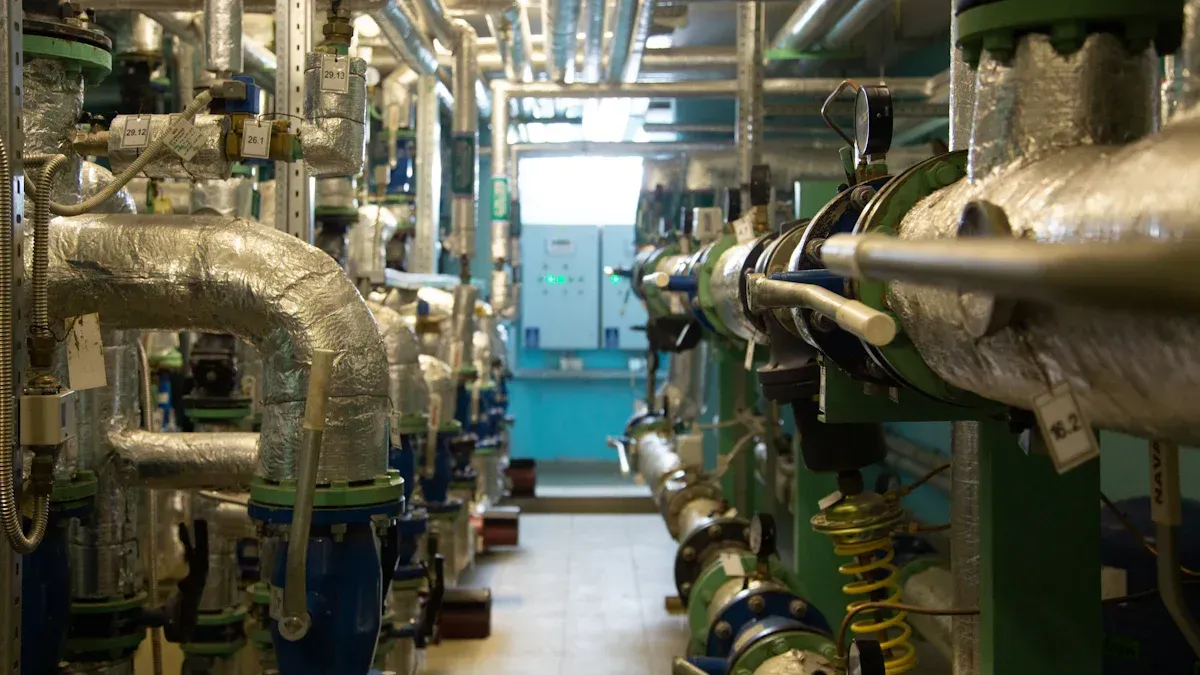
You will find wafer and lug butterfly valves in many industries. Each type fits different jobs and systems. In HVAC systems, wafer butterfly valves help control water flow. You can use them for both cold and hot water. These valves work well because you can automate them easily. This makes them a smart choice for heating and cooling buildings.
Lug butterfly valves play a big role in oil and gas pipelines. You can use them for long pipelines because they cost less than other valve types. They are light, so you can move and install them without much trouble. You can open or close them quickly with a quarter-turn actuator. This helps stop spills fast in emergencies. The simple design means you can fix them easily and keep downtime low.
Here are some common uses for lug butterfly valves in oil and gas pipelines:
-
You save money on long pipelines.
-
You can install and move them easily because they are light.
-
You can act fast in emergencies with quick operation.
-
You spend less time on repairs because of the simple design.
You will also see these valves in water treatment, chemical plants, and marine systems. Each industry picks the valve that fits its needs best.
You have to pick the right butterfly valve for your system. Check the table below to see the main points:
|
Key Consideration |
Wafer-Style Valve |
Lug-Style Valve |
|---|---|---|
|
Pressure Requirements |
Works for low or medium pressure |
Good for high-pressure jobs |
|
Maintenance Access |
You must shut down everything |
You can fix one side at a time |
|
Cost |
Costs less money |
Costs more but saves on repairs |
|
Space Constraints |
Small and light |
Bigger and heavier |
Think about your system before you choose:
-
Where you will put the valve
-
What rules or certifications you need
-
If the valve works with your materials
-
The pressure and temperature the valve can handle
-
How easy it is to fix the valve
TANGGONG VALVE gives you good choices for many jobs. You get safe, high-quality valves and help from experts.
FAQ
What is the main difference between wafer and lug butterfly valves?
A wafer valve goes between two flanges. You use long bolts to hold it in place. A lug valve has threaded inserts. You bolt each flange to the valve. Lug valves let you take off one side of the pipe. You do not have to stop the whole system.
Can you use a wafer butterfly valve for dead-end service?
No, you cannot use a wafer butterfly valve for dead-end service. This valve needs support from both sides to stay in place. If you take off one side, the valve will fall out.
Which industries use butterfly valves the most?
Butterfly valves are used in many places. You see them in water treatment, HVAC, oil and gas, chemical plants, and marine systems. These valves help control flow and shut off pipes in lots of jobs.
How do you choose the right seat material for a butterfly valve?
You need to match the seat material to your fluid and temperature. PTFE is good for chemicals. EPDM works well for water. Metal seats are best for high heat. Always check what your system needs before you pick.
Are TANGGONG VALVE butterfly valves certified for safety?
Yes! TANGGONG VALVE butterfly valves have important certifications. These include API 609, CE, TUV, and ISO 9001:2015. You get safe and reliable valves for your job.