What Is a Control Valve?
A control valve is a power-operated final control element used to modulate process flow, pressure, temperature, or liquid level by varying the size of the flow passage in response to a controlling signal (typically 4–20 mA, 0–10 V, or digital fieldbus). Unlike isolation valves that are either fully open or fully closed, control valves provide continuous throttling control to maintain the desired process variable.
Control valves consist of an actuator (pneumatic diaphragm, pneumatic piston, or electric motor) and a valve body (globe, angle, or rotary). The actuator converts the control signal into stem position, which moves the valve plug or disc to change the flow area. TANGGONG control valves are engineered for precise modulation in refining, petrochemical, power generation, and process industries worldwide.
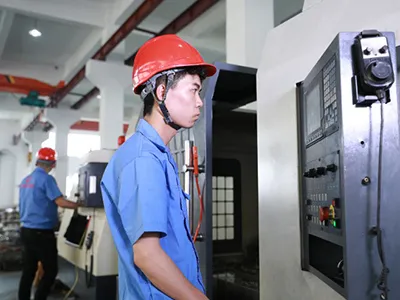
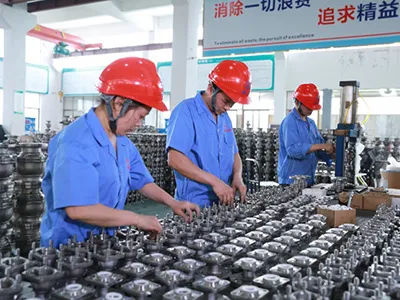
✅ TANGGONG VALVE GROUP has manufactured industrial control valves since 1990 at our facility in Wenzhou, China — "China's Valve Capital." Our control valves are tested to ANSI/FCI 70-2 shutoff standards and comply with IEC 60534 sizing calculations. All valves are factory-calibrated before shipment.