Custom Your Industry Valves

Ammonia Valve Series

What Is an Ammonia Valve?

An ammonia valve is a specialized industrial valve designed for handling ammonia (NH3) in both liquefied and gaseous states. Ammonia is a hazardous, toxic, and flammable gas (UN 1005) that requires valves manufactured from low-temperature materials (LCB/LCC) and ammonia-compatible seals (PTFE, graphite) to ensure safe and reliable operation.

Ammonia valves are essential in fertilizer production, industrial refrigeration systems, chemical processing, and ammonia storage terminals. Liquefied ammonia has a boiling point of -33.34°C at atmospheric pressure, requiring low-temperature rated valve bodies to prevent brittle fracture.

TANGGONG VALVE GROUP has manufactured ammonia valves since 1990 at our facility in Wenzhou, China. All ammonia valves are supplied with LCB/LCC low-temperature bodies (impact tested at -46°C), ammonia-compatible seals, and low-temperature operability certification. CE and TUV certified.

Process Flow Diagram
Strict process create high durability valve accessories
Valve Drawing

Valve Drawing

Valve Molding

Valve Molding

Casting Process

Casting Process

Annealing Process

Annealing Process

Semi-finished blank

Semi-finished blank

Material Inspection

Material Inspection

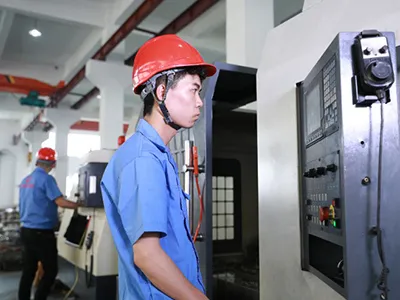
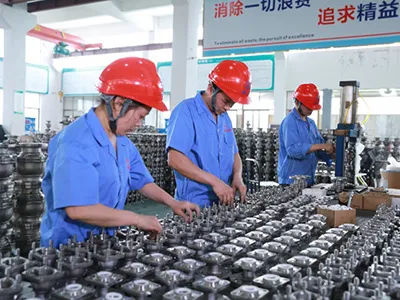
Production & Processing

Production & Processing

Valve Assembly

Valve Assembly

Testing & Pressure Testing

Testing & Pressure Testing

Valve Painting

Valve Painting

Packaging

Packaging

Product Transportation

Product Transportation

Quality Assurance Commitment
We Take Pride in Our High-Quality Work
International Quality Certification
Our valves are strictly designed and manufactured per GB, ANSI, API, JIS, BS, DIN and other global standards.
Support for multiple inspections
Every valve undergoes strict inspection and testing, with all inspection documents provided accordingly.
Reliable Technical Resources
To maintain all certifications and uphold the company’s high standards, all SIO employees receive professional training.

Ammonia Valve Types

🔵 Ammonia Gate Valve

LCB/LCC low-temp body, OS&Y, flexible wedge. For ammonia liquid main pipelines and tank isolation. Bolted bonnet or pressure-seal.

  • Design: API 600, BS 1414
  • Body: LCB / LCC (tested at -46°C)
  • Best for: NH3 liquid main lines, tank isolation
  • Wedge: Flexible or solid
  • Seals: PTFE / graphite

🟠 Ammonia Globe Valve

Threaded or flanged, for ammonia flow regulation in fertilizer production and refrigeration units. Renewable seat for easy maintenance.

  • Design: BS 1873, ASME B16.34
  • Body: LCB / CF8 (SS304)
  • Best for: Flow regulation, throttling
  • Seat: Renewable / integral
  • Ends: Flanged, threaded (NPT)

🟢 Ammonia Check Valve

Swing type with LCB/CF8 body for preventing backflow in ammonia pump discharge lines and compressor outlets. Spring-assisted for fast closure.

  • Design: BS 1868, API 594
  • Body: LCB / CF8 / CF8M
  • Best for: Pump discharge, compressor outlet
  • Type: Swing or lift type
  • Spring: SS316 (NH3-compatible)

Technical Specifications — TANGGONG Ammonia Valve Range

Parameter Specification / Range
Nominal Size (DN) DN15 – DN600 (½" – 24")
Pressure Class Class 150 – Class 2500 (PN10 – PN420)
Temperature Range -46°C to +200°C (LCB/LCC rated to -46°C)
Body Materials LCB, LCC, CF8 (SS304), CF8M (SS316), WCB (above -29°C)
Trim Materials SS304, SS316, Monel 400 (for HF traces), Stellite optional
Seal/Gasket Materials PTFE (standard), Graphite (high-temp), ammonia-resistant elastomers
End Connections Flanged (RF/RTJ), Butt Weld (BW), Threaded (NPT), Socket Weld (SW)
Design Standards API 600, BS 1873, BS 1868, ASME B16.34, ISO 4126 (safety)
Testing Standards API 598, ISO 5208, EN 12266-1, low-temp operability test
Impact Test Charpy V-notch at -46°C for LCB/LCC bodies (MTR provided)
Ammonia Compatibility Seal material immersion test in NH3; degreased and cleaned
Actuation Options Manual handwheel, gear operator, electric actuator (NH3-rated), pneumatic actuator
Certifications CE, TUV, SGS, ISO 9001:2015, third-party inspection available
Origin Wenzhou, Zhejiang, China (17.5万㎡ manufacturing base)

Industry Applications of Ammonia Valves

TANGGONG ammonia valves are deployed in fertilizer plants, refrigeration systems, and chemical facilities worldwide. Our engineering team can advise on optimal valve material selection for ammonia service.

🏭

Fertilizer Production

Ammonia gate, globe, and check valves for ammonia synthesis, urea production, and ammonium nitrate lines. LCB/LCC bodies for liquefied NH3. Compliance with fertilizer plant standards.

❄️

Industrial Refrigeration

Ammonia refrigeration valves for industrial NH3 refrigeration systems (supermarkets, cold storage, ice rinks, process cooling). LCB bodies, ammonia-compatible seals. -46°C rated.

🗄️

Ammonia Storage Terminals

Ammonia gate and check valves for liquefied ammonia storage tanks, terminal loading/unloading arms, and ammonia barge/ship transfer. Safety relief valves for overpressure protection.

⚗️

Chemical Production

Ammonia valves for chemical plants producing ammonia derivatives: nitric acid (HNO3), ammonium sulfate, melamine, caprolactam. CF8/CF8M bodies for corrosive service.

🏗️

Ammonia Pipelines

Ammonia gate and check valves for ammonia pipelines from production plant to storage/distribution. Pressure-seal bonnet for high-pressure ammonia transmission. NACE MR0175 compliant.

🏢

HVAC & Building Cooling

Ammonia valves for large-scale building cooling systems using NH3 refrigerant. Compact globe and check valves for chiller units, cooling towers, and AHU connections.

Why Choose TANGGONG Ammonia Valves?

🏆

35+ Years Ammonia Valve Expertise

Founded 1990 in Wenzhou — China's largest valve production base. Over 50,000 ammonia valves supplied to fertilizer and refrigeration plants worldwide.

🔬

LCB/LCC Low-Temp Certified

Every LCB/LCC valve body is impact-tested at -46°C (Charpy V-notch). MTRs provided. Compliant with ammonia low-temperature service requirements.

📋

Ammonia-Compatible Seals

All soft goods (seals, gaskets) are PTFE or graphite — fully compatible with NH3. No NBR/EPDM that degrades in ammonia service. Immersion test certified.

🌍

Global Export Experience

Exporting to 35+ countries. Experienced with fertilizer plant, refrigeration plant, and ammonia terminal documentation requirements. TUV and CE certified.

🏗️

Full Manufacturing Control

175,000 m² production base. In-house LCB/LCC casting, machining, low-temperature testing, and NH3 leak testing for full quality control.

Fast Delivery

In-stock standard sizes for rapid shipment. Custom LCB/LCC valves 6–10 weeks. Dedicated project manager for fertilizer and refrigeration plant projects.

Frequently Asked Questions — Ammonia Valves

What materials are used for ammonia valves?

Ammonia valves require materials compatible with NH3 (ammonia) and its low-temperature liquid phase (-33°C for liquefied ammonia at atmospheric pressure). TANGGONG manufactures ammonia valves from: (1) LCB/LCC — low-temperature carbon steel for liquefied ammonia service down to -46°C; (2) CF8/CF8M (SS304/SS316) — austenitic stainless steel for corrosive ammonia solutions and gaseous ammonia; (3) WCB — carbon steel for gaseous ammonia above -29°C (with NACE compliance for trace impurities). All soft goods (seals, gaskts) are ammonia-compatible: PTFE, graphite, or specialized ammonia-resistant elastomers.

Why do ammonia valves require low-temperature rated steel (LCB/LCC)?

Liquefied ammonia (NH3) has a boiling point of -33.34°C at atmospheric pressure. When liquefied ammonia expands through a valve or experiences pressure drop, it can cause severe local cooling (Joule-Thomson effect) down to -46°C. Standard carbon steel (WCB) undergoes ductile-to-brittle transition at approximately -29°C, risking catastrophic brittle fracture. LCB (low-temperature carbon steel, impact tested at -46°C) and LCC (low-temperature carbon steel, impact tested at -46°C) maintain ductility and toughness at these temperatures, preventing valve body rupture.

What is the difference between an ammonia valve and a standard industrial valve?

Ammonia valves differ from standard valves in: (1) Body material — LCB/LCC low-temperature steel vs. WCB for standard valves; (2) Soft goods — ammonia-compatible seals (PTFE, graphite) vs. standard NBR/EPDM; (3) Design pressure/temperature — based on NH3 phase diagram (liquefied vs. gas); (4) Cleaning — ammonia valves require degreasing and ammonia-compatibility certification; (5) Testing — additional low-temperature operability test and ammonia leakage test; (6) Seat design — frequently renewable seat for easy maintenance in fertilizer plant service.

Can TANGGONG supply ammonia valves for refrigeration systems?

Yes. TANGGONG manufactures ammonia valves specifically for industrial refrigeration systems using NH3 as refrigerant. These include: (1) Ammonia gate valves for main liquid ammonia lines; (2) Ammonia globe valves for refrigerant flow regulation and expansion control; (3) Ammonia check valves for compressor discharge and pump protection; (4) Ammonia safety relief valves for overpressure protection of receivers and condensers. All refrigeration-grade ammonia valves are supplied with LCB/LCC bodies and ammonia-compatible seals, certified for -46°C service.

What are the testing requirements for ammonia valves?

TANGGONG ammonia valves are tested per: (1) Shell test — 1.5× pressure rating, helium or air soak test; (2) Seat leakage test — ISO 5208 Rate A (bubble-tight) or Rate B; (3) Low-temperature operability test — at -46°C with liquefied ammonia simulant; (4) Ammonia compatibility test — seal/gasket material immersion test in NH3; (5) Fire-safe test (for applicable designs) — API 607; (6) MTR (Material Test Report) — impact test results at -46°C for LCB/LCC. Third-party inspection (TUV, SGS, BV) is available on request.

In addition to ammonia valves, TANGGONG VALVE GROUP manufactures a complete range of industrial valves for all pipeline requirements:

Get an Ammonia Valve Quotation or Technical Consultation

Tell us your ammonia application (fertilizer/refrigeration/storage), temperature, pressure, and size — our valve engineers will recommend the optimal valve type and material (LCB/LCC vs. CF8), with quotation within 24 hours.

✉️ Email: [email protected]📍 Longwan District, Wenzhou, Zhejiang, China🌐 www.tg-valves.com

+86 18157758329

[email protected]

+86 18157758329