



An api butterfly valve helps control how liquids or gases move in big pipes. Many industries use these valves because they meet strict API 609 rules. These rules make sure the valve works well and fits with other machines.
API 609 butterfly valves are made to stop leaks. They use special seat materials to seal tight. They often have fire-safe parts for dangerous places.
|
Valve Category |
Description |
Application |
|---|---|---|
|
Category A |
Wafer and lug-style valves with thinner bodies |
Low-pressure uses |
|
Category B |
Double-flanged and grooved-end valves, strong build |
High-pressure uses |
TANGGONG VALVE is known as a trusted place to get good API butterfly valves.
Key Takeaways
-
API butterfly valves help control how liquids and gases move in pipes. They are important for many businesses. These valves follow strict API 609 rules. This makes them safe and reliable. They also work well with other machines. You can pick lug or wafer types. Lug valves are good for fixing things without stopping the system. Wafer valves are simple to put in. It is important to install and take care of these valves often. This helps them last longer and work better. TANGGONG VALVE sells strong, certified valves. Their valves meet world standards. This keeps people safe and helps the valves work well in tough places.
API Butterfly Valve Overview
What Is an API Butterfly Valve
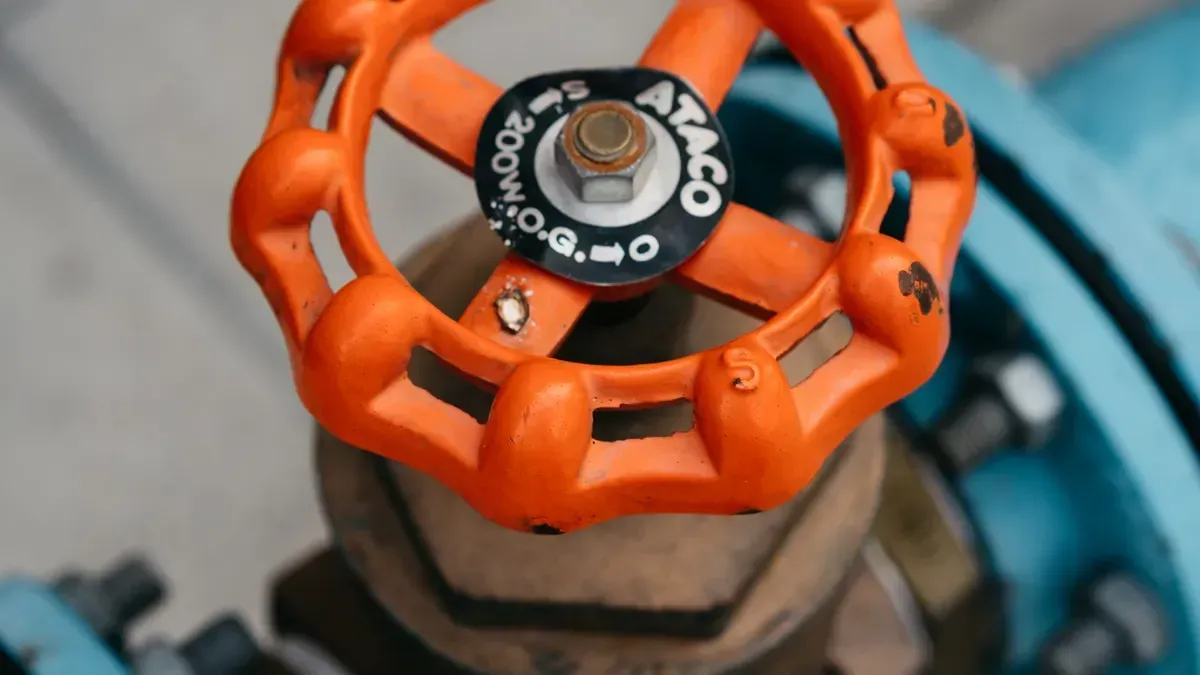
An api butterfly valve helps control liquids or gases in big pipes. The valve has a simple shape. It uses a round disc on a rod in the middle. You turn the handle or actuator to move the disc. The disc turns a quarter turn. When the disc matches the flow, the valve stays open. Fluid moves almost without stopping. If you turn the disc across the pipe, the valve closes. It blocks the flow all the way.
Api butterfly valves are used in many industries. They work well for stopping and controlling flow. The quarter-turn makes them quick and easy to use. You can use them for water, oil, gas, and chemicals. Their design saves space. It also makes installation easy.
API 609 Butterfly Valve Standards
The api 609 butterfly valve standard gives rules for making and testing these valves. These rules help you get a safe and reliable valve. The valve fits well with other equipment. The standard covers materials, how the valve is built, and how it works under pressure.
Here is a table that shows some main rules of the api 609 butterfly valve standard:
|
Requirement Type |
Details |
|---|---|
|
Compliance and Certification |
Must follow rules set by API, like design steps, materials used, and paperwork. |
|
Quality Assurance and Testing |
Includes checking by eye, measuring, sealing and pressure tests, and checking seat strength. |
|
Regulatory Compliance |
Must meet fugitive emissions rules and fire-safe needs. |
|
Purchase Order Specifications |
Should list valve size, class, body style, flow direction, sealing needs, and materials. |
|
Expanded Requirements (2021 Edition) |
Includes butt-weld end connections and other types for new engineering needs. |
When you pick an api butterfly valve, make sure it meets the standard. This helps you know the valve will work well and last long, even in hard places.
TANGGONG VALVE is a top maker of api 609 butterfly valves. The company has many important certifications. These show its focus on quality and safety. Here are some certifications TANGGONG VALVE has:
|
Certification |
Description |
|---|---|
|
ISO9001:2015 |
Quality management systems |
|
CE |
European conformity |
|
TUV |
Technical inspection and safety |
|
SGS |
Quality assurance and certification |
|
API 6D |
Pipeline valves |
|
API 607 |
Fire test for valves |
You can trust TANGGONG VALVE to give you valves that meet strict world standards. The company uses new technology and strong checks to make sure every api butterfly valve is safe and reliable for you.
Key Features of Butterfly Valves
Valve Design and Construction
API butterfly valves are easy to spot because of their smart design. The disc sits in the middle of the pipe. It turns on a shaft. This simple shape makes the valve easy to use. It is also easy to fix. Some valves have double or triple offset designs. These designs help the disc seal tight. They also lower friction when the valve works. The camming action lets the disc move away from the seat. This lowers wear and helps the valve last longer. Triple offset valves use metal-to-metal seals. These seals stop leaks even with high pressure or heat.
The materials used to build the valve change how it works. You can pick from stainless steel, carbon steel, brass, nickel alloys, titanium alloys, or plastics. Each material gives the valve special features. Stainless steel does not rust and works with acids. Carbon steel is strong and costs less. Brass is tough and fights germs. Nickel alloys and titanium alloys work in harsh places. Plastics like PVC and CPVC are strong and clean. The table below shows how these materials fit different jobs:
|
Material Type |
Key Properties |
Applications |
|---|---|---|
|
Stainless Steel |
High strength, toughness, corrosion resistance, suitable for acidic fluids |
Handling corrosive fluids, cryogenic processes, high pressures |
|
Carbon Steel |
Good mechanical properties, cost-effective, not suitable for corrosive fluids |
High-temperature applications, low-temperature environments |
|
Hastelloy |
High strength at elevated temperatures, excellent corrosion resistance |
Handling acids in oil and gas processing, power generation |
|
Brass |
Toughness, durability, antimicrobial properties |
Water purification, wastewater treatment, food and pharmaceutical industries |
|
Nickel Alloys |
Excellent corrosion resistance, high temperatures |
Extremely corrosive conditions |
|
Titanium Alloys |
High strength-to-weight ratio, corrosion resistance |
Seawater environments, water treatment applications |
|
Nickel Aluminum Bronze |
Corrosion resistance, antimicrobial properties |
Offshore piping, water purification, wastewater treatment |
|
PVC |
Durability, corrosion resistance, hygienic |
Food and beverage processing, water supply distribution, irrigation |
|
CPVC |
Higher temperature handling, flexibility |
Cold and hot potable water systems, industrial liquid handling |
|
Polypropylene |
Exceptional strength, durability, UV degradation resistance |
Aquaculture, water and wastewater treatment, chemical manufacturing |
|
GFPP |
Enhanced rigidity and strength |
Heavy-duty applications |
|
PVDF |
Lightweight, exceptional corrosion resistance |
High-purity applications, chemical manufacturing |
|
ABS |
Strength, rigidity, impact resistance |
Valve discs, compatible with various housing materials |
You can pick the right material for your needs. This helps the valve work well and last longer.
Types: Lug and Wafer
There are two main types of API butterfly valves: lug and wafer. Each type has its own features and uses.
-
Lug butterfly valves need you to take apart the pipe for fixing. These valves are good for dead-end service. You can use them to shut off part of the pipe without stopping everything. Lug valves hold pressure when the downstream pipe is gone. This makes them great for end-of-line jobs.
-
Wafer butterfly valves let you fix things without stopping the whole system. You put them between flanges. Wafer valves do not work for dead-end service. You must take apart all flange joints to fix them.
The table below shows how lug and wafer valves are different:
|
Feature |
Lug Butterfly Valve |
Wafer Butterfly Valve |
|---|---|---|
|
Installation Method |
Requires complete disconnection of pipework for maintenance |
Offers greater disconnect and maintenance flexibility |
|
Application |
Suitable for dead-end service, can hold pressure when downstream is disconnected |
Not suitable for dead-end service, requires complete disassembly for maintenance |
|
Use Case |
Ideal for end-of-line applications |
Best for in-line service where the valve is sandwiched between flanges |
You can use lug valves when you need to shut off parts for fixing. These valves keep the system’s pressure safe while you work. You can drain only the part you need. Wafer valves are best for in-line jobs and easy setup.
Operational Benefits
API butterfly valves give you many good things when you use them. The quarter-turn lets you open or close the valve fast. You save time and effort. The small size helps you fit the valve in tight spots. You can set up these valves in different ways, like wafer, lug, double-flanged, and grooved. The light weight makes them easy to carry and install. You spend less money and space.
You will see a low pressure drop when the valve works. The flow path is almost straight, so fluid moves easily. Butterfly valves have much lower pressure drops than globe valves. The table below shows the difference:
|
Parameter |
Butterfly Valve |
Globe Valve |
|---|---|---|
|
Typical Cv (12-inch) |
7,000 – 9,000 |
1,500 – 2,500 |
|
Pressure Drop (fully open) |
Very Low (0.5–2 psi) |
High (5–15 psi) |
|
Flow Path Design |
Near-straight (disc rotates) |
S-shaped (plug & seat) |
You can expect a pressure drop of about 0.3–0.8 bar with a fully open butterfly valve. Globe valves may cause 3–8 bar of pressure drop in the same case. This low pressure drop makes the system work better and saves energy.
Tip: Pick API butterfly valves for fast use, easy setup, and good flow control. These features make butterfly valves a smart choice for many jobs.
Benefits of API 609 Butterfly Valves
Sealing and Corrosion Resistance
Strong sealing keeps your system safe from leaks. API 609 butterfly valves use special sealing methods. They have double eccentric cam designs. They use rubber rings you can replace. Some have welded stainless steel seats. These parts help stop leaks and make fixing easy. Some valves use seals with graphene. These seals work well in hot or cold places. They last a long time. Self-adjusting seals fix themselves as they wear. You do not need to worry about leaks.
|
Feature |
Description |
|---|---|
|
Double Eccentric Cam Design |
Makes the valve seal tight with no leaks. |
|
Replaceable Rubber Sealing Ring |
Lets you fix the valve easily. |
|
Welded Stainless Steel Valve Seat |
Helps the valve last longer. |
Valves also need to fight corrosion. These valves use strong materials. They use duplex stainless steel, super duplex stainless steel, and nickel alloys. These materials stop rust and damage from chemicals and seawater. You can use these valves in chemical plants, oil fields, and marine systems.
Cost-Effectiveness and Efficiency
You save money with these valves. API 609 butterfly valves can lower installation costs by up to 30%. They are light and easy to move. You spend less on labor and tools. These valves last a long time. They need less fixing, so you save on repairs.
These valves also work efficiently. They protect against leaks and control pressure well. You can control flow smoothly. This helps your system run better and use less energy.
|
Feature |
Description |
|---|---|
|
Reliable Leak Protection |
Stops dangerous leaks with tight shutoff and strong seals. |
|
Durable Pressure Containment |
Built to handle high pressure and resist damage. |
|
Smooth Flow Regulation |
Controls flow easily and lowers pressure drops. |
Tip: Pick these valves if you want to save money and make your system work better.
TANGGONG VALVE Quality Assurance
You need a supplier you can trust. TANGGONG VALVE is a leader in quality and new ideas. The company has over 200 patents and important certifications. These include ISO9001:2015, CE, TUV, SGS, API 6D, and API 607. You get valves that meet world safety rules. TANGGONG VALVE uses advanced labs and works with other groups to test every valve. You can trust their valves for tough jobs in oil, gas, marine, and chemical plants.
Note: TANGGONG VALVE cares about quality, new ideas, and customers. You get the best valve solutions for your needs.
Applications and Industries
Oil and Gas Sector
API butterfly valves are used a lot in oil and gas work. They help control and stop liquids and gases in pipes. You can find them in oil refineries and gas plants. Their small size fits well in tight spaces. This is important in refineries. These valves give a bubble-tight shutoff. This keeps dangerous gases like LPG, propane, or ethylene from leaking. You can trust them for safe flow control. They work well in both upstream and downstream systems.
Tip: Pick API butterfly valves for safe and easy flow control in oil and gas pipes.
Other Industrial Uses
API butterfly valves are used in many other industries. They help control flow, handle pressure, and keep things clean. Here is a table that shows where you can use these valves:
|
Industry |
Purpose of API Butterfly Valves |
|---|---|
|
Food Processing |
Controlling flow and keeping things clean |
|
Refining |
Handling different pressures and temperatures |
|
Ship Building |
Managing fluids in ship systems |
|
HVAC Systems |
Controlling air and water flow |
|
Water Treatment |
Moving water and adding chemicals |
|
Chemical Processing |
Safely moving different chemicals |
|
Power Generation |
Controlling steam and other fluids |
You can use these valves in food plants to keep things safe and clean. In ship building, they help move fluids in ship systems. HVAC systems use them to control air and water. Water treatment plants use them for chemicals and water flow. Chemical plants and power stations need these valves for safe and steady flow.
TANGGONG VALVE Solutions
TANGGONG VALVE gives you special solutions for all these uses. The company makes valves for each industry’s needs. You get products that handle high pressure and stop leaks. Their valves also fight rust and last a long time. TANGGONG VALVE gives expert help and many certified products. You can trust their valves for safety and long life. When you want the best for your job, TANGGONG VALVE is a top choice.
Installation, Maintenance & Compliance
Installation Guidelines
You want your API butterfly valve to work well and last long. Start by installing it carefully. Always lift the valve with a spreader bar. This keeps the stem safe. Put the valve between pipeline flanges. Make sure the disc is fully open. Center the valve so it does not leak. Use gaskets on both sides. Make sure gaskets do not block the flow. Put bolts in and tighten them one after another. When you finish, test the valve with water. Check if it works smoothly.
|
Step |
Description |
|---|---|
|
1 |
Lift the valve using a spreader bar so the stem stays safe. |
|
2 |
Put the valve between the pipeline flanges with the disc fully open. |
|
3 |
Make sure the valve is centered between the flanges to stop leaks. |
|
4 |
Place gaskets on both sides of the valve face. Make sure they do not block the flow path. |
|
5 |
Put bolts through the pipeline flanges and tighten them one after another. |
|
6 |
Test the valve after installation with water and check if it works well. |
Avoid mistakes when you install the valve. Make sure flanges line up. Give the disc enough space to move. Use the right gasket. Do not force the valve open or closed. Always test for leaks before using the valve.
Maintenance Best Practices
You can keep your valve working well with regular checks. Look at the valve body, disc, and stem for signs of wear. Lubricate moving parts to stop friction. Clean the valve and flush out any debris. Always follow safety steps like lockout/tagout. Wear protective gear. Train your team to handle valves safely.
How often you check the valve depends on the job. Valves in clean water need yearly checks. Valves in harsh places, like chemical plants, need checks every month. If your valve controls important flows, inspect it before every shutdown.
Tip: Good installation and regular maintenance help your valve last longer and work better.
Ensuring API Compliance
You must follow API rules to keep your system safe. Clean the pipeline before you install the valve. Put the valve in the right position. Test the valve to make sure it opens and closes without problems. Check inside the valve for damage or debris. Use the right sealing materials. Do not overtighten bolts. Align the stem and actuator. Test the valve after installation. Keep the pipeline clean to stop contamination. Inspect and maintain the valve often.
TANGGONG VALVE helps you meet these standards. You get support for installation. You get advice for maintenance. You get quick access to spare parts. Friendly customer service helps you solve problems fast. This support keeps your valves safe, reliable, and API-compliant.
You now know API butterfly valves control flow in pipes. These valves work well with high pressure and heat. They help save energy and need little fixing. TANGGONG VALVE gives strong and reliable valves for many jobs.
|
Feature/Benefit |
Description |
|---|---|
|
High Pressure Handling |
Works in tough conditions |
|
Energy Efficiency |
Saves energy with tight seals |
|
Compact Size |
Easy to install in small spaces |
|
Low Maintenance |
Fewer repairs and downtime |
|
Versatility |
Fits many fluid control systems |
|
Durability |
Lasts under high stress |
To get the best results:
-
Pick the right valve for your fluid and system.
-
Follow the correct steps and use the right bolts.
-
Lubricate and check valves often.
TANGGONG VALVE helps you choose, install, and care for API butterfly valves. This keeps your system safe and working well.
FAQ
What is the main purpose of an API butterfly valve?
You use an API butterfly valve to control the flow of liquids or gases in pipes. The valve opens and closes quickly. It helps you stop leaks and manage pressure.
How do you choose between lug and wafer butterfly valves?
You pick a lug valve when you need to isolate sections for maintenance. You choose a wafer valve for easy installation between flanges. Lug valves handle dead-end service. Wafer valves work best for in-line flow.
Why do API 609 standards matter?
API 609 standards help you get safe, reliable valves. These rules make sure your valve fits with other equipment. You avoid leaks and failures. You protect your system and workers.
How often should you inspect an API butterfly valve?
You check your valve at least once a year for clean water systems. In harsh environments, you inspect every month. Regular checks help you spot wear and prevent leaks.
What industries use API butterfly valves?
You find API butterfly valves in oil and gas, water treatment, chemical plants, and shipbuilding. These valves help you control flow and keep systems safe.