



A wafer ball valve uses a spinning ball to control flow. The ball sits inside a small, wafer-shaped body. When the ball turns, the valve opens or closes fast. This lets liquid or gas pass or stops it. Many industries use these valves for safe shut-off. They also use them for smooth operation.
-
The global ball valves market is worth $14.17 billion in 2024.
-
Experts think the market will reach $22.92 billion by 2034.
-
It will grow at a 4.93% yearly rate.
TANGGONG VALVE uses years of skill and smart design in every wafer ball valve it makes.
Key Takeaways
-
Wafer ball valves are small and light. They work well in tight spaces in many industries.
-
These valves control flow quickly. They use a simple ball mechanism. This lets them open and close fast.
-
Installing wafer ball valves is easy. They fit between pipe flanges. You do not need big flanges or lots of bolts.
-
Regular maintenance and checks help wafer ball valves last longer. They also make the valves work better.
-
Picking a trusted manufacturer like TANGGONG VALVE is important. You get high-quality and reliable products. These products meet strict safety rules.
Wafer Ball Valve Basics
What Is a Wafer Ball Valve
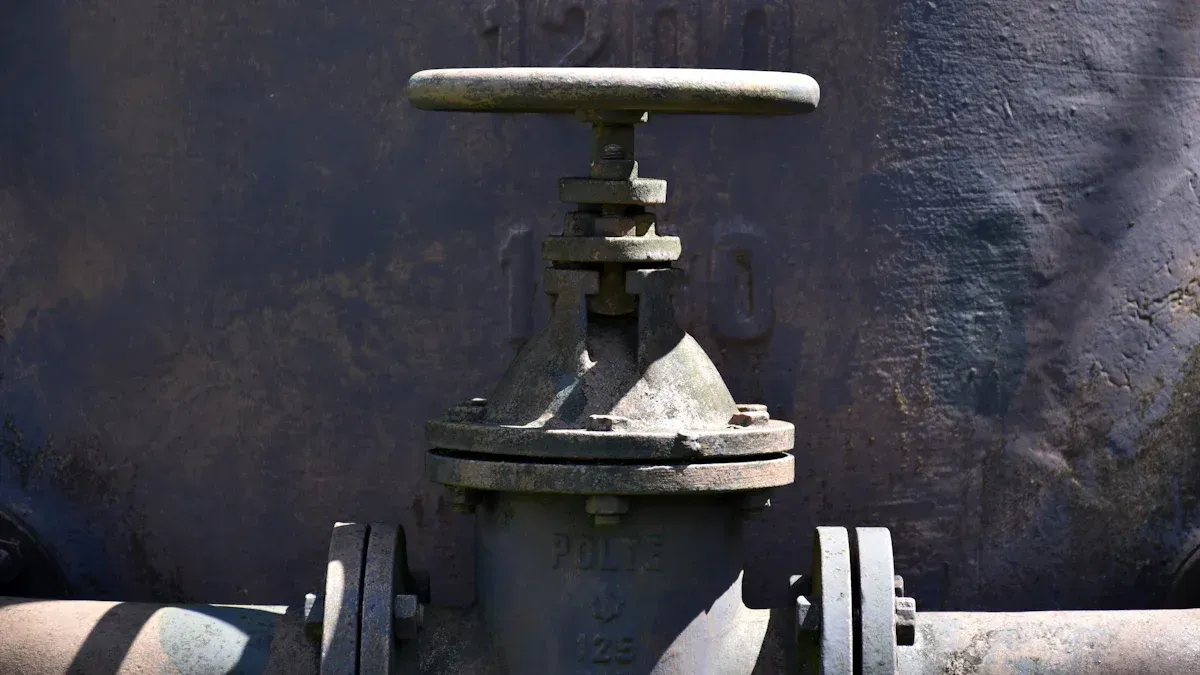
A wafer ball valve helps control how liquids or gases move. It has a round ball with a hole in the middle. The ball turns to let things flow or to stop them. The body is thin and shaped like a wafer. This shape helps it fit in small spaces.
The table below shows how wafer ball valves are different:
|
Characteristic |
Description |
|---|---|
|
Compact Design |
The wafer shape needs little space, so it works in tight spots. |
|
Lightweight |
It does not have flanges or many bolts, so it is lighter. |
|
Easy Installation and Maintenance |
You clamp it between pipes, so it is easy to put in and fix. |
|
Good Sealing Performance |
It uses strong seals to stop leaks. |
Many industries pick wafer ball valves for tight spaces and good shut-off. TANGGONG VALVE is a top maker of these valves. The company has made valves for over 36 years. It is known for making high-quality products. TANGGONG VALVE makes many types of ball valves for oil, gas, power, and ships.
Core Function and Operation
A wafer ball valve starts or stops flow in a pipe. It has a ball with a hole in it. When you turn the handle, the ball spins. If the hole matches the pipe, fluid moves through. If the hole is not lined up, the flow stops.
The way you install a wafer ball valve is special. Here are the main steps:
-
Workers put the valve between two flanges and use bolts. This makes it fast and easy to install.
-
Flanged ball valves need careful lining up and more bolts, so it takes longer.
-
Threaded ball valves must be screwed in, which can be harder.
This simple way saves time and work. It is also easy to fix because you do not need to take apart the whole pipe.
TANGGONG VALVE uses strong materials and checks quality for every valve. Their valves meet world standards and last a long time. People trust TANGGONG VALVE for good products that work well in tough places.
Design Features
Compact Structure
The wafer design is much shorter than a valve with flanges. This means you can add it without changing the pipes.
A wafer ball valve is special because it is small and saves space. The wafer-style body fits right between two pipe flanges. This design does not need big flanges or lots of bolts. The valve is lighter and simple to move. Workers can put it in fast, even if there is not much room. The monoblock build means there are fewer parts, so fixing it is easier.
-
Wafer-style design makes the valve small.
-
Lightweight build means it weighs less.
-
No flanges means it needs less space to install.
The small size is good for pipes that do not have much room. Many places, like ships and power plants, use them when space is tight. The design also helps workers put it in or take it out fast, which saves time when fixing things.
Key Components
A wafer ball valve has many important parts. Each part does a job to help the valve work well and last longer.
|
Component |
Function |
|---|---|
|
Body |
Gives strength and stops leaks. Fits between pipe flanges. |
|
Segment Ball |
Controls flow with a V-shaped notch. It connects to the stem for good control. |
|
Stem |
Moves force from the actuator to the ball segment. It is made to stop blowout. |
|
Seats |
Made of soft or metal for good sealing. They make sure the valve shuts tight. |
|
Seals |
Stop leaks with O-rings and gaskets. They keep the seal strong. |
|
Retainer |
Holds the seat assembly in place. It helps with fixing and changing parts. |
TANGGONG VALVE uses strong materials like stainless steel, duplex steel, and Inconel. These materials do not rust and can handle high pressure. The engineers make each part strong and safe. The valves follow strict world rules, so they are safe and last a long time in hard places.
How a Wafer Ball Valve Works
Ball Mechanism
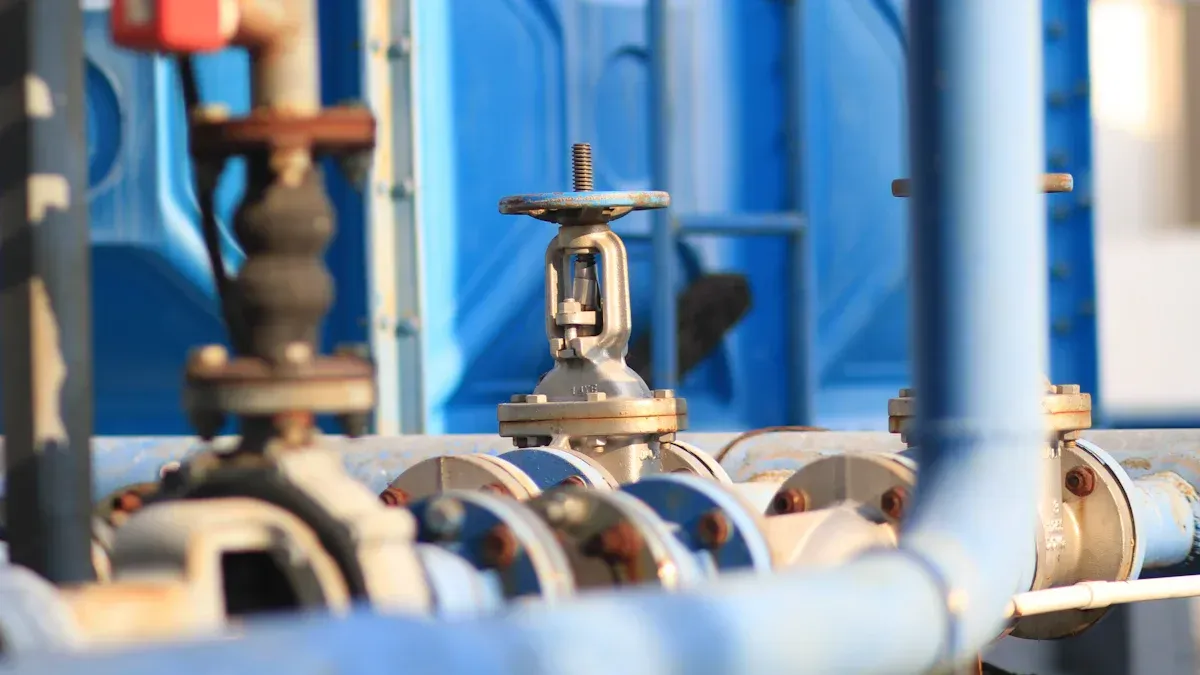
A wafer ball valve uses a simple but effective ball mechanism to control flow. The main part is a round ball with a hole through its center. The ball sits inside the valve body. When someone turns the handle, the ball rotates. This movement lines up the hole with the pipe or turns it away.
-
The ball rotates inside the valve body.
-
When the hole matches the pipe, fluid flows straight through.
-
A 90-degree turn blocks the flow completely.
-
This design allows for quick opening and closing.
-
The ball mechanism works well for fast shut-off needs.
This system gives the wafer ball valve its speed and reliability. The ball’s smooth surface and strong seals help prevent leaks. TANGGONG VALVE uses high-quality materials and careful engineering. Their ball valves keep working even in tough places like oil plants or ships.
Flow Control Process
The flow control process in a wafer ball valve is direct and efficient. When the handle turns, the ball moves to either open or close the passage. This action gives the valve a high flow rate and low resistance. The table below shows how ball valves compare to other types:
|
Valve Type |
Flow Coefficient (Cv) |
Notes |
|---|---|---|
|
Ball Valves |
Higher |
Unobstructed flow path, especially full-port models. |
|
Gate Valves |
Lower |
More resistance due to design. |
A wafer ball valve lets liquids or gases move with little pressure drop. This makes it a good choice for systems that need fast and smooth flow. TANGGONG VALVE’s ball valve series offers strong performance and tight shut-off. The valves meet strict standards and pass many tests before leaving the factory.
Tip: Regular checks and cleaning help keep the valve working well. Filters and proper sizing can prevent problems like debris jamming or water hammer.
TANGGONG VALVE designs its ball valves to handle common issues. Their engineers use strong seals and precise parts. This helps stop leaks, backflow, and noise. The company also tests each valve for wear and alignment. These steps make sure the valves last a long time and work safely in many industries.
Key Benefits
Space and Cost Efficiency
A wafer ball valve is good at saving space and money. Its small and light body fits between pipe flanges easily. This design does not need big flanges or extra bolts. Workers can put the valve in fast, even in tight spots like ships or tall buildings. The simple shape uses fewer materials, so it costs less to make and install.
-
Small and light, great for crowded pipes.
-
No built-in flanges, so bolts from nearby pipes connect it.
-
Saves money by needing fewer parts and materials.
-
Saves space and weight, which matters in small areas.
-
Easy to install, fits between fixed pipe sections.
A wafer type monoblock valve can use half the space of other ball valves. This makes it smart for places where space is tight. The easy way to install also helps stop alignment problems and cuts down on extra parts. Maintenance is simple, so costs stay low over time.
Note: Stainless steel in these valves can be recycled. This helps cut waste and supports green practices in industry.
Performance and Reliability
Performance and reliability are important in every industry. Wafer ball valves seal tightly, so leaks are less likely and systems stay safe. Their design lets them open and close fast, so flow control is quick and accurate. Strong seals and low resistance mean the valve works well for a long time.
|
Feature |
Benefit |
|---|---|
|
Tight Sealing |
Stops leaks and keeps equipment safe |
|
Low Flow Resistance |
Keeps flow rates high |
|
Predictable Maintenance |
Cuts downtime and repair costs |
|
Durable Materials |
Handles high pressure and heat |
TANGGONG VALVE’s ball valves meet strict world standards. Each valve is tested carefully before leaving the factory. The company uses strong materials like stainless steel, duplex steel, and Inconel. These materials fight rust and last for years, even in tough places. TANGGONG VALVE has certifications like ISO 9001:2015, API 6D, and CE, showing they care about quality and safety.
Applications
Industrial Uses
Many industries use wafer ball valves because they fit in small spaces. These valves can handle many kinds of liquids and gases. They help control flow and keep systems safe. Here are some common places where companies use them:
-
Oil and gas plants use them to control oil and gas flow.
-
Chemical factories use them for strong and dangerous liquids.
-
Pharmaceutical companies use them to keep things clean and control flow.
-
Food and beverage plants use them to move ingredients and keep things clean.
-
Water and wastewater plants use them to manage water and keep things working.
-
Power plants use them to control steam and water in machines.
Engineers pick wafer ball valves when space is tight or weight matters. These valves also work well in systems that run all the time but stop for repairs.
Note: Wafer ball valves are best for low and medium pressure. High pressure needs special valves.
The table below shows why engineers like wafer ball valves for some jobs:
|
Key Factor |
Description |
|---|---|
|
Limited Spaces or Densely Packed |
The short design fits in tight spots in many plants. |
|
Projects Sensitive to Material Costs |
Uses less material, so it costs less to buy and put in. |
|
Fluids in Continuous Process Lines |
Good for systems that can stop for repairs without taking out the valve. |
|
Low- and Medium-Pressure Systems |
Works best in these pressure ranges. |
Why Choose TANGGONG VALVE
TANGGONG VALVE is a well-known company in the valve business. The company started in 1990 and now sells valves in over 35 countries. Many engineers trust TANGGONG VALVE because they check quality and use strong materials. Their wafer ball valves meet world rules like ISO 9001:2015 and API 6D.
TANGGONG VALVE has more than 2,200 skilled workers and engineers. They make valves for many uses, like oil, gas, and water treatment. The company has over 200 national patents and tests every valve before sending it out. Customers know they can trust TANGGONG VALVE for safe and long-lasting products.
Tip: Picking a trusted company like TANGGONG VALVE helps keep your plant safe and your systems working well.
A wafer ball valve uses a single-piece body to reduce leak points. This valve fits in tight spaces and handles high pressure. Many industries choose it for lower installation and maintenance costs. The valve needs less service each year and costs less to maintain. It also helps lower emissions and supports recycling.
-
Single-piece body means fewer leaks.
-
Needs 30-50% less space than other valves.
-
Handles up to 3000 PSI for tough jobs.
-
Fewer moving parts mean less upkeep.
-
Lower costs for both installation and service.
TANGGONG VALVE offers reliable solutions for many industries. Their ball valve series meets strict standards and lasts for years.
FAQ
What makes a wafer ball valve different from a flanged ball valve?
A wafer ball valve has a thin body. It fits between pipe flanges easily. Flanged ball valves are bigger and have built-in flanges. Wafer designs help save space and weight.
Can a wafer ball valve handle high temperatures?
TANGGONG VALVE’s wafer ball valves use strong materials. They use stainless steel and Inconel. These materials can handle very hot and cold temperatures. The range depends on the seat and body.
How does a wafer ball valve prevent leaks?
The valve uses tight seals and strong seats. Engineers check each valve for leaks before shipping. The small body and fewer parts help stop leaks.
Where do engineers install wafer ball valves?
Engineers put wafer ball valves in oil plants and chemical factories. They also use them in water systems and ships. These valves work well in tight spaces and low to medium pressure lines.
What certifications do TANGGONG VALVE’s wafer ball valves have?
TANGGONG VALVE’s wafer ball valves have ISO 9001:2015, API 6D, CE, and TUV certifications. These show the valves meet strict safety and quality rules.