



You use a trunnion mounted ball valve to control fluid flow very well. The ball does not move because a shaft called the trunnion holds it in place. When you turn the handle, the ball turns 90 degrees. When the valve is open, fluid moves through a hole in the ball. When the valve is closed, the ball blocks the way. Soft seats push against the ball to make a tight seal. The trunnion ball valve takes in pressure, so it works well in oil and gas, petrochemical, and power plants. TANGGONG VALVE gives strong trunnion mounted ball valve solutions for tough places.
Key Takeaways
-
Trunnion mounted ball valves help control fluid flow well. They use a fixed ball that turns 90 degrees to open or close. These valves work with high pressure and high temperature. This makes them good for oil, gas, and chemical industries. The fixed ball design lowers the force needed to use the valve. This makes it easier and saves energy. Trunnion ball valves seal very well and stop leaks, even with high pressure. This makes them safer and more reliable. You need to pick the right valve for your system. Think about your system's size, pressure, and fluid type. TANGGONG VALVE has many choices to fit your needs.
How Trunnion Mounted Ball Valves Work
Open and Close Mechanism
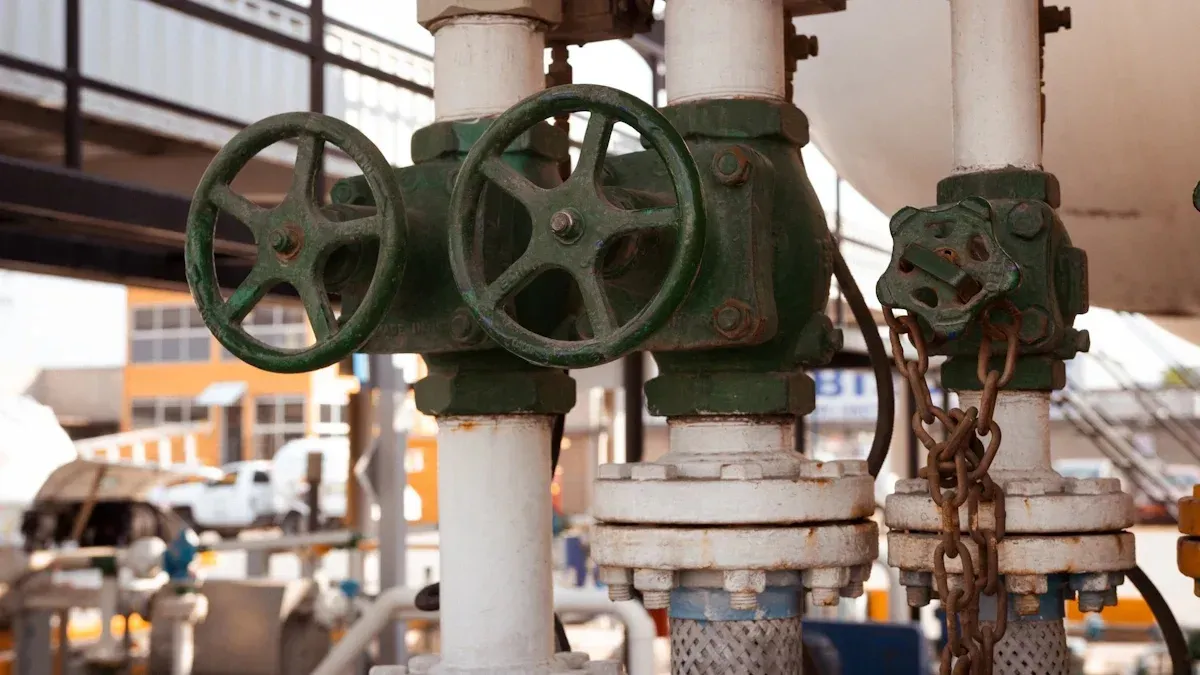
You use a trunnion ball valve by turning the handle. The handle is attached to a stem. The stem makes the ball inside the valve turn. When you turn the handle 90 degrees, the hole in the ball matches the pipe. Fluid can move through the valve easily. If you turn the handle back, the solid part of the ball stops the flow. This way, the valve opens and closes fast and works well.
The ball stays in place because trunnion shafts hold it at both ends. These shafts keep the ball steady so it does not move around. The ball cannot slide or spin out of place. This helps the valve last longer and control flow better. You also need less force to turn the valve, so it is easier to use and saves energy.
TANGGONG VALVE engineers make trunnion mounted ball valves with high quality. You get valves that are tested and made to work well in hard conditions.
Steps in the shut-off cycle:
-
Closed Position: The ball stops fluid from moving.
-
Opening: You turn the handle 90 degrees so the hole lines up with the pipe.
-
Sealing: Seats push against the ball to make a tight seal.
Sealing and Pressure Handling
You trust trunnion mounted ball valves to seal tightly, even when pressure is high. Spring-loaded seats push against the ball when the valve shuts. This keeps leaks from happening. The seats use spring force when pressure is low and line force when pressure is high. The ball is held by trunnion shafts, so the seats do not carry too much weight. This design makes the valve seal well and keeps it working smoothly.
Trunnion ball valves handle the forces on the ball while working. The ball stays in place and matches the seats, so sealing is steady. This makes trunnion mounted ball valves good for jobs with high pressure.
Here is a simple table showing pressure ratings:
|
Valve Type |
Pressure Rating |
|---|---|
|
Trunnion Mounted Ball Valve |
Over 10,000 PSI |
|
Plug Valve |
Less than ball valves |
You pick trunnion ball valves when you need strong shut-off and sealing in oil and gas, petrochemical, and power plants. TANGGONG VALVE gives you valves that meet world standards, so you get safe and reliable performance.
Trunnion Ball Valve vs. Floating Ball Valve
Structural Differences
It is important to know how these two ball valves are not the same. The way each valve is built changes how it works and where you use it. Look at this table to see the main differences:
|
Item |
Floating Ball Valve |
Trunnion Mounted Ball Valve |
|---|---|---|
|
Ball Support |
Ball is supported by seats |
Ball is supported by upper and lower trunnions |
|
Ball Movement |
Ball can move slightly under pressure |
Ball is fixed in position |
|
Sealing Method |
Pressure pushes the ball against the seat |
Spring-loaded or pressure-assisted seats seal against the ball |
|
Common Size Range |
Small to medium sizes |
Medium to large sizes |
|
Pressure Range |
Low to medium pressure |
Medium to high pressure |
|
Operating Torque |
Higher in larger sizes |
Lower and more stable |
|
Cost Level |
Generally more economical |
Higher cost but better for severe service |
|
Typical Application |
General industrial and process service |
Oil and gas pipeline and critical service |
A floating ball valve lets the ball move a little bit. The seats keep the ball in place. When pressure gets higher, the ball pushes against the seat to make a seal. In a trunnion ball valve, the ball stays still between two trunnions. The seats move toward the ball instead of the ball moving. This design gives a steady seal and helps the seats last longer.
TANGGONG VALVE has both floating and trunnion ball valves. You can pick full port, reduced port, or V-port ball valves. Each kind works for oil, gas, water, or chemical systems.
Application and Performance
You choose a floating ball valve or a trunnion ball valve based on your system’s size, pressure, and how much force you want to use. Here are the main points:
-
Floating ball valves are best for low to medium pressure and small to medium sizes, usually up to 6 inches.
-
Trunnion ball valves work well for high pressure and big pipelines, even above 6 inches.
-
You need more force to turn a floating ball valve as pressure goes up. The ball pushes harder against the seat, so you must use more torque.
-
A trunnion ball valve needs less force to turn. The trunnions take the pressure, so the torque stays low and steady. This makes it easier to use, even with machines.
Here is a table to help you compare:
|
Feature |
Floating Ball Valve |
Trunnion Ball Valve |
|---|---|---|
|
Pressure Capability |
Moderate to high |
High pressure applications |
|
Valve Size |
Small to medium |
Medium to large |
|
Operating Torque |
Higher as pressure increases |
Lower and more consistent |
You should also think about cost over time. A floating ball valve costs less at first. Over ten years, you might spend more on fixing or replacing it, especially if you use it for tough jobs. A trunnion ball valve costs more at the start, but it lasts longer and needs less fixing. You save money in the long run, especially in high-pressure or busy systems.
TANGGONG VALVE gives you many choices. You can find floating ball valves for regular jobs and trunnion ball valves for pipelines, refineries, and power plants. The ball valve series includes full port, reduced port, and V-port designs. You get valves that meet world standards and work well in many industries.
Tip: If you need a valve for high pressure, big size, or important jobs, you should pick a trunnion mounted ball valve. For smaller, easier jobs, a floating ball valve may be good enough.
Key Components and Materials
Ball, Trunnion, and Seats
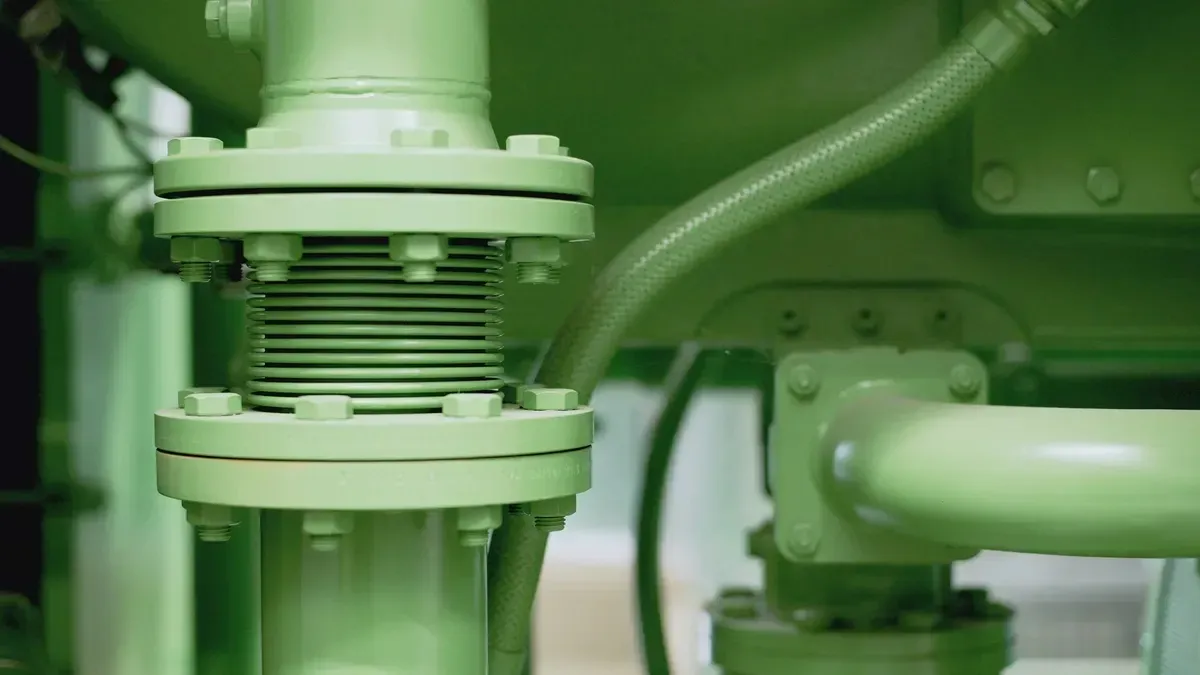
A trunnion ball valve has a few main parts inside. The ball is in the middle and controls how fluid moves. Trunnion shafts keep the ball steady so it does not shift. Seats push on the ball to make a tight seal. Each part is made from strong materials for hard work.
Here is a table that lists the main parts and their materials:
|
Component |
Material Used |
|---|---|
|
Ball |
Steel |
|
Seats |
Polymers (PTFE) or metals |
|
Gaskets |
High-quality gaskets |
|
Body |
Steel or other alloys |
You pick seat materials based on what you need. Some common seat materials are:
-
PEEK: Handles high heat and chemicals. Works well in tough places.
-
Viton: Good for most uses. Fits many flow control jobs.
-
FFKM: Stands up to strong chemicals and heat. Used for very hard jobs.
Body and End Connections
The valve body protects all the inside parts. It is strong and lets you reach the stem and ball for repairs. End connections help you put the valve into your system. You can choose from these types:
-
Flange
-
Butt welding
-
Socket welding
A trunnion ball valve has features like Double Block & Bleed, Fire Safe Design, and Emergency Sealant Injection. You can get sizes from 2 to 30 inches and pressure classes up to ANSI 1500LB. These valves meet safety rules like NACE MR0175 and have ISO mounting pads.
Material Options in TANGGONG VALVE Ball Valve Series
You pick materials that fit your job best. TANGGONG VALVE gives you lots of choices. Here is a table that shows material options and how they work:
|
Material |
Corrosion Resistance |
Wear Resistance |
Contamination Risk |
Relative Cost |
Typical Applications |
|---|---|---|---|---|---|
|
Stainless steel balls |
High |
High |
Low |
$$ |
Chemical, food processing |
|
Coated balls (chrome, nickel, polymer) |
Variable |
Moderate |
Medium |
$$ |
Low-friction applications |
|
PFA-fused |
Very High |
Very High |
Very Low |
$$$ |
Buildup-prone, sanitary, corrosive |
You get strong valves that last a long time. You can count on TANGGONG VALVE to give you the right materials for your trunnion ball valve.
Applications and Advantages
Industrial Uses
Trunnion ball valves are used in many industries. They help control fluids in oil and gas, chemical plants, water treatment, and power plants. You use them for isolation and emergency shut-off in pipelines. They are also used for pigging. These valves help in food processing and plumbing too. Look at the table to see where these valves are used and what they do:
|
Industry |
Applications |
|---|---|
|
Oil & Gas |
Isolation, pigging, emergency shut-off in drilling, production, pipelines, refineries |
|
Chemical Processing |
Handles chemicals with corrosion-resistant materials and tight sealing |
|
Water & Wastewater Treatment |
Controls flow of fluids, slurries, chemicals in treatment processes |
|
Power Generation |
Fuel lines, cooling water systems, utility services |
|
Food & Beverage |
Sanitary valves prevent contamination in food processing |
|
Plumbing & General Utility |
Water supply, drain lines in commercial buildings |
|
Pneumatic & Hydraulic Systems |
Controls flow of compressed air or hydraulic fluid |
Trunnion ball valves are good for high pressure jobs. They work well in big systems and tough places. These valves help keep your equipment safe.
Benefits of Trunnion Mounted Ball Valves
Trunnion ball valves give you many benefits:
-
They handle high pressure and high temperature jobs.
-
You get great sealing, so leaks do not happen.
-
The design lets you use the valve safely with full pressure.
-
The ball stays in place, so sealing stays strong.
-
You can use these valves for many kinds of fluids.
You see better safety and efficiency in oil and gas plants. Fixed shafts keep the ball from moving and spread out the force. This makes the valve stable when pressure is high. Bubble-tight shut-off stops leaks.
Why Choose TANGGONG VALVE Ball Valve Series
You pick TANGGONG VALVE for reliable trunnion ball valves. These valves meet world standards like API 6D, CE, and ISO 9001:2015. You get valves that last a long time and need little fixing. In petrochemical plants, you wait 12 to 24 months before fixing them. You save up to 75% on maintenance costs. You also get strong sealing and safe use in high pressure jobs.
Tip: TANGGONG VALVE is a good choice for pipelines, refineries, power plants, and other hard jobs.
Now you understand how these valves work and why they are important. Trunnion ball valves are strong and give good control. They need less force to turn. Here are some main features and benefits:
|
Feature/Benefit |
Description |
|---|---|
|
Enhanced stability |
Ball stays fixed for better performance |
|
Reduced torque |
Easier to operate, saves energy |
|
Double block and bleed |
Improves safety and maintenance |
|
Firesafe design |
Works in extreme temperatures |
Floating ball valves are good for jobs with low or medium pressure. Trunnion ball valves are best for high pressure and big systems. You see them in oil, gas, and chemical plants. When you pick a valve, think about your fluid, pressure, temperature, and space. TANGGONG VALVE can help you choose the right valve for your job.
FAQ
What is the main advantage of a trunnion mounted ball valve?
You get lower operating torque and better sealing at high pressure. The ball stays fixed, so the valve works smoothly and lasts longer.
How do you choose the right seat material?
You look at your fluid type, temperature, and pressure. For chemicals, pick PTFE or PEEK. For high heat, use metal seats. TANGGONG VALVE helps you select the best option.
Can you automate a trunnion mounted ball valve?
Yes! You can add electric, pneumatic, or hydraulic actuators. This lets you open or close the valve with a control system.
What certifications do TANGGONG trunnion ball valves have?
TANGGONG trunnion ball valves meet API 6D, CE, ISO 9001:2015, and other global standards. You get reliable and safe products for your projects.