



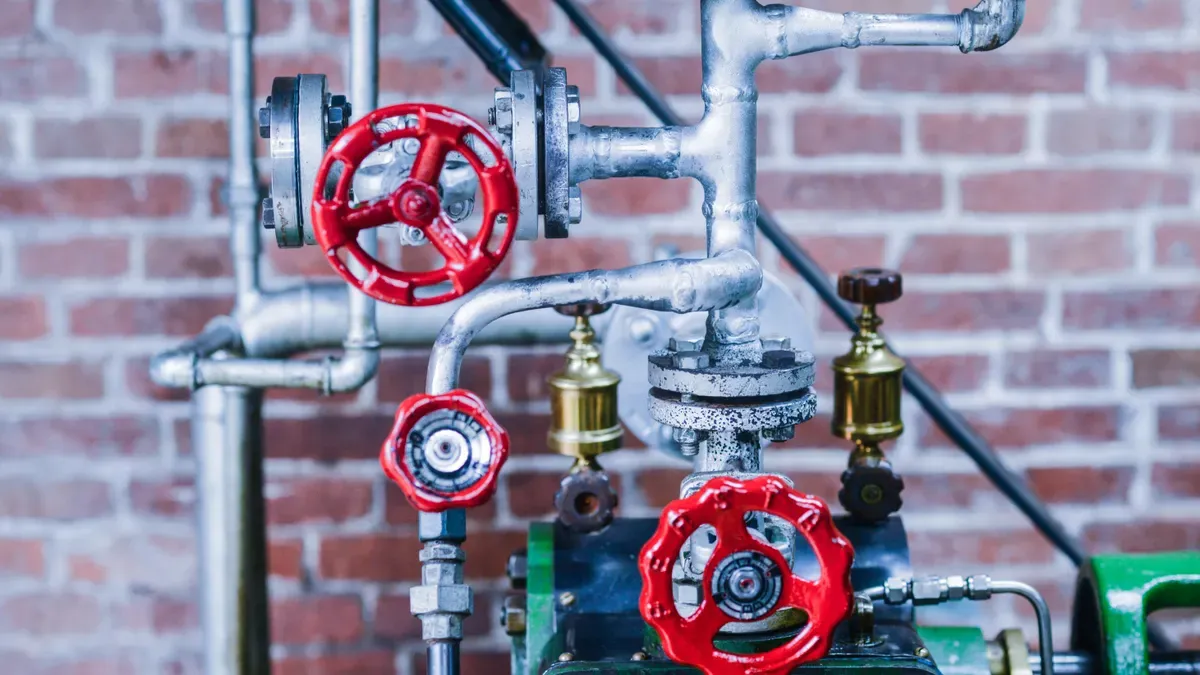
A stainless steel ball valve helps you control liquid or gas flow. You turn it a quarter way to open or close it. The ball inside spins to let things pass or stop them. Stainless steel makes the valve strong and long-lasting. These valves are used in many industries. Stainless steel does not rust, works in hot or cold places, lasts a long time, and stays strong under pressure.
-
The global ball valve market is growing quickly. It may reach USD 15.0 billion by 2035.
-
Stainless steel is picked because it does not rust, can handle heat or cold, lasts long, and stays strong.
TANGGONG VALVE is a top company. They make reliable valves for tough places.
Key Takeaways
-
Stainless steel ball valves help control how liquids and gases move. They use a simple quarter-turn to open or close. This makes them fast and easy to use. These valves do not rust or corrode easily. They last a long time even in tough places. They work well when the pressure is high. Stainless steel ball valves can be used in many ways. They are found in chemical plants, oil and gas fields, and food factories. Picking the right ball valve means you need to think about a few things. You should check the pressure, the kind of fluid, and how it connects. This helps the valve work its best. It is important to take care of your ball valve. You should clean it and check the seals often. This keeps the valve safe and working well.
What is a Stainless Steel Ball Valve
Definition and Function
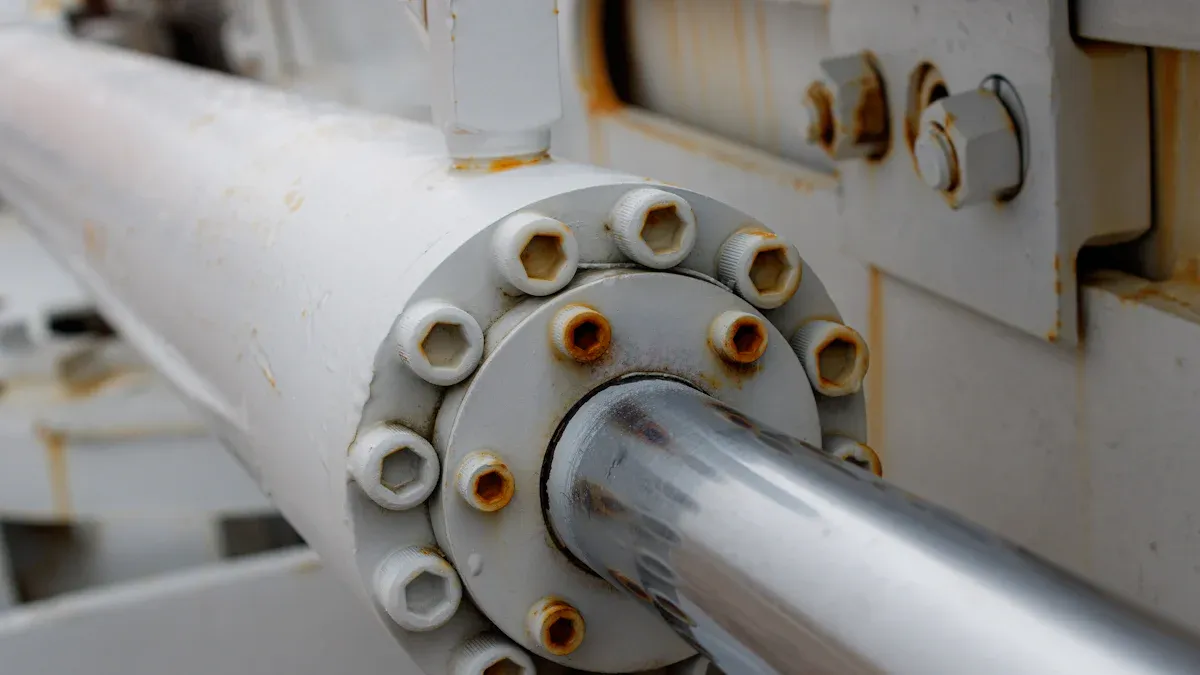
A stainless steel ball valve helps control how liquids or gases move in a pipe. Inside, there is a round ball with a hole in it. When you turn the handle, the ball turns too. If the hole matches up with the pipe, things can flow through. If you turn the handle a little, the ball blocks the flow. This makes it easy to start or stop the flow fast.
Stainless steel keeps the valve strong and stops it from rusting. You can use it where there is high pressure or very hot or cold temperatures. It also works well with strong chemicals. Grade 316 stainless steel can handle acids, seawater, and other harsh liquids. This means the valve lasts longer and does not need much fixing compared to other valves.
TANGGONG VALVE is a leader in making these valves. They use good methods and check quality carefully. You can count on their ball valves for hard jobs in tough places.
There are many good things about using a stainless steel ball valve:
-
Handles high pressure and heat
-
Does not rust or wear out, even with strong chemicals
-
Shuts off quickly and controls flow well
-
Lasts a long time and needs little fixing
Key Applications
Stainless steel ball valves are used in many fields. They help control flow where safety and trust are important. Here are some ways they are used:
|
Industry |
Specific Applications |
|---|---|
|
Chemical Processing |
Controls how chemicals move |
|
Oil and Gas |
Helps move oil and gas safely |
|
Water Treatment |
Manages water flow and cleaning |
|
Food and Beverage |
Controls flow in food and drink making |
You might see these valves in chemical plants, oil places, water cleaning centers, and food factories. In all these places, the ball valve helps move liquids safely and easily. TANGGONG VALVE gives ball valves to all these fields and meets high standards for quality and how well they work.
How a Stainless Steel Ball Valve Works
Operation Principle
You control a stainless steel ball valve by turning the handle. The handle connects to the stem, which moves the ball inside the valve. The ball has a hole through its center. When you rotate the handle, the ball turns. If the hole lines up with the pipe, fluid flows through easily. If you turn the handle 90 degrees, the ball blocks the pipe and stops the flow.
-
The valve uses controlled rotational motion to manage flow.
-
The stem transmits torque to the ball, letting you rotate it.
-
When fully open, the bore matches the pipeline axis, so fluid moves with little resistance.
-
When closed, the ball turns 90 degrees and seals against the seat, stopping flow.
You can open or close the valve quickly. The quarter-turn valve design makes this possible. You only need to turn the handle a short distance to change the flow. This simple action helps you react fast in situations where you need to start or stop flow right away.
Flow Control Mechanism
The quarter turn shut-off valve works with a fast and reliable on/off mechanism. You rotate the handle just 90 degrees to open or close the valve. This quick movement is important in places like petrochemical plants, where you must isolate flow instantly. The ball valve lets you respond quickly to changes in your system.
The quarter-turn mechanism gives you instant control. You can open the valve for full flow or close it for a tight seal. This design makes the valve dependable in many industries. You find ball valves in oil and gas pipelines, water treatment plants, and chemical factories. They handle high pressure and tough conditions.
Stainless steel ball valves resist corrosion because they contain chromium and nickel. You see grades like 304 and 316 used often. Grade 316 works well with harsh chemicals and seawater. These valves manage chlorinated water in pools, handle chemicals in factories, and process fluids in breweries.
Tip: You can use ball valves for both liquids and gases. The quick action and tight seal make them a smart choice for many jobs.
|
Feature |
Benefit |
|---|---|
|
Quarter-turn operation |
Fast open/close |
|
Tight sealing |
Prevents leaks |
|
Stainless steel body |
Resists rust and corrosion |
|
Wide application |
Works in many industries |
You get reliable performance and easy control with a stainless steel ball valve. The quarter-turn design helps you manage flow quickly and safely.
Ball Valve Components
Ball and Bore
You find the ball and bore at the heart of every ball valve. The ball is a round sphere with a hole, called the bore, running through it. When you turn the handle, the ball rotates, lining up the bore with the pipe. This lets fluid pass through. A full bore design allows unrestricted flow and reduces pressure loss. You get quick action with a 90-degree turn, making it easy to open or close the valve fast. The ball presses against soft seats, often made of PTFE, which gives you excellent bubble-tight shut-off and minimizes leakage.
-
Full bore design enables maximum flow.
-
Soft seats enhance sealing performance.
-
Quick action allows rapid control.
Body and End Connections
The body holds all the parts together and protects them. Stainless steel is the most common material for the body because it resists rust and lasts a long time. TANGGONG VALVE offers bodies made from different grades of stainless steel. You can see the differences in the table below:
|
Type of Stainless Steel |
Chromium Content |
Nickel Content |
Molybdenum Content |
|---|---|---|---|
|
304 |
18% |
8% |
N/A |
|
316 |
16% |
10% |
2% |
End connections let you attach the valve to pipes. You can choose from flanged, welded, or threaded ends, depending on your needs.
Seats and Seals
Seats and seals play a big role in how well the ball valve works. PTFE is a popular seat material because it resists chemicals and keeps a good seal even under extreme temperatures. The right seat and seal materials help the valve handle corrosive fluids and high heat. If you pick the wrong materials, you risk surface damage and valve failure. TANGGONG VALVE gives you options like PTFE, RPTFE, Nylon, and PEEK for seats, so you can match the valve to your application.
Tip: Always check the compatibility of seat and seal materials with the fluid you plan to control.
Handle and Actuation
You use the handle to turn the ball and control the flow. Manual handles are simple and easy to use. For automated systems, you can add electric, pneumatic, or hydraulic actuators. TANGGONG VALVE offers direct mounting pads for actuators, which help you align them perfectly and improve automation. You can choose double acting or spring return actuators for more control in severe service applications.
Automation options make ball valves ideal for systems that need fast and reliable operation.
Types of Ball Valves
When you pick a ball valve, you should know the main types. Each type is good for certain jobs and has special features.
Floating Ball Valve
A floating ball valve has a ball that can move a little inside the valve. When you turn the handle, fluid pressure pushes the ball to seal tight. This design is simple and works best for low or medium pressure. You often see floating ball valves in water plants, chemical factories, and normal pipelines.
Here is a table to help you see the differences between floating and trunnion ball valves:
|
Feature |
Floating Ball Valves |
Trunnion Ball Valves |
|---|---|---|
|
Sealing Principle |
Ball moves to seal with pressure |
Ball stays fixed, seats move |
|
Structure |
Simple |
More complex |
|
Best Pressure Range |
Low to medium |
High pressure |
|
Operating Torque |
Higher in large sizes or high pressure |
Lower, easier to operate |
|
Cost |
Lower |
Higher |
Tip: Use a floating ball valve for small pipes and normal pressure jobs.
Trunnion Ball Valve
A trunnion ball valve has a ball that does not move. The seats move to make a seal. This design is best for high pressure and big pipelines. You find trunnion ball valves in oil and gas lines, LNG plants, and pump stations. They last longer and are easier to turn.
Trunnion ball valves give you these good points: 1. Easy to turn with less force 2. Great for high pressure 3. Good for big valves 4. Seats do not wear out fast 5. Lasts a long time in hard jobs
Pick a trunnion ball valve when safety and strong performance are very important.
One-Piece, Two-Piece, Three-Piece Designs
Ball valves come in different body styles. Each style changes how you fix or replace the valve.
|
Valve Type |
Upfront Cost |
Maintenance Ease |
Replacement Difficulty |
|---|---|---|---|
|
One-Piece |
Lowest |
Non-repairable |
Hard (must remove all) |
|
Two-Piece |
Moderate |
Moderate |
Medium (remove whole valve) |
|
Three-Piece |
Highest |
Easy (fix in-line) |
Easy (no need to remove) |
-
One-piece ball valves cost the least but you cannot fix them. If they break, you must change the whole valve.
-
Two-piece ball valves can be taken apart, but you still have to remove them from the pipe.
-
Three-piece ball valves are easy to fix. You can change seals or seats without taking the valve off the pipe. This saves time and money later.
Note: TANGGONG VALVE has all these styles for your needs, from simple water pipes to big chemical plants.
TANGGONG VALVE Certifications and Standards
TANGGONG VALVE makes sure every ball valve meets top world standards. You can trust their products for safety and quality.
|
Standard |
What It Means |
|---|---|
|
API 6D |
Pipeline valves for oil, gas, and transmission |
|
ISO 17292 |
Metal ball valves for industrial service |
|
ASME B16.34 |
Pressure and material ratings for industrial valves |
|
ISO 5211 |
Actuator mounting compatibility |
|
API 607 |
Fire-safe design for hydrocarbon service |
You get good performance and peace of mind when you pick TANGGONG VALVE for your fluid control jobs.
Benefits of Stainless Steel Ball Valves
Performance and Reliability
Stainless steel ball valves work well and are easy to use. You can open or close them fast to control flow. They seal tightly, so leaks do not happen. This keeps your system safe. TANGGONG VALVE makes valves that last a long time. You can use them many times without problems. These valves work the same way every time.
Here is a table that shows how well they perform:
|
Metric |
Value |
|---|---|
|
Leak Detection Accuracy |
Finds leaks with high precision |
|
Cycle Life |
Over 100,000 cycles for PTFE seats, over 250,000 for PEEK seats |
|
Response Time |
Detects leaks quickly |
|
Reliability |
Works well every time |
|
Durability |
Lasts long in tough places |
People use these valves when they need quick and steady results.
Durability and Safety
You need a valve that can handle hard jobs. Stainless steel does not rust or break easily. This means the valve works well in rough places. TANGGONG VALVE adds safety parts to protect your system. Some valves keep working even if there is a fire. Metal-to-metal sealing works both ways and keeps things safe in tough jobs.
|
Safety Feature |
Description |
|---|---|
|
Fire-safe all-metal structure |
Keeps sealing and working if there is a fire |
|
Bi-directional metal-to-metal sealing |
Seals well in both directions for hard jobs |
You can count on these valves to keep your work safe and running.
Industry Certifications
Valves must meet strict rules. TANGGONG VALVE ball valves have top world certifications like API 6D, ISO 17292, and API 607. These show the valves are safe and high quality for many jobs.
Certifications are important papers. They show the product is safe and meets rules for many industries.
-
Meeting world standards makes people think the product is better.
-
It helps people trust the company and the valves.
-
It lets the valves be used in jobs that need strict safety and quality.
You can feel sure your valve is safe and meets the best standards.
Stainless steel ball valves shut off flow quickly. They seal tightly and last a long time. These valves work well with high pressure and strong chemicals. TANGGONG VALVE makes valves you can trust. Their products meet strict rules for safety and quality. When picking a valve, look at how much pressure it can handle. Think about how the flow moves through the valve. Check what kind of pipe connection you need. Decide if you want to turn the handle or use a machine. Make sure the sealing material fits your job.
Ask experts for help and follow tips for installing and caring for your valves. This keeps your system safe and working well.
|
Challenge |
Solution |
|---|---|
|
Clogging |
Use filters and clean the valve often. |
|
Sticking |
Add oil to parts and pick grades that resist rust. |
|
Leakage |
Check seals and change packing if it is worn. |
FAQ
What makes stainless steel ball valves better than other types?
You get strong resistance to rust and chemicals. Stainless steel lasts longer and works well in tough places. You can use these valves for high pressure and extreme temperatures.
How do you choose the right ball valve for your job?
You check the pipe size, pressure, and fluid type. You pick the right seat material and decide if you need manual or automatic control. TANGGONG VALVE offers help for selection.
Can you use stainless steel ball valves for both liquids and gases?
Yes, you can. Stainless steel ball valves handle water, oil, gas, and chemicals. You get tight sealing and quick shut-off for many types of fluids.
How often should you maintain your ball valve?
You should check your valve every few months. Clean the valve and inspect the seals. Replace worn parts to keep your system safe and working well.
What certifications do TANGGONG VALVE ball valves have?
|
Certification |
Purpose |
|---|---|
|
API 6D |
Pipeline safety |
|
ISO 9001:2015 |
Quality management |
|
CE |
European safety standard |
You can trust TANGGONG VALVE for certified and reliable products.