



A signal butterfly valve lets you control fluid flow. It also helps you watch how the fluid moves in a system. This valve has a position feedback device. The device sends an electrical signal. The signal shows if the valve is open or closed. TANGGONG VALVE is a trusted company. They make butterfly valves. Their solutions help the valve work well. Signal feedback gives you more safety. It also gives you better control. You can see this valve in many places, like:
-
Fire protection systems use it for emergency water supply.
-
Drainage and water treatment use it for remote management.
-
HVAC uses it for accurate temperature control.
- Industrial automation uses it for smooth process function.
Key Takeaways
-
A signal butterfly valve controls how fluids move. It also shows its position right away. This helps keep things safe and efficient.
-
Pick the best actuator type for your system. Electric actuators are good for accuracy. Pneumatic actuators work fast. Hydraulic actuators handle tough jobs.
-
Doing regular maintenance is important. Using strong materials like stainless steel helps the valve last longer. A signal butterfly valve can last 10 to 30 years.
-
TANGGONG VALVE has many butterfly valves to choose from. Their valves meet international safety rules. This makes them reliable for different uses.
-
It is important to pick the right valve size and type. Choose based on what your system needs. This helps the valve work well and last longer.
Signal Butterfly Valve Basics
What Is a Signal Butterfly Valve
A signal butterfly valve helps control and watch fluid in pipes. This valve is special because it sends a signal to a main system. You do not need to look at the valve to know if it is open or closed. The signal butterfly valve lets you use machines to control things and keeps people safe. You get updates right away, so you can act fast if something changes.
The main parts of a signal butterfly valve are:
-
Valve Body
-
Valve Disc
-
Valve Stem
-
Valve Seat
All butterfly valves have these parts. The signal butterfly valve has extra pieces that send signals. You can check the valve’s position and change it with machines. This makes the valve good for places where you need quick action and remote control.
There are some ways a signal butterfly valve is different from a regular butterfly valve:
-
The signal butterfly valve has parts that send signals to a main system.
-
You can see what the valve is doing right away.
-
The valve can change how open it is by itself if it gets a signal or if something inside changes.
You often see signal butterfly valves in fire safety, water cleaning, and factories. The electric signal butterfly valve uses a motor to move the disc. This gives you exact control and fast updates.
The materials used in signal butterfly valves help them last longer and work better. Here is a table showing common materials:
|
Component |
Material |
|---|---|
|
Body |
ASTM A536 65-45-12 Ductile Iron |
|
Disc |
ASTM A351 gr. CF8M (Stainless Steel) |
|
Seat |
EPDM (Standard), BUNA-N, FKM |
|
Shaft |
T431SS |
You can pick different materials for your needs. Stainless steel and ductile iron make the valve strong and stop rust.
You should also know about actuators. Actuators help open and close the valve with machines. Here is a table showing common actuator types:
|
Actuator Type |
Description |
|---|---|
|
Electric |
Uses a motor to move the valve stem, so you can control the valve exactly. |
|
Pneumatic |
Uses air to move the valve, so it opens and closes fast. |
|
Hydraulic |
Uses oil to move a piston, so it can control the valve well. |
You choose the actuator type based on how you want to control the valve. Electric actuators are very exact. Pneumatic actuators are fast. Hydraulic actuators are good for heavy jobs.
A signal butterfly valve in a factory can last 10 to 30 years. You can make it last longer by using good materials and taking care of it. The valve lasts longer if you use stainless steel or cast iron and keep it clean.
TANGGONG VALVE’s Butterfly Valve Overview
TANGGONG VALVE makes butterfly valves you can trust. The company has been working for over 36 years. Their products are known for being good and working well. TANGGONG VALVE has many types of butterfly valves for different jobs. You can find valves for water, chemicals, HVAC, and fire safety.
TANGGONG VALVE makes butterfly valves in many shapes and materials. You can pick wafer, lug, flanged, double offset, or triple offset types. The seats can be PTFE, RTFE, EPDM, or metal-to-metal. You can choose manual, electric, pneumatic, or hydraulic actuators.
These valves are light and easy to put in. They save space and money. The valves are safe in fires and do not leak. TANGGONG VALVE checks every valve to meet rules like API 609, CE, and ISO 9001:2015.
You can get butterfly valves in sizes from DN40 to DN3000 and pressure classes from Class 150 to Class 600. The valves work in temperatures from -196°C to 650°C. You can get valves made from WCB, CF8, CF8M, ductile iron, duplex stainless steel, and alloy steel.
You see TANGGONG VALVE’s butterfly valves in oil, gas, chemicals, ships, and energy. The company has over 200 national patents and sends valves to more than 35 countries. You get fast shipping and solutions made just for you.
Tip: You can go to TANGGONG VALVE’s website to see their butterfly valves and find the best one for your project.
How a Signal Butterfly Valve Works
Operation Mechanism
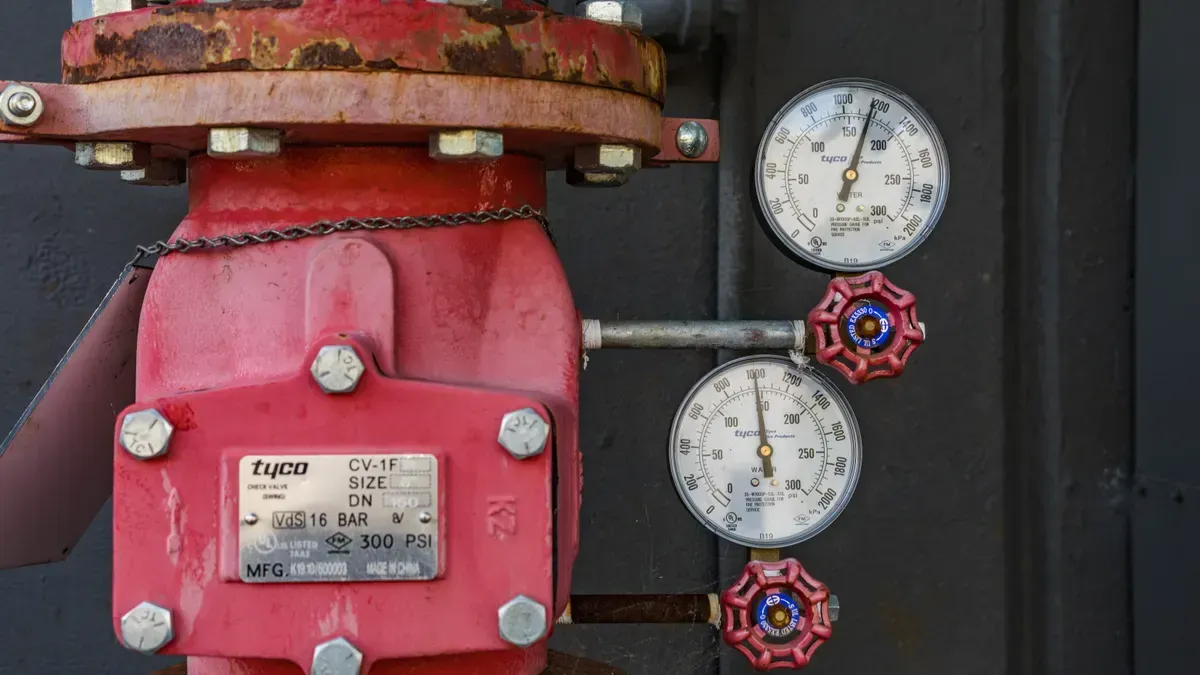
A signal butterfly valve helps you control fluid in pipes. The disc inside the valve turns to block or let fluid pass. If the disc stands straight across the pipe, fluid stops. If the disc lines up with the pipe, fluid flows through. This simple way to control fluid is used in many places.
The valve uses a feedback device to show its position. A micro switch sits inside and sends an electrical signal. The signal tells you if the valve is open, closed, or partly open. You do not need to look at the valve yourself. You can check the valve from far away, like a control room.
Here is how the mechanism works:
-
You turn the disc to change fluid flow.
-
The micro switch checks where the disc is.
-
The switch sends a signal to your system.
-
You see the valve’s status right away.
Different actuators move the disc for you. Electric actuators give exact control. Pneumatic actuators use air to move fast. Hydraulic actuators use oil for strong movement. You pick the actuator that fits your needs.
Note: The operation mechanism lets you control fluid quickly and safely. You can watch the valve without being close to it.
Signal Feedback and Control
Signal feedback helps you watch and control the valve. Sensors and micro switches send signals to your control system. You get updates about the valve’s position as it changes.
The signal butterfly valve uses a feedback loop. This loop connects the valve to your automated system. Sensors check where the disc is. If the valve is fully open, you see a green light. If the valve is fully closed, you see a red light. If the disc is between open and closed, the system shows "Not Positioned." You can use these signals to keep your process steady.
Here is a table showing common control signals:
|
Valve Position |
Signal Output |
Indicator Light |
|---|---|---|
|
Fully Open |
'Open' Signal |
Green |
|
Fully Closed |
'Closed' Signal |
Red |
|
Intermediate |
No Signal |
None |
You use these signals to watch the valve and make choices. The feedback system helps you see changes and fix problems fast. You can adjust the valve quickly if something changes.
-
Feedback control systems use loops for automatic control.
-
Sensors give data for watching and keeping things steady.
-
The system checks set points and reacts to changes.
Signal feedback gives you better safety and efficiency. You can watch the valve from far away. You can control the valve with machines. Your process stays smooth and safe.
Tip: Signal feedback lets you watch and control valves in real time. You make your system safer and work better.
Features of TANGGONG Signal Butterfly Valve
Key Advantages
If you pick a TANGGONG signal butterfly valve, you get many good things. The valve works well even in hard places. You can use it for water, chemicals, or fire protection. The butterfly shape saves space and is easy to put in. You do not need big tools or extra help. The valve works in both hot and cold temperatures.
You can choose from different actuator types. Manual levers let you open or close the valve by hand. Electric actuators let you control the valve from far away. Pneumatic and hydraulic actuators move the valve fast or handle heavy jobs. This makes the valve fit many systems.
TANGGONG gives you many body material choices. Here are some options in the table below:
|
Body Material |
|---|
|
Carbon Steel |
|
Stainless Steel |
|
Cast Iron |
|
Ductile Iron |
|
Al-Bronze |
These materials help the valve fight rust and damage. You can use the valve in tough places without worry. The fire-safe feature keeps your system safe in emergencies. The valve keeps working even when it gets very hot.
Tip: You can count on the TANGGONG butterfly valve for safety and long life in your projects.
Certifications and Quality
TANGGONG signal butterfly valves follow strict quality rules. Each valve gets tested before leaving the factory. You can trust the valve because it has important certifications. These show the valve meets world rules for safety and quality.
Here is a table showing some key certifications:
|
Certification |
Purpose |
|---|---|
|
API 6D |
Pipeline safety |
|
ISO 9001:2015 |
Quality management |
|
CE, TUV, SGS |
International standards |
These certifications mean you get a valve you can trust. TANGGONG uses modern labs and strict checks to make sure every butterfly valve works well. You get a product that lasts and keeps your system safe.
Applications of Signal Butterfly Valve
Industrial Uses
Signal butterfly valves are used in many industries. They help control fluids in water treatment and chemical plants. You also see them in oil refineries and power stations. These valves work in food factories and HVAC systems. They help manage air and water in cooling towers. They also control flow in air units. Butterfly valves are found in plumbing for homes and businesses.
Here is a table showing where these valves are used:
|
Industry |
Application Description |
|---|---|
|
Industrial Processes |
Used in water treatment, chemical plants, oil refineries, power stations, and food factories. |
|
HVAC Systems |
Controls air and water in HVAC parts like air units and cooling towers. |
|
Water Distribution and Treatment |
Used in water plants and supply pipes for good flow control. |
|
Plumbing Systems |
Manages flow in home and business plumbing, including fire safety systems. |
|
Piping and Pipeline Systems |
Moves fluids in oil and gas pipes and chemical plants. |
|
Wastewater Treatment |
Controls flow in wastewater plants during different steps. |
You depend on signal butterfly valves for fluid control. These valves give quick feedback and let you use machines to control them. You can watch and change the valve from a control room. This makes your work safer and easier.
In chemical and medicine factories, signal butterfly valves are important. The valve sends signals to your control system. This helps you use machines and do less manual work. In food factories, you control flow from far away. This keeps your work clean and safe.
Fire Protection and Automation
Signal butterfly valves are important in fire safety systems. They control water for fire sprinklers. The valve separates hydrant pipes for easy fixing. You manage pipes in fire pump rooms. The valve helps you test and fix alarm valve parts.
Here are some ways these valves are used in fire safety:
-
Fire sprinkler riser control
-
Monitored post-indicator valves (PIV)
-
Used with fire alarm panels
You also see signal butterfly valves in main fire pipes and fire zone pipes. The valve controls water to different fire zones. You get updates right away, so you know if the valve is open or closed. This helps you act fast in emergencies.
In automation, signal butterfly valves turn movement into electrical signals. You use them in energy and industry jobs. The valve gives steady fluid control and keeps your work running well.
Tip: Signal butterfly valves help keep your system safe and working well. You can count on them for quick action and easy watching.
Selecting a Signal Butterfly Valve
Selection Criteria
You need to pick the right signal butterfly valve for your system. Start by looking at how you plan to use the valve. Some valves work best for modulating flow, while others suit on-off service. Think about the size of the valve. A bigger valve costs more but can handle more fluid. Smaller valves give you better precision.
Check the pressure drop in your system. If the pressure drops too much, you may need a different valve type. Decide how much precision you want for flow control. Some jobs need exact flow, while others only need basic control.
Watch for cavitation and flashing. These problems happen when fluid changes pressure or temperature quickly. If your system has solid particles, choose a valve that resists wear. This keeps your valve working longer.
Here is a simple list to help you choose:
-
Decide if you need modulating or on-off service.
-
Pick the right valve size for your system.
-
Check the pressure drop across the valve.
-
Choose the level of flow control precision you need.
-
Watch for cavitation and flashing risks.
-
Select a valve that handles solid particles if needed.
Tip: Always match the valve to your system’s needs. This helps you get the best performance and longest life.
Why Choose TANGGONG VALVE
You want a signal butterfly valve that works well and lasts. TANGGONG VALVE gives you many choices. You can pick from different sizes, materials, and actuator types. The company has over 36 years of experience. You get valves tested for quality and safety.
TANGGONG VALVE offers valves for water, chemicals, fire protection, and more. You can trust their products because they meet international standards like API 609 and ISO 9001:2015. The valves come with fire-safe features and zero leakage tests.
Here is a table showing what you get with TANGGONG VALVE:
|
Feature |
Benefit |
|---|---|
|
Wide product range |
Fits many applications |
|
Quality certifications |
Ensures safety and reliability |
|
Custom solutions |
Matches your system needs |
|
Fast delivery |
Keeps your project on track |
Note: TANGGONG VALVE helps you find the right butterfly valve for your job. You get expert support and reliable products.
You use a signal butterfly valve to control and watch fluid flow. This valve helps you save time and energy. It is simple to use and adjust. The sealing is very good, so leaks are rare. TANGGONG VALVE is a trusted company. Their products meet world standards. Many people like how clear and helpful their team is. The valves work well and last a long time. To get started, look at your system first. Check for leaks or if things are lined up right. You can go to TANGGONG VALVE’s website for more help and details.
|
Benefit |
Description |
|---|---|
|
Efficiency |
Saves time and energy |
|
Easy Adjustment |
Simple to operate |
|
Versatility |
Fits many pipeline needs |
You can trust TANGGONG VALVE for good quality and expert help.
FAQ
What does a signal butterfly valve do?
A signal butterfly valve helps you control fluid flow. It also tells you where the valve is. The valve sends signals to your control system. You can see if it is open, closed, or partly open.
How do you choose the right actuator?
You choose an actuator based on what you need. Electric actuators let you control the valve exactly. Pneumatic actuators move the valve quickly. Hydraulic actuators are good for heavy jobs. You can ask your supplier for help.
Tip: Pick the actuator that fits your system best.
Can you use signal butterfly valves for fire protection?
Signal butterfly valves work in fire protection systems. The valve controls water flow and sends signals to your alarm panel. You get updates fast during emergencies.
|
Application |
Benefit |
|---|---|
|
Fire Safety |
Quick action |
|
Automation |
Easy watching |
How long does a signal butterfly valve last?
A signal butterfly valve can last 10 to 30 years. Using strong materials and keeping the valve clean helps it last longer. Stainless steel and ductile iron stop rust and damage.