



A side entry ball valve puts the ball in a special spot inside the valve. You turn the ball to start or stop flow. The hollow part lets liquid go through. The solid part stops the flow. These valves meet API 6D rules. They work well with hydrocarbons or in emergencies.
|
Component |
Description |
|---|---|
|
Ball |
Turns 90° to open or close flow |
|
Seats |
Make a tight seal with the ball |
|
Stem |
Links the actuator to the ball |
|
Body |
Built for simple maintenance |
|
Actuator |
Helps you use the valve fast |
Side entry ball valves are used in many fields. They give strong shut-off and are easy to fix. TANGGONG VALVE is a top company. They use strict quality checks and advanced tests. They have over 36 years of experience.
Key Takeaways
-
A side entry ball valve stops or lets flow go by moving a ball inside. This design lets you shut it off fast and fix it easily.
-
Pick the best materials for your valve. Stainless steel and carbon steel are strong and last long. They can handle tough conditions well.
-
Check for certifications like ISO9001:2015 and API 6D when you buy a valve. These show the valve is safe and good quality.
-
Think about where you will use the valve. Side entry ball valves work well in oil, gas, and chemical jobs. They are great at stopping flow strongly.
-
Keep up with regular maintenance. You can take apart side entry ball valves easily to clean them. Cleaning helps them last longer.
Side Entry Ball Valve Overview
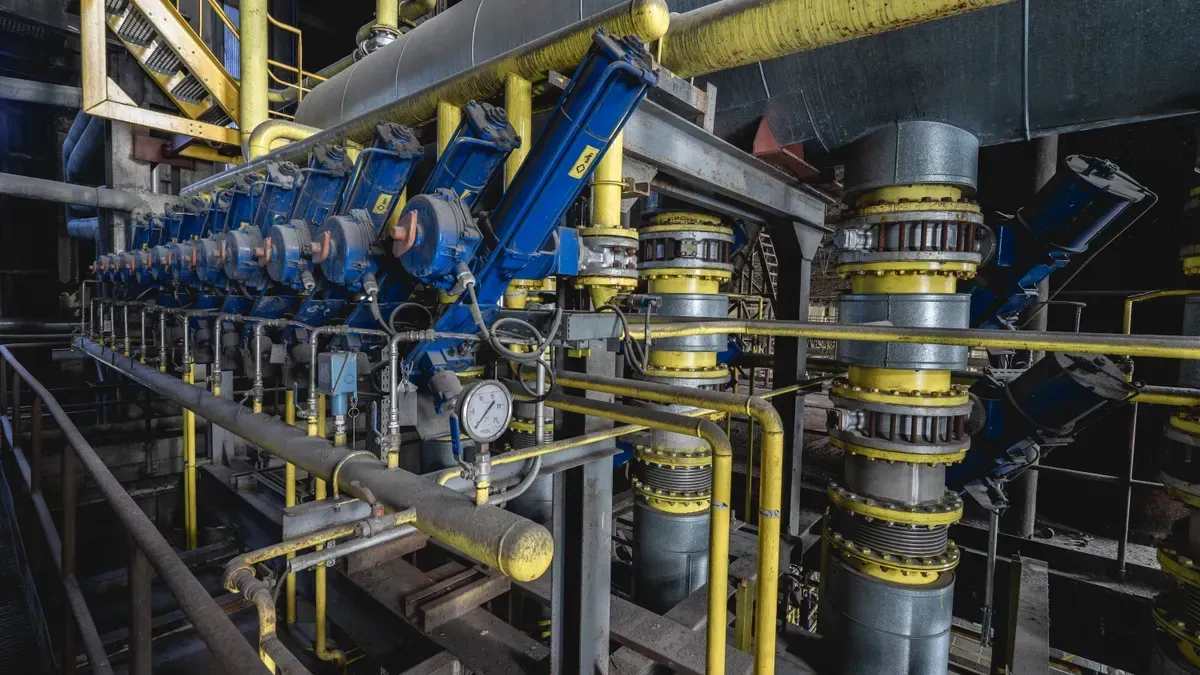
What Is a Side Entry Ball Valve
A side entry ball valve is a special valve. It lets you control liquids or gases by turning a handle. The ball sits inside the valve body. There is a hole in the ball’s center. When you turn the handle, the ball moves. If the hole matches the pipe, fluid flows through. If the solid part blocks the pipe, the flow stops.
This valve often has two or three pieces. The ball sits between these pieces. This makes it easy to take apart for cleaning or fixing. Many industries use this valve. It is reliable and simple to keep working.
TANGGONG VALVE has over 36 years of experience. They design and make these valves. The company uses strict checks and advanced tools. Every valve meets high standards. You can trust their side entry trunnion mounted ball valve and side entry floating ball valves. They work well in oil, gas, and chemical plants.
Key Features and Structure
You will see several important features in a side entry ball valve. The main parts are the body, ball, seats, stem, and actuator. Each part works together for strong shut-off and smooth use.
-
The body holds all parts together. Makers use carbon steel, stainless steel, alloy steel, or cast iron. These materials make the valve strong and long-lasting.
-
The ball sits in the middle. It turns to open or close the flow.
-
The seats press against the ball for a tight seal. This stops leaks, even with harsh chemicals.
-
The stem connects the ball to the handle or actuator. You use this part to turn the ball.
-
The actuator helps you use the valve fast and safely.
Here is a table showing common materials and how they work:
|
Material Type |
Performance Effect |
|---|---|
|
Carbon Steel |
Gives strength and lasts for many uses |
|
Stainless Steel |
Stops rust and lasts a long time |
|
Plastics |
Works for special fluids and jobs |
Side entry trunnion mounted ball valve and side entry floating ball valves come in many sizes and pressure levels. The trunnion mounted type uses extra supports for the ball. This helps in high-pressure systems. The floating type lets the ball move a little. It presses against the seat for a tight seal. Both types give strong shut-off and easy care.
TANGGONG VALVE’s side entry ball valves meet big industry rules. You can see certifications like ISO9001:2015, CE, TUV, SGS, API 6D, and API 607. These show the valves pass tough tests for quality, safety, and fire resistance.
If you need a valve for tough jobs, you can trust TANGGONG VALVE. Their side entry trunnion mounted ball valve and side entry floating ball valves last a long time. They resist stress and seal well. You get a product that handles vibration, high heat, and harsh fluids.
Tip: When picking a side entry ball valve, check the material and certifications. This helps you choose the right valve and keeps your system safe.
How Side Entry Ball Valves Work
Operating Mechanism
You use a side entry ball valve by turning the handle. The handle moves a part called the actuator. The ball inside spins. The hole in the ball matches the pipe. Fluid flows through the valve. If you turn the handle again, the solid part blocks the pipe. The flow stops right away. This makes the valve simple to use.
The main parts work together. The stem links the handle to the ball. The seats push against the ball. They make a tight seal. The body keeps all parts together. You get strong shut-off and smooth use. You can use manual levers, electric actuators, or pneumatic actuators. Each one lets you use the valve quickly and easily.
TANGGONG VALVE’s ball valves use strong materials. You find stainless steel, duplex steel, and Inconel. These materials fight rust and handle high pressure. The valves meet strict rules like API 6D and ISO 9001:2015. You get good performance in oil, gas, and chemical plants.
Tip: You can pick different ways to control your side entry ball valve. Manual levers are good for small systems. Electric or pneumatic actuators work well for bigger or automatic setups.
Flow Control Process
You control flow with a side entry ball valve by turning the handle. The ball moves inside. The hole opens or closes the path. You get full flow or shut-off. This design gives you easy flow control.
Standard ball valves can slow down flow. They do not give exact control for jobs needing careful flow changes. Control (V-Notch) ball valves are better for precise flow. You use side entry ball valves for quick shut-off and easy care. You do not use them for fine flow changes.
The side entry ball valve is known for its quarter-turn movement. You let fluid pass or block it fast. Top entry ball valves are easier to fix inside. Control (V-Notch) ball valves give you more exact flow control. You pick the right valve for your job.
TANGGONG VALVE’s ball valves give strong shut-off and low pressure drop. You get bubble-tight sealing. You can use these valves in pipelines, refineries, power plants, and water systems. The valves handle very hot and cold temperatures. You can trust their long life and good performance.
|
Valve Type |
Flow Control Ability |
Best Use Case |
|---|---|---|
|
Side Entry Ball Valve |
Quick shut-off, simple flow |
Oil, gas, water, chemicals |
|
Top Entry Ball Valve |
Easy internal maintenance |
Large systems, frequent repair |
|
Control (V-Notch) Ball Valve |
Precise flow regulation |
Throttling, fine adjustments |
Note: You should pick a side entry ball valve when you need fast shut-off and easy care. You choose control ball valves for jobs needing careful flow control.
You see how a side entry ball valve works. You turn the handle. The ball spins. The valve opens or closes. You get strong shut-off and reliable use. TANGGONG VALVE’s ball valves give you quality and good performance for tough jobs.
Comparison with Other Ball Valves
Side Entry vs. Top Entry
You might wonder how side entry ball valves are different from top entry ball valves. Both types help control flow, but they are not the same. In a side entry ball valve, you put the ball in from the side. In a top entry ball valve, you put the ball in from the top. This changes how you fix and install each valve.
Here is a table that shows the main differences:
|
Feature |
Top Entry Ball Valve |
Side Entry Ball Valve |
|---|---|---|
|
Design |
Ball inserted from the top, compact design |
Ball inserted from the side, requires complex disassembly |
|
Maintenance |
Easy access for servicing, ideal for frequent inspections |
Challenging maintenance, full disassembly often required |
|
Installation |
Simpler installation, adaptable for smaller systems |
More complex installation, requires proper alignment |
You can fix a top entry ball valve without taking it out of the pipeline. This makes it a good choice if you need to check or fix it a lot. For a side entry ball valve, you must take it apart to repair it. This takes more time and work. Top entry valves are used in places where you need easy maintenance.
Side Entry vs. End Entry
There are also differences between side entry and end entry ball valves. You build a side entry ball valve from the side of the valve body. You have to remove it from the pipeline to fix it. These valves are used where repairs do not happen often. They cost less at first, but you might pay more to keep them working later.
Here is a table with the key points:
|
Feature |
Side Entry Ball Valve |
|---|---|
|
Assembly |
Built from the side of the valve body |
|
Maintenance |
Must take out of the pipeline to fix |
|
Applications |
Good for places with fewer repairs |
|
Cost |
Costs less at first, but more to keep up over time |
|
Durability |
Used for normal pressure and heat |
|
Installation |
Easier to put in place |
People use side entry ball valves in power plants, oil and gas, and chemical factories. These valves work well in places where you do not need to fix them often. You should pick the right valve for your system.
Tip: Always check how easy it is to fix and install each valve type. This helps you choose the best valve for your project.
Benefits and Applications
Main Advantages
There are many good things about using a side entry ball valve. This valve is a smart choice for most factory jobs. The split-body design makes it easy to build and put in. You save money when you buy it and when you fix it. You can use this valve in water plants, food factories, and chemical plants.
Here are some main benefits of a side entry ball valve:
-
You pay less for putting it in and fixing it.
-
The valve comes apart easily for cleaning.
-
It gives a strong shut-off in your pipes.
-
The design works for many fluid jobs.
-
You can count on the valve to last years.
TANGGONG VALVE checks every valve to meet tough rules. You see labels like ISO9001:2015, CE, TUV, SGS, API 6D, and API 607. These show the valve is safe and works well. The company uses strong materials and good tests. You know your pipes will work without problems.
You can see how much time and money you save with this valve. The table below shows some numbers:
|
Metric |
Improvement |
|---|---|
|
Maintenance time per valve |
Reduced from 3 days to 6 hours |
|
Annual downtime savings |
$4.25 million |
|
Maintenance frequency |
Reduced from 2x/year to 1x every 3 years |
|
ROV and diving costs |
Cut by 83% ($415,000 per cycle) |
|
Failure rate |
0% (vs. 15% for side-entry valves) |
|
Additional savings from no shutdown |
$250,000 in downtime savings |
Tip: If you pick a certified valve from TANGGONG VALVE, you spend less and keep your system safe.
Industrial Uses
You see side entry ball valves in lots of places. These valves help control flow in pipes and keep things safe. Here are some common places where you find them:
-
Oil and gas fields and moving oil or gas
-
Chemical and petrochemical factories
-
Water cleaning and water pipes
-
Power plants that make electricity
-
HVAC and building systems
-
Other jobs that need fluid control
You use these valves to start or stop flow in pipes. You can trust them for hard jobs, like in oil fields or chemical plants. TANGGONG VALVE gives ball valves to many companies. Their valves work well in pipes, refineries, power plants, and water systems. You get a valve that handles high pressure, very hot or cold, and strong chemicals.
If you need a valve you can trust for your pipes, you can choose TANGGONG VALVE. Their skill and quality make them a great pick for your next job.
You have learned that a side entry ball valve works fast. It is easy to use and seals tightly. Look at the table below for a quick summary:
|
Main Points |
Description |
|---|---|
|
Definition |
Built from strong metal, simple to put together and fix. |
|
Operation |
Turns 90 degrees to open or close quickly. |
|
Advantages |
Easy design, not heavy, seals tightly, simple to take apart. |
If you pick a good valve from TANGGONG VALVE, you get help from experts and a valve you can trust. Always think about what you need and ask questions before buying. For more information, go to the TANGGONG VALVE website for help and details about their products.
FAQ
What is the main use of a side entry ball valve?
You use a side entry ball valve to start or stop the flow of liquids or gases in a pipeline. It works well in oil, gas, water, and chemical systems.
How do you maintain a side entry ball valve?
You can take the valve apart by removing the side body pieces. This makes cleaning and replacing parts simple. Always follow the manufacturer's instructions for safety.
What materials can you choose for side entry ball valves?
You can pick from stainless steel, carbon steel, or special alloys. The right material depends on your fluid type, temperature, and pressure needs.
Can you automate a side entry ball valve?
Yes! You can add electric, pneumatic, or hydraulic actuators. This lets you control the valve remotely or as part of an automated system.