



A sanitary ball valve lets you control liquid flow. It keeps things clean and safe. You need this valve where hygiene matters a lot. Many industries use sanitary ball valves. These include food and beverage, dairy, pharmaceuticals, cosmetics, biotechnology, and chemicals. They use them to stop contamination. Hygienic ball valves have smooth surfaces. They are easy to clean. TANGGONG VALVE gives you high-quality valve solutions. Professionals trust them for safety and reliability.
Key Takeaways
-
Sanitary ball valves help control liquid flow in places where cleanliness is very important, like food, medicine, and makeup factories. These valves have smooth surfaces and are made from stainless steel. This makes them easy to clean and keeps them from getting rusty or dirty. You need to pick the right sanitary ball valve for your pressure and flow needs, like floating or trunnion-mounted types. It is important to clean and check sanitary ball valves often to keep things safe and follow health rules. TANGGONG VALVE sells many good sanitary ball valves that have international safety certificates, so you can trust them in your work.
Sanitary Ball Valve Overview
Definition and Main Function
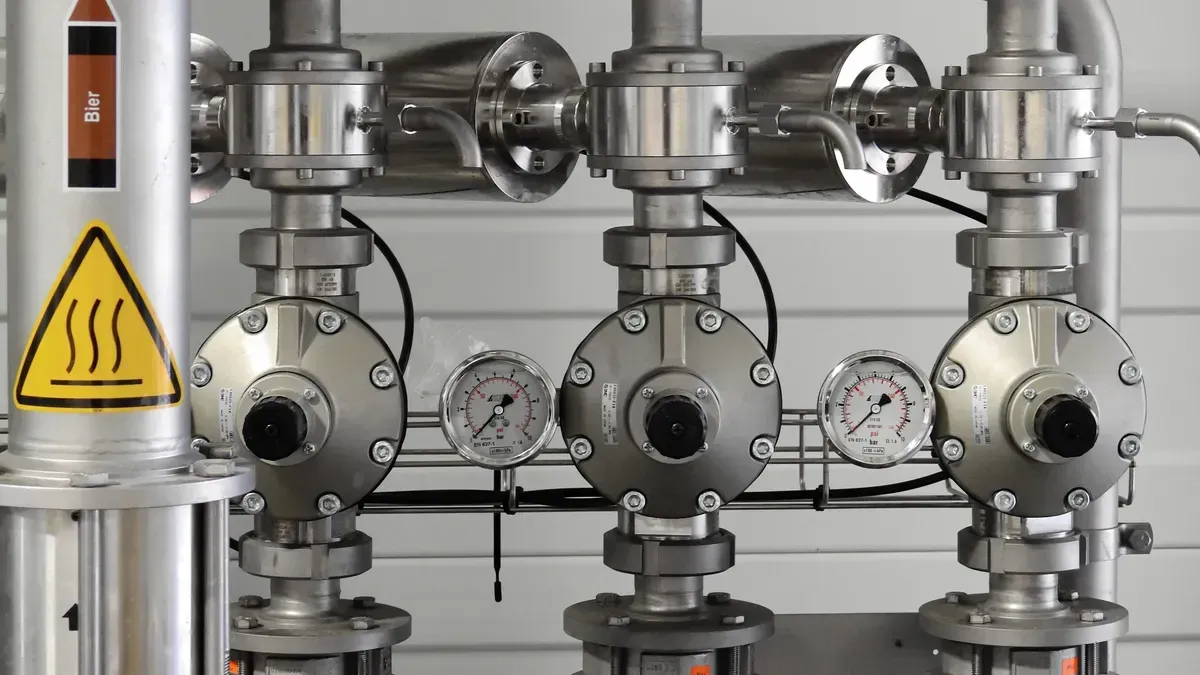
A sanitary ball valve helps control how liquids move. People use it in places where things must stay very clean. You can find these valves in food factories and labs. They also work in places that make drinks. The valve keeps products safe from germs. Its main job is to start or stop the flow of fluids, gases, or steam. It shuts off well and is simple to clean.
A valve is called sanitary because of its design. It has no small gaps inside. It uses 316L stainless steel. The inside is very smooth and shiny. It has Tri-Clamp connections. The seals follow FDA rules. You can take the valve apart to check it. All these things help keep the valve clean and safe.
Sanitary ball valves are different from regular valves. They have smooth insides with no cracks. They use 316L stainless steel. Special connections make cleaning fast and easy. These valves work with CIP and SIP systems. They do not rust and keep things clean.
People use sanitary ball valves to:
-
Control how liquids, gases, or thick stuff move.
-
Keep things clean by stopping product from getting stuck.
-
Help with cleaning.
-
Stay strong and not rust.
-
Make sure fluids touch only safe materials.
TANGGONG VALVE is a top company for valves. They have many years of experience. Their valves meet world standards. You can trust their valves to work well in tough jobs.
Key Components and Design
A sanitary ball valve has many important parts. Each part helps keep your product safe and clean. The design uses smooth surfaces and is easy to take care of. The body is made from strong stainless steel. The seals and seats use PTFE or EPDM. These materials can handle chemicals and heat.
Here is a table that shows the main parts and what they do:
|
Component/Feature |
Contribution to Hygienic Design |
|---|---|
|
Materials |
Made from 304 or 316 stainless steel, does not rust. |
|
Sealing Materials |
PTFE stops leaks and keeps things clean. |
|
Polished Surfaces |
Very smooth, easy to clean. |
|
Connection Types |
Tri-clamp makes it simple to take apart and clean. |
|
Cavity-Filled Ball Seats |
Stops bacteria from hiding in small spaces. |
|
Actuator Design |
Easy to clean and fix. |
|
Compliance |
Safe for food, drinks, and medicine. |
Sanitary ball valves use special materials. Stainless steel 316L does not get damaged by acids. PTFE and EPDM seal well and resist chemicals. The valve body, disc, and stem are all made from 316L stainless steel. The seals use food-safe silicone, EPDM, or PTFE.
|
Material |
Description |
|---|---|
|
Stainless Steel 304 |
Good for most uses and does not rust. |
|
Stainless Steel 316L |
Best for strong acids and pure systems. |
|
PTFE (Teflon) |
Handles chemicals and heat very well. |
|
EPDM |
Works well with hot water and cleaning. |
|
Viton (FKM) |
Good for oils and high heat. |
Ball valves have features like cavity-filled seats and Tri-Clamp connections. These make cleaning easier and stop germs from hiding. The valves meet strict safety rules.
TANGGONG VALVE makes ball valves with smart designs. Their valves have smooth surfaces and do not rust. The connections are easy to clean. Their valves help you keep things clean and safe every time.
How Sanitary Ball Valves Work
Ball Mechanism and Flow Control
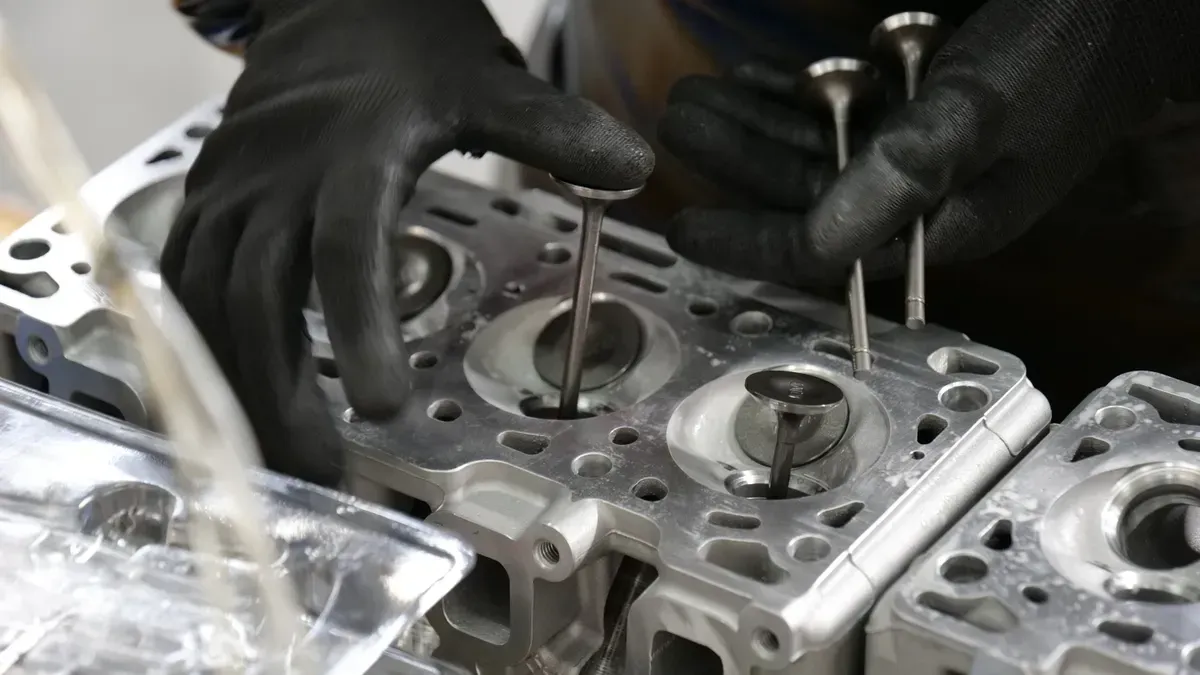
You control the flow of liquids with a sanitary ball valve by turning a handle. Inside the valve, a round ball with a hole runs through its center. This ball connects to a stem and handle. When you turn the handle a quarter turn (90 degrees), the ball rotates. If the hole lines up with the pipe, liquid flows straight through. If you turn the handle so the hole is sideways, the ball blocks the path and stops the flow.
-
The ball rotates to match the direction of the fluid path.
-
A quarter turn opens or closes the valve.
-
When the hole is in line with the pipe, fluid moves freely.
-
When the hole is turned away, the valve shuts off the flow.
This simple action gives you fast and reliable fluid regulation and control. The design also keeps the inside of the valve smooth and easy to clean. TANGGONG VALVE uses high-quality stainless steel and smooth finishes in their ball valve series. These features help you meet strict hygiene standards and prevent contamination.
Here is a table showing why the ball mechanism is a top choice for sanitary uses:
|
Advantage |
Description |
|---|---|
|
Durability |
Stainless steel body lasts long and resists wear. |
|
Hygiene Compliance |
Meets health rules and stops germs from growing. |
|
Easy Cleaning |
Smooth surfaces and special seats prevent bacteria from hiding. |
|
Non-threaded Design |
Uses seals and O-rings, not threads, to keep things clean. |
|
High Surface Finish |
Polished inside to lower the risk of contamination. |
|
Frequent Maintenance |
Easy to take apart and clean often. |
Operation Process
You can open or close sanitary ball valves quickly. Just turn the handle a quarter turn. The valve uses a true-bore design, so liquids move through with little pressure drop. TANGGONG VALVE offers a three-piece body design. This makes it easy for you to take the valve apart for cleaning or repairs.
|
Feature |
Description |
|---|---|
|
Operation |
Turn the handle 90 degrees to open or close the valve. |
|
Design |
Made from 316/316L stainless steel for safety and strength. |
|
Flow Path |
True-bore lets liquids flow without slowing down. |
|
Maintenance |
Three-piece body makes cleaning and repairs simple. |
|
Applications |
Used in food, medicine, and other clean industries. |
You can use sanitary ball valves in many places, such as food factories, medicine plants, and labs. The ball valve classification helps you pick the right type for your job. TANGGONG VALVE gives you options for manual or automatic operation. You get reliable performance and easy cleaning every time.
Types of Sanitary Ball Valves
When you pick a sanitary ball valve, you should know the main types. Each type is best for certain jobs. Different designs help you control flow, pressure, and cleaning.
Floating vs. Trunnion-Mounted Designs
There are two main designs: floating and trunnion-mounted. These designs change how the ball moves and how the valve seals. Here is a table to help you compare them:
|
Feature |
Floating Ball Valve |
Trunnion Ball Valve |
|---|---|---|
|
Design |
Simpler, more compact |
More complex, larger sizes |
|
Pressure Suitability |
Used for lower pressure |
Made for higher pressure |
|
Sealing Performance |
Standard sealing |
Improved sealing |
|
Operating Torque |
Needs more force to turn |
Easier to turn |
|
Material Options |
Many choices |
Stronger materials |
|
Applications |
General use |
High-pressure use |
Floating ball valves work well for most food and drink jobs. If you need to handle high pressure, trunnion-mounted valves are better.
Full Port and Standard Port Options
You also need to choose between full port and standard port. The port size changes how much fluid can move through the valve. Check this table for a quick guide:
|
Feature |
Full Port Ball Valve |
Standard Port Ball Valve |
|---|---|---|
|
Flow Path |
Same as pipe size |
Smaller than pipe size |
|
Flow Resistance |
Very low |
Higher |
|
Size |
Bigger |
Smaller |
|
Cost |
More expensive |
Less expensive |
|
Pressure Rating |
Lower |
Higher |
|
Energy Efficiency |
High |
Moderate |
|
Applications |
High flow, thick fluids |
High pressure, gas, cold fluids |
|
Advantages |
High flow, less wear |
Compact, strong, cheaper |
|
Disadvantages |
Bulky, costly |
More pressure drop |
Full port valves let thick or sticky fluids pass easily. Standard port valves save space and money, but slow the flow a bit.
Specialized Designs from TANGGONG VALVE
There are many types of sanitary ball valves for special needs. TANGGONG VALVE has one-piece, two-piece, and three-piece valves. Three-piece valves are easy to take apart and clean. This helps in places that need strict hygiene. You can also pick Tri-Clamp, weld end, threaded, or flanged connections.
TANGGONG VALVE lets you pick the right size, pressure rating, and body material. You can choose PTFE, reinforced polymer, or metal seats. You can add pneumatic or electric actuators for automatic control. You can even choose how the valve should fail—open, closed, or in place. This flexibility helps you match the valve to your exact job.
Tip: Always check what your system needs before you pick a valve. TANGGONG VALVE can help you find the best fit for your process.
Features and Advantages of Sanitary Ball Valves
Hygienic Design and Easy Maintenance
You want a valve that keeps things clean and safe. Sanitary ball valves let liquid move easily. The inside is smooth and shiny. This stops stuff from sticking. Cleaning is simple and fast. You can take the valve apart quickly. Tri-Clamp or welded connections help with this. You do not need special tools. There are no small spaces for bacteria to hide.
|
Design Feature |
Description |
|---|---|
|
Full-Bore Design |
Same size as the pipe, so flow and cleaning are easy. |
|
Crevice-Free Construction |
No small spaces, so bacteria cannot grow. |
|
FDA-Approved Materials |
Stainless steel does not rust and meets health rules. |
|
Tri-Clamp/Welded Connections |
Easy to open for cleaning and checking. |
|
High Surface Finish |
Shiny inside stops buildup and helps with cleaning. |
-
You can clean and check the valve often.
-
You can change parts without taking out the whole valve.
-
The design lets all liquid drain out after cleaning.
Tip: A sanitary ball valve helps stop germs by making every part easy to reach and clean.
Durability and Performance
Sanitary ball valves last a long time, even in hard jobs. They use strong stainless steel 316L. This metal does not rust and works in hot or cold places. These valves can handle high pressure. For example, a 0.5" to 2" valve can take up to 1000 PSI. You may need to change the seat every 2 to 5 years. The whole valve can last 10 to 15 years if you take care of it.
-
The valve seals tight and lets liquid flow well.
-
It works well in food, drink, and medicine factories.
-
The design keeps pressure low and flow steady.
Compliance and Certifications
You need to know your valve follows strict rules. Sanitary ball valves meet standards like FDA, GMP, ISO 2852, and DIN 11851. These rules make sure the valve is safe for food and medicine. TANGGONG VALVE has even more world certifications, like ABS, CCS, and BV. These show the valve is safe and works well in many places.
|
Standard/Certification |
Description |
|---|---|
|
FDA Compliance |
Safe for food and drink use. |
|
GMP |
Follows medicine making rules. |
|
ISO 2852 |
Meets design and test rules. |
|
DIN 11851 |
Follows clean valve standards. |
|
ABS, CCS, BV |
Certified safe and reliable worldwide. |
You can trust TANGGONG VALVE products in your work. The company follows all big safety and quality rules.
Applications of Sanitary Ball Valves
Sanitary ball valves are important in many industries. These industries need very clean and safe fluid control. You see these valves where keeping things clean is a must. Let’s see how they are used in different jobs.
Food and Beverage Industry
Sanitary ball valves help keep food and drinks safe. They control how milk, juice, and beer move in pipes. The inside of the valve is smooth and shiny. This stops bacteria from sticking to it. You can clean these valves fast and easily. This helps you follow health rules. Many drink companies use these valves to move liquids safely. TANGGONG VALVE makes strong valves that are easy to clean. Their valves work well with cleaning-in-place systems. This saves you time and keeps your machines working.
Pharmaceutical and Biotech
Pharmaceutical and biotech jobs have even stricter rules. You need valves made from stainless steel with special finishes. The seals must be FDA-approved and have no animal parts. You want valves that drain fully and can be cleaned with steam. The design stops bacteria from hiding in small spaces. You also need papers that show what the valve is made of. These valves must meet standards like 3-A, EHEDG, or USP Class VI.
-
Stainless steel with smooth surfaces
-
FDA-approved seals
-
Fully drainable and steam-cleanable
-
No small spaces for bacteria
-
Full paperwork and certifications
TANGGONG VALVE gives you valves that are tested not to leak. Their products have ISO 9001, ASME, and API certificates. You can trust these valves for safe use in medicine and labs.
Other Sanitary and Industrial Uses
You also find sanitary ball valves in other clean jobs. These include cosmetics, dairy, and chemical plants. You need these valves to keep products safe and pure. TANGGONG VALVE has many valve choices for every clean job. Their experience helps you pick the right valve for your work.
Note: You can trust TANGGONG VALVE for top-quality valves that meet world rules. Their products help you keep your work safe, clean, and running well.
You use a sanitary ball valve to keep things clean and working well. Good valves stop germs from getting in and last a long time if you take care of them. This saves you money because you do not need to buy new ones often. TANGGONG VALVE makes valves you can trust. Their valves have safety certificates from around the world. When you pick a valve, think about these things:
- What material works with your system
- How clean the design is
- If it follows FDA rules
- The way you will use it
- The size and how it connects
- How well it needs to work
- How easy it is to fix or clean
- How much it costs
These choices help you keep things clean, stop problems, and make your work go smoothly.
FAQ
What makes a ball valve "sanitary"?
A sanitary ball valve has a smooth inside. It is easy to clean. The valve is made from stainless steel. It uses seals that are safe for food. You can take the valve apart to clean it. This keeps germs from hiding inside.
How do you clean a sanitary ball valve?
You can clean a sanitary ball valve in two ways. You can take it out and wash it. Or you can use cleaning-in-place systems. The smooth inside and special seats help you clean off any leftover stuff. You can use hot water, steam, or safe cleaning chemicals.
Can you use sanitary ball valves for high-pressure jobs?
Sanitary ball valves can work for high-pressure jobs. You need to pick the right kind. Trunnion-mounted valves are good for higher pressure. TANGGONG VALVE has choices for many pressure needs.
What certifications should you look for?
You should check for certifications like FDA, ISO 9001, API 6D, and CE. These show the valve is safe for food, medicine, and factories. TANGGONG VALVE gives you valves with world certifications.