



A pneumatic ball valve uses compressed air to move liquids or gases. This valve is used in many industries. It gives reliable control of fluid flow. It also reacts quickly. Knowing how a pneumatic ball valve works helps you make safer choices. It also helps you run your operation better. TANGGONG VALVE is a leader in the market. They have advanced ball valve series. These valves meet strict standards. More people want pneumatic valves around the world. The market may reach US$8.7 billion by 2033. If you learn about how they work and where to use them, you can make your plant work better. You can also have less downtime.
Key Takeaways
-
Pneumatic ball valves use air under pressure to control fluid flow fast and well. This makes them great for machines that work by themselves. These valves can open or close in just a few seconds. They give a quick response in important jobs. TANGGONG VALVE sells strong pneumatic ball valves. These valves follow tough world rules for safety and how well they work. You need to check and clean pneumatic ball valves often. This helps them last longer and work better. Picking the right valve means you must think about pipe size, pressure, and what kind of fluid you want to control.
Pneumatic Ball Valve Basics
What is a Pneumatic Ball Valve
A pneumatic ball valve helps start or stop liquids or gases in pipes. It uses compressed air to move a ball inside the valve. When air pressure is used, the ball turns a quarter turn. This lets the fluid pass or blocks it. The main job of this valve is to quickly and reliably stop or allow flow. You can use it to open or close a pipe fast. It can also help change flow direction or control flow a little, but it works best when fully open or closed.
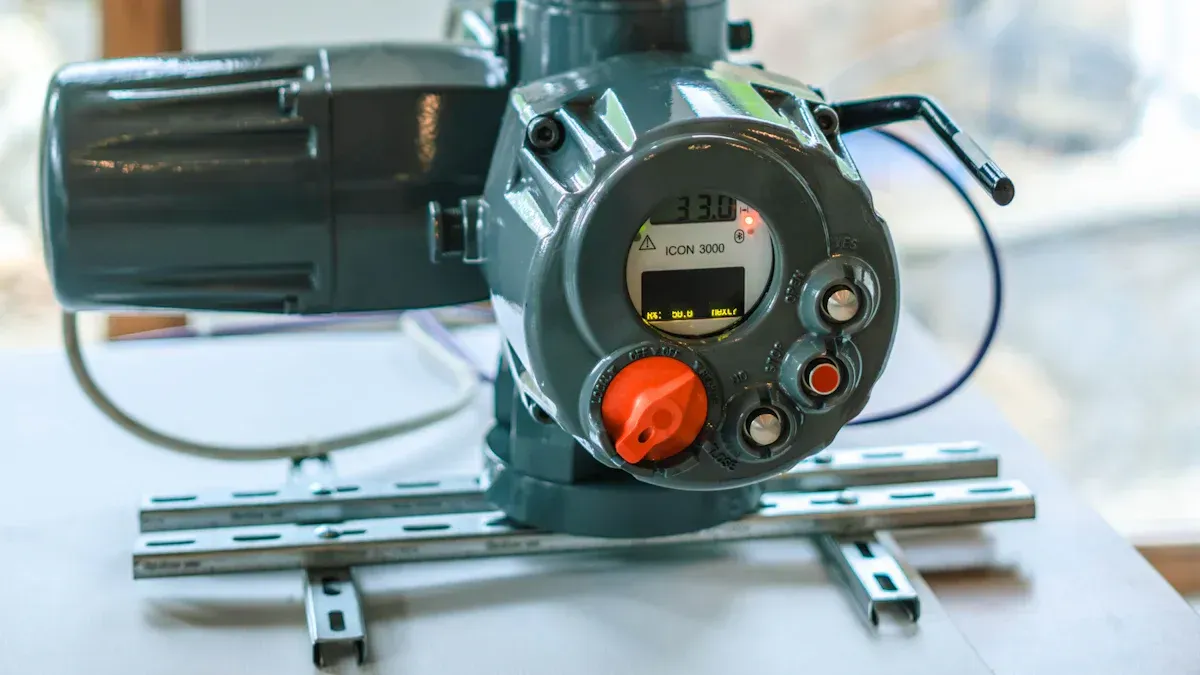
This valve is special because it has a pneumatic actuator. The actuator lets you control the valve without using your hands. Air pressure moves the ball for you. This makes it great for systems that need fast action or remote control.
TANGGONG VALVE is a top company in this area. Their ball valves work well in many industries. These valves have a hollow ball inside to control flow. When the hole in the ball matches the pipe, fluid flows through. If you turn the ball 90 degrees, the valve closes and stops the flow. This design gives a tight seal and stops leaks every time.
Note: TANGGONG VALVE’s pneumatic ball valves follow strict world standards. You can count on them for safety and good performance.
Key Features and Functions
Pneumatic ball valves have many features that make them a good choice for fluid control. Here are the main things they do:
-
Stop or allow flow
-
Open or close pipes quickly
-
Change flow direction
-
Control flow a little
-
Block pressure
-
Switch processes
These valves work fast. You can open or close them in just a few seconds. This helps you react quickly if your system changes. The tight seal keeps leaks very low. They work well even in hard conditions.
Let’s look at how pneumatic ball valves compare to manual and electric ball valves:
|
Feature |
Pneumatic Ball Valves |
Manual/Electric Ball Valves |
|---|---|---|
|
Operation Mechanism |
Fast and automatic |
Manual or electric actuator |
|
Sealing Capabilities |
Tight seal |
Depends on the design |
|
Speed |
Very fast shut-off |
Slower because of manual use |
|
Suitability |
Best for automation and remote use |
Good for manual or automatic use |
You can see pneumatic ball valves are fast and easy to control from far away. They are great when you need to act quickly or control the valve from another place.
TANGGONG VALVE uses strong materials for their ball valves. You can pick carbon steel, stainless steel, duplex steel, or special metals like Inconel or titanium. These materials help the valve last longer and work in tough places. The design meets world rules, so you know the product is reliable.
If you want a valve that is quick, seals tightly, and is easy to automate, a pneumatic ball valve from TANGGONG VALVE is a smart pick for your fluid control.
Pneumatic Ball Valve Operation
How Pneumatic Actuation Works
A pneumatic ball valve helps move liquids or gases. It uses a pneumatic actuator to work. Compressed air powers the actuator. The air comes from a tank. When air goes into the actuator, it pushes a diaphragm. The diaphragm squeezes springs inside. The springs push the valve stem. The stem turns the ball inside the valve. This opens or closes the valve.
You can find this process in many factories:
-
Compressed air goes into the actuator and pushes the diaphragm.
-
The springs get squeezed and move the valve stem.
-
The stem turns the ball to open or close the flow.
-
When you let the air out, the springs stretch and move the stem back. This opens the valve again.
Pneumatic ball valves work fast and are reliable. You can open or close them in just seconds. Pressurized air makes them quick. This helps control flow well. You get a tight seal and fast action.
Here is a table that shows normal pressure and temperature for pneumatic actuators in ball valves:
|
Parameter |
Typical Range |
|---|---|
|
Pressure Ratings |
Class 150: up to 285 PSI; Class 600: up to 1,480 PSI |
|
Temperature Range (Seat) |
PTFE: -29 to 200°C; Metal: up to 500°C |
TANGGONG VALVE makes pneumatic ball valves that meet strict rules. These valves follow API, ISO, ANSI, and CE standards. These rules help keep your system safe and working well.
|
Engineering Standard |
Description |
|---|---|
|
API |
American Petroleum Institute standards |
|
ISO |
International Organization for Standardization standards |
|
ANSI |
American National Standards Institute standards |
|
CE |
European Conformity standards |
|
API 598 |
Pressure testing standard for valves |
|
ISO 5208 |
Leakage testing standard for valves |
Tip: You can trust TANGGONG VALVE for good pneumatic ball valves. Their products meet world rules and give you steady flow control.
Opening and Closing Mechanism
You open and close a pneumatic ball valve with simple steps. Here is how it works:
-
You send a signal to the actuator. This can be from a button, remote, or PLC.
-
The actuator uses compressed air to make turning force. You can use spring-return or double-acting types.
-
The force turns the ball inside the valve. The ball lines up its hole with the flow path.
-
You control the flow. The ball can be all the way open, all the way closed, or partly open.
Pneumatic ball valves act fast. You get quick shutoff and smooth work. Pressurized air makes them faster than electric ones. You can use these valves where speed and trust matter.
-
Pneumatic actuator valves use pressurized air for fast work.
-
You get quick action compared to electric types.
-
The valve opens or closes in seconds, so you can react fast.
You can count on TANGGONG VALVE for valves that work in hard places. Their design and quality rules make sure you get good results. You can control flow better and have less downtime.
Note: Pneumatic ball valves from TANGGONG VALVE give you fast, steady, and safe work. You can use them for many flow jobs in your plant.
Main Valve Components
Ball, Seats, and Body
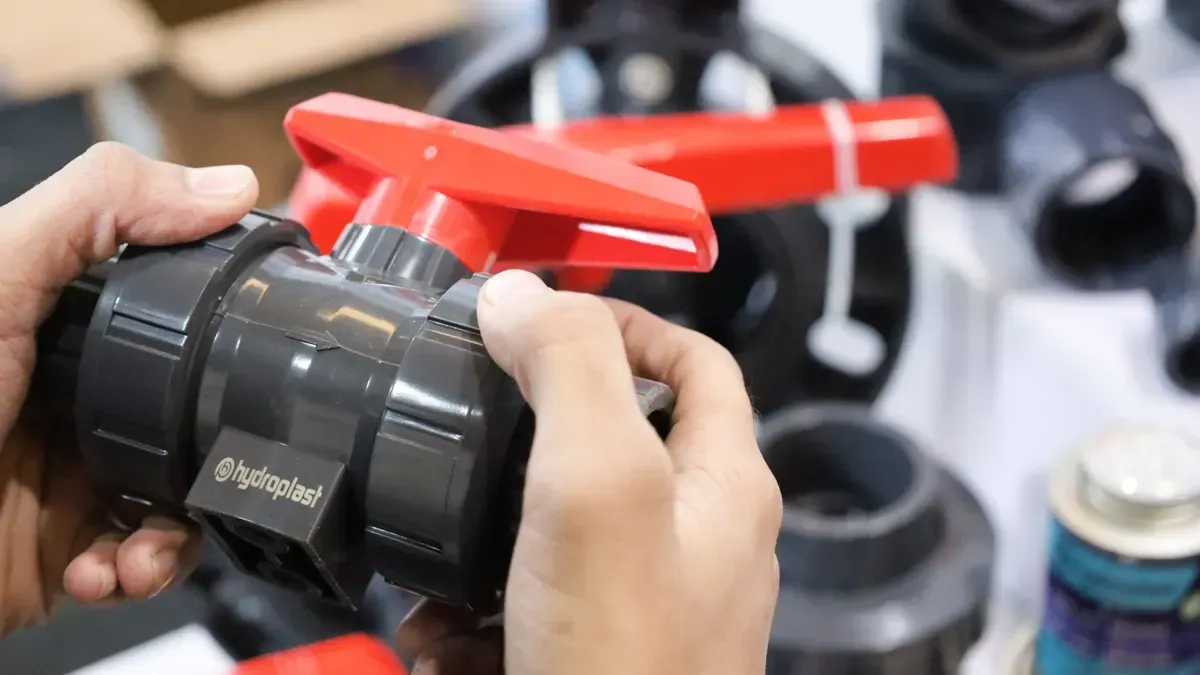
You need to know the main parts of a pneumatic ball valve to understand how it works. Each part has a special job in flow control. Here are the key components:
-
Body: This is the outer shell. It protects the inside parts and handles high pressure and tough fluids.
-
Ball: The ball sits inside the valve. It has a hole in the middle. When you turn the ball, you start or stop the flow.
-
Seats: These rings hold the ball in place. They make sure you get tight sealing and no leaks.
-
Stem: The stem connects the ball to the actuator. It helps move the ball when you want to open or close the valve.
-
Seals and Packing: These parts stop leaks around the stem and joints.
-
End Connections: These connect the valve to your pipes.
You will find these parts made from strong materials. Here is a table that shows common materials for each part:
|
Component |
Common Materials |
|---|---|
|
Body |
Brass, Carbon Steel, Stainless Steel, Ductile Iron |
|
Ball |
Stainless Steel, Bronze, Carbon Steel, Special Alloys |
|
Seats |
PTFE, RPTFE, PEEK, Nylon, Metal seats |
These materials help the valve last longer and work well in many places. You get better flow control and less worry about damage.
Actuator and Accessories
The actuator is the part that moves the ball. In a pneumatic ball valve, you use compressed air to power the actuator. This makes the valve open or close fast. You do not need to use your hands. The actuator gives you better control and safety.
You can find different types of pneumatic actuators. Some turn the ball (rotary), and some push it (linear). Most factories use rotary actuators for ball valves. These actuators are strong and work well in hard jobs.
Here is a table that shows what you get with pneumatic actuators and accessories:
|
Feature |
Description |
|---|---|
|
Precision Control |
Lets you control flow very accurately |
|
Versatile Motion |
Works as rotary or linear actuator |
|
Rugged Construction |
Handles tough jobs and lasts a long time |
|
Seamless Integration |
Fits with your control system easily |
|
Enhanced Safety |
Reduces the need for manual work |
You can add accessories like limit switches, positioners, and solenoid valves. These help you check the valve’s position and make your flow control even better. You get fast action, tight sealing, and safe operation every time.
Tip: When you choose the right actuator and accessories, you make your pneumatic ball valve work smarter and last longer.
Advantages of TANGGONG Ball Valve Series
Performance and Reliability
You want your system to work well every day. TANGGONG ball valve series helps you feel safe. These valves use strong metals like stainless steel and special alloys. The valve can handle high pressure and tough chemicals. You can open or close the valve fast. This lets you react quickly if something changes.
Each valve gives you steady flow control. The tight seal stops leaks. You do not need to worry about sudden drops in pressure or spills. The pneumatic actuator lets you automate your system. You can trust the valve to work in hard places like oil refineries or chemical plants.
Here are reasons you can trust TANGGONG valves:
-
Opens and closes fast for quick response
-
Lasts a long time with fewer repairs
-
Strong seal stops leaks
-
Works in extreme heat and pressure
-
Easy to connect to your control system
These valves give you steady flow control every time. This helps keep your plant safe and running well.
Compliance and Certifications
You need to make sure your valves follow strict rules. TANGGONG ball valve series meets many world standards. These certifications show the valves are safe and high quality. They help you follow rules in industries like petrochemical and power plants.
Here is a table of important certifications and what they mean:
|
Certification/Standard |
Description |
|---|---|
|
API 6A |
Specification for wellhead and Christmas tree equipment |
|
ISO 10423 |
Specification for drilling and production equipment |
|
API 6D |
Specification for pipeline valves |
|
ISO 9001:2015 |
Quality management systems requirements |
|
CE |
Health, safety, and environmental protection standards |
|
TUV |
Technical inspection and quality assurance |
These certifications are important for safety. They make sure the valve will not fail in dangerous places. Valves with CE and TUV marks pass tough tests. You can use these valves where there are flammable gases or dust. This lowers the risk of accidents and keeps your team safe.
If you use valves without certifications, you could have leaks or explosions. That is why you should pick valves that meet ATEX and IECEx standards for dangerous areas. TANGGONG valves help you feel confident and follow the law.
Tip: Always check for certifications before choosing a pneumatic valve. This helps you avoid problems and keeps your operation safe.
Fluid Flow Control Applications
Industrial Uses
You will find pneumatic ball valves in many industries. These valves help you start, stop, or change the flow of liquids and gases. You can use them in places where you need quick and safe control. Here is a table that shows where you might use a pneumatic valve and what it does in each industry:
|
Industrial Sector |
Typical Applications |
|---|---|
|
Oil and Gas |
Used in wellhead manifolds, pipelines, and refineries to manage flow and shutoff. |
|
Power Generation |
Controls water, steam, and gas flow in power plants. |
|
Chemical Processing |
Regulates chemicals and keeps processes safe. |
|
Water Treatment |
Controls the flow of water and treatment chemicals. |
|
Metallurgy |
Handles cooling water and process gases in metal plants. |
|
Pharmaceuticals |
Manages clean fluids and gases for safe medicine production. |
TANGGONG VALVE serves many of these industries. You can find their valves in oil and gas, chemical plants, power stations, and water treatment facilities. These valves give you reliable flow control in tough jobs.
Tip: You should choose a pneumatic valve when you need fast action and safe operation in your plant.
Installation and Maintenance Tips
You want your pneumatic ball valve to work well for a long time. Good installation and care help you avoid problems. Here are some simple tips:
-
Check the valve and pipes for dirt before you install them.
-
Make sure the valve matches the size and pressure of your system.
-
Use the right tools to connect the valve to your pipes.
-
Test the valve with air or water before you use it in your process.
For maintenance, you should:
-
Inspect the actuator and seals often.
-
Listen for leaks or strange sounds.
-
Clean the valve if you see buildup or dirt.
-
Replace worn seats or seals right away.
If the valve does not open or close, check the air supply and actuator first. You can also look at the control system for errors. Regular checks keep your flow steady and your plant safe.
Note: Always follow the instructions from TANGGONG VALVE for the best results and longest valve life.
You now know how pneumatic ball valves work. These valves help control liquids and gases. TANGGONG VALVE offers many products. They also give custom solutions and strong support.
|
Why Pick TANGGONG? |
What You Get |
|---|---|
|
Many products |
Custom help |
|
Lasts a long time |
World certifications |
|
Expert advice |
Technical support for years |
-
You can ask TANGGONG for help with your project.
-
Check the FAQs to find answers about pneumatic ball valves.
FAQ
What is the difference between a trunnion and a floating ball valve?
You will see two main types. A trunnion ball valve uses supports to hold the ball. This works best for big pipes and high pressure. A floating ball valve lets the ball move a little. This gives a tight seal for smaller pipes.
How do you choose the right ball valve for your system?
You should check your pipe size, pressure, and temperature. Look at the fluid type. Decide if you need manual or automatic control. TANGGONG experts can help you pick the best model for your needs.
Can you use pneumatic ball valves for very cold or hot fluids?
Yes, you can. TANGGONG pneumatic ball valves work from -196°C to 650°C. You must choose the right seat and body material for your temperature range.
What certifications do TANGGONG ball valves have?
TANGGONG ball valves meet ISO 9001:2015, API 6D, CE, and TUV standards. You can use them in many industries. These certifications show the valves are safe and reliable.
How do you keep a pneumatic ball valve working well?
You should check the actuator and seals often. Clean the valve if you see dirt. Replace worn parts quickly. Always follow the instructions from TANGGONG VALVE for the best results.