



A multiport ball valve helps you control where liquids or gases go. You use one device to send flow through different pipes. When you turn the handle, the ball inside moves. This opens, closes, or changes the flow’s direction. Many industries use this valve for flow control. It makes their systems easy and works well. You can find these valves in oil and gas, water treatment, power plants, and food factories. Here is a quick look at where multiport ball valves are important:
|
Industry |
Description |
|---|---|
|
Oil and Gas |
Biggest user of ball valves for flow control in finding and making oil and gas. |
|
Water and Wastewater Utilities |
Needed for handling water supply and cleaning water. |
|
Power Generation |
Used in energy plants to control fluids. |
|
Chemicals |
Important for safe and fast chemical work. |
|
Pharmaceuticals |
Gives exact control in making medicine. |
|
Food Processing |
Keeps food clean and systems working well. |
|
HVAC & Building Services |
Needed for air and building control systems. |
TANGGONG VALVE is a trusted leader. They give high-quality solutions that help important industries all over the world.
Key Takeaways
-
A multiport ball valve can move flow in many ways with one device. This makes piping systems easier to set up. These valves take up less space and cost less money. You do not need as many valves in your system. Picking the best materials and designs helps your multiport ball valve last longer. It also makes it work better. Many industries use multiport ball valves for good flow control. These include oil and gas, water treatment, and food processing. Automation choices for multiport ball valves make them work faster and more accurately. This makes them great for systems that are hard or complicated.
Multiport Ball Valve Basics
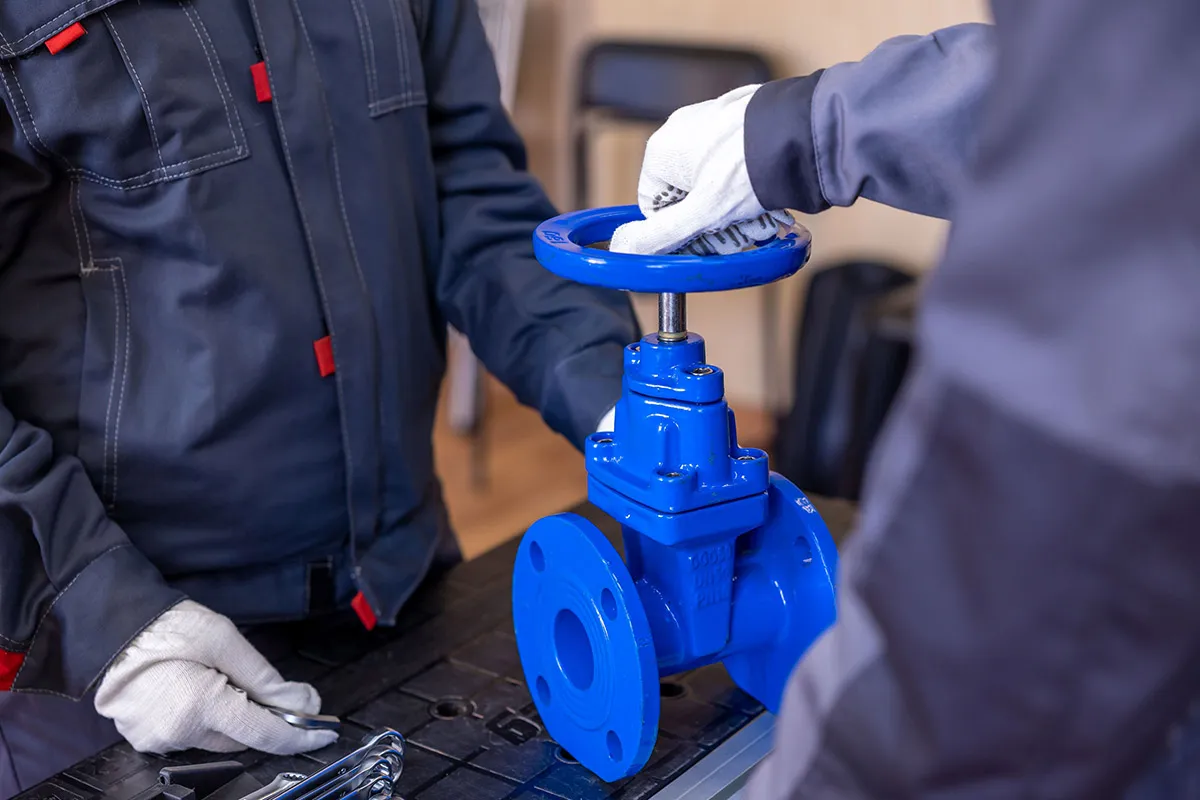
What Is a Multiport Ball Valve
A multiport ball valve helps you control where liquids or gases go in pipes. It has more than two ports, so you can send flow to different places with one valve. Most of these valves have three, four, or five ports. The main job is to mix, split, or stop flow in many directions without using lots of valves.
This valve is special because of how it is built. It has one body and a ball with holes inside. When you turn the handle, the ball moves and lines up its holes with the ports. This lets you pick where the flow goes. You only need one valve instead of many, which saves space and makes things easier.
Here is a table that shows the main parts of a multiport ball valve and what they do:
|
Component |
Description |
Material Considerations |
|---|---|---|
|
Valve Body |
Main part that holds pressure |
Carbon steel, stainless steel, duplex stainless steel |
|
Ball |
Controls flow with drilled holes |
Hard chrome plating, ceramic coating for durability |
|
Seats |
Make a seal between ball and valve body |
PTFE, PEEK, advanced polymers, metal seats |
|
Stem |
Connects handle or actuator to the ball |
Blow-out proof, uses multi-ring graphite packing |
Multiport ball valves come in many materials. Some are made from brass or bronze for easy jobs. Others use carbon steel or stainless steel for tough work. Special metals like Inconel or titanium are used for strong chemicals or high heat. The seats can be soft, like PTFE or nylon, for a tight seal. Metal seats are best for high heat or rough jobs.
How a Multiport Ball Valve Works
A multiport ball valve works in a simple way. You turn the handle or use an actuator. This makes the ball inside turn. The ball has holes that match the ports. When you move the ball, you change where the flow goes. You can send flow to one pipe, switch it to another, or mix flows from different pipes.
A two-way ball valve only starts or stops flow in one way. A multiport ball valve gives you more choices. You can mix, split, or change flow without stopping the system. This makes things faster and easier.
Inside, a multiport ball valve is not like a two-way valve. The ball has more than one hole. These holes connect to many ports. You can control tricky flow patterns with just one valve. This design saves space and means you need fewer valves.
Here is a table that shows how different materials change how a multiport ball valve works:
|
Material Type |
Examples |
Impact on Performance |
|---|---|---|
|
Non-ferrous metals |
Brass, bronze, aluminum |
Lightweight, corrosion-resistant, good for low pressure |
|
Ferrous-based metals |
Iron, carbon steels, stainless steels |
Strong, durable, good for high pressure |
|
Nickel-based metals |
Hastelloy, Inconel, nickel |
Resist corrosion and high temperatures |
|
Reactive metals |
Titanium, tantalum, zirconium |
High strength, resist extreme environments |
|
Plastics and polymers |
PVC, polyethylene, polypropylene |
Lightweight, chemical resistant, for low pressure |
|
Soft seat materials |
Neoprene, PTFE, UHMWPE, PEEK, Delrin, Nylon |
Good sealing, flexible |
|
Metal seat designs |
Solid metal, surface hardened, lapped |
Best for severe, high pressure, and high temperature |
Tip: When you pick a multiport ball valve, think about the flow you need, the pressure in your pipes, and the type of fluid. The right material and design will help your valve last longer and work better.
A multiport ball valve is a smart way to control flow in many directions. It is easy to use and helps you handle tricky systems with less work.
Types and Configurations
3-Way Multiport Ball Valve
You often see a three-way valve when you need to control flow between three different pipes. This type of multiport valve has three ports. You can use it to mix two flows into one, split one flow into two, or switch flow from one pipe to another. The ball inside has an L-shaped or T-shaped hole. When you turn the handle, you change the path the fluid takes. This makes the three-way valve very useful in systems where you want to direct flow without stopping everything.
4-Way and 5-Way Multiport Ball Valves
If you need even more control, you can use a 4-way or 5-way multi-port valve. These valves have four or five ports. You can send flow to several places or combine flows from different pipes. The ball inside these multi-port valves has special holes that let you pick many flow paths. You can use these valves in complex systems, like chemical plants or water treatment stations. They help you manage many lines with just one valve.
Flow Patterns and Port Arrangements
Multiport valves give you many ways to move fluids. The way the ports are arranged changes how you use the valve. Some common flow patterns include mixing, diverting, and switching. You can choose a valve with an L-port, T-port, or X-port ball. Each pattern lets you control flow in a different way.
Multi-port ball valves provide multiple flow paths, enhancing operational flexibility. They reduce the need for additional valves, simplifying system design. These valves improve overall efficiency in fluid control systems.
Here is a table to show some common port arrangements:
|
Port Type |
Flow Pattern |
Typical Use |
|---|---|---|
|
L-Port |
Diverting |
Switch flow between lines |
|
T-Port |
Mixing/Diverting |
Mix or split flows |
|
X-Port |
Cross-connection |
Complex routing |
You can pick the right multiport valve by looking at your system’s needs. The right port arrangement helps you save space and make your system easier to use.
Features of TANGGONG VALVE Ball Valve Series
Construction and Materials
TANGGONG VALVE makes strong valves. They use stainless steel, duplex steel, and Inconel. These materials help the valve last a long time. They also stop rust and damage. You can pick different body and seat materials for your needs. The valve body holds pressure and keeps your system safe. TANGGONG VALVE uses careful engineering for every valve. Their valves work in oil and gas, chemical plants, and power stations. Each valve is tested in advanced labs. This makes sure it works well in hard jobs.
-
TANGGONG VALVE has many ball valves for different industries.
-
Their valves last long and work well.
-
You can trust their engineering and how they make valves.
Sealing and Operation
You want a valve that does not leak. TANGGONG VALVE uses special seals. The double offset design helps the seat last longer. A mechanical seal stops leaks, even with high pressure or heat. The valve shuts off tightly and meets fire-safe rules. It is easy to use because it needs little force to turn. The valve does not wear out fast and lasts longer than normal valves. You can choose manual, electric, pneumatic, or hydraulic ways to use it. Automated valves are good for big systems and give fast, accurate control.
Tip: Pick the best way to open your valve. Manual is simple. Automated is faster and more exact.
|
Feature |
Description |
|---|---|
|
Double Offset Design |
Makes the valve last longer |
|
Mechanical Sealing |
Stops leaks in hard jobs |
|
Bubble-Tight Shutoff |
Meets fire and emission rules |
|
Low Operating Torque |
Makes the valve easy to use and fix |
Compliance and Certifications
You need a valve that follows strict rules. TANGGONG VALVE ball valves have certifications like API, ASME, ISO, CE, and DIN. These show the valve is safe and works well. The company tests each valve for leaks, fire safety, and how it works. You can trust these valves in important systems. TANGGONG VALVE sends valves to over 20 countries. Their valves pass world tests and work in many places.
|
Standard/Certification |
Description |
|---|---|
|
API / ASME / ANSI |
Used in oil, gas, and pipeline projects |
|
ISO 5211 |
Makes sure actuators fit |
|
IEC 60534 |
Checks size, flow, and control |
|
CE / DIN / EAC |
Meets European and Eurasian rules |
|
ISO 15848 |
Tests for leaks |
|
API 607 / 6FA |
Fire safety for valves |
|
SIL3 |
Safety for important systems |
You get quality, new ideas, and world standards with every TANGGONG VALVE ball valve.
Advantages and Applications of Multi-Port Ball Valves
Key Benefits
A multi-port ball valve gives you many good things. You can control flow in many pipes with just one valve. You do not need lots of extra parts or other valves. This makes your system simple and easy to use. You can change where the flow goes, mix flows, or split flows. You do not have to stop your work to do this.
-
Multi-port ball valves let you control flow in many ways.
-
You use fewer pipes and parts in your system.
-
It is easier to use and works better.
A multiport ball valve also helps you save money. You buy fewer valves, so you spend less. There are fewer places for leaks, so your system is safer. One actuator can move flow in many ways, so automation is easy.
|
Evidence Description |
Benefit |
|---|---|
|
Multi-port ball valves put many valves into one. |
You need fewer pipes and parts, so you save money. |
|
Fewer valves and parts mean fewer places for leaks. |
Your system is safer and you fix it less often. |
|
One actuator can do the job of many actuators. |
It is easier to control and costs less to automate. |
You also get safety and help the environment. The strong valve body can handle high pressure and heat. Fewer leaks mean less danger with bad fluids. Your system is safer and better for the planet.
Industrial Uses
Many industries use multi-port ball valves. Oil and gas companies use them to control flow in pipes. Chemical plants use them to mix and move fluids. Power plants use them for steam and water. You also see them in ships, water cleaning, and metal work. These valves are good when you need to control flow in many pipes.
-
TANGGONG VALVE products help oil, gas, chemicals, gas lines, metals, medicine, and power.
-
The valves keep systems working, even in hard places.
Multi-port ball valves do not need much fixing. They have a simple design, so fewer parts break. You spend less time fixing them than other valves. Gate valves break more because their parts wear out faster.
Why Choose TANGGONG VALVE
You want a valve you can count on. TANGGONG VALVE gives you that. The company has strong testing and checks every valve. Every multi-port ball valve meets tough safety and world rules. You get flow control you can trust for big jobs.
-
TANGGONG VALVE gives you strong, tested valves.
-
The valves work in important pipes and meet world rules.
-
You get valves that last and keep your system safe.
When you pick TANGGONG VALVE, you get quality, safety, and good work for every job.
Selection Tips for Multiport Ball Valves
Choosing the Right Valve
You should think about a few things when picking a multiport valve. First, check the size. The valve must fit your pipe and keep flow smooth. Next, look at the pressure rating. This shows if the valve can handle your system’s pressure. Pick the right material for your fluid and temperature. Stainless steel is strong and lasts a long time. Soft seats like PTFE seal tightly. Metal seats are better for hot or rough jobs.
Here is a table to help you compare important criteria:
|
Criteria |
Description |
|---|---|
|
Material Selection |
Matches fluid and conditions, improves reliability. |
|
Valve Size |
Fits piping, keeps flow steady, prevents leaks. |
|
Type of Ball Valve |
Two-way, three-way, or multi-port for different flow control needs. |
|
Pressure and Temperature Ratings |
Matches system conditions, keeps valve safe. |
|
Flow Control |
Manual or automated, depends on your system. |
|
Actuation Method |
Manual, electric, pneumatic, or hydraulic for easy operation. |
|
Sealing Mechanism |
Prevents leaks, choose the right seat material. |
|
End Connections |
Makes installation easy, fits your pipes. |
Know your flow paths to avoid mistakes. Pick full port valves if you want the most flow. Standard port valves can slow things down and drop pressure. Always check the connection type. The wrong one can cause leaks or make it hard to install.
Application Considerations
Think about your job before you pick a multi-port valve. The fluid type is important. Some fluids need special materials so the valve does not get hurt. Strong seats and bodies are needed for rough fluids. Clean systems need smooth, shiny surfaces. High-pressure pipes use trunnion valves. Floating ball valves are good for low pressure. Multiport valves let you switch flow in tricky systems.
Here is a table showing how size, pressure, and media compatibility influence your choice:
|
Factor |
Influence on Selection |
|---|---|
|
Valve Size |
Controls flow capacity, fits your piping system. |
|
Pressure Rating |
Handles system pressure, prevents valve failure. |
|
Media Compatibility |
Keeps valve safe from damage, matches fluid type. |
You can follow these steps to pick the best valve: 1. Check your pipe size and how much flow you need. 2. Make sure the pressure rating matches your system. 3. Pick materials that do not get damaged by your fluid. 4. Choose the actuation method that works for you. 5. Select the sealing that stops leaks.
Note: TANGGONG VALVE gives engineering help and advice. You can get custom valves for your needs. Their experts help you pick the right valve for your system.
If you use these tips, your multiport valve will work well and last longer. Your flow control system will be safe and work better.
A multiport ball valve lets you move flow in many ways. You only need one valve to do this. This makes your system easier and works better. You do not need as many valves, so you save money and time. You also do not have to fix things as often. Look at the table below for the main ideas:
|
Key Takeaway |
Description |
|---|---|
|
Simplifies piping |
Fewer valves needed |
|
Efficient flow control |
Quick and easy operation |
|
Long lifespan |
Durable and reliable |
If you want help from experts, you can do these things: 1. Ask for advice about which valve to pick. 2. Talk about special solutions for your job. 3. Ask for a price and papers about the valve. 4. Get a custom answer in one day.
FAQ
What is the main advantage of using a multiport ball valve?
You can send flow in different directions with one valve. This means you do not need as many valves. Your system takes up less space and is easier to fix.
How do you choose the right valve for your application?
Check the size, pressure, and material of the valve. Make sure these match your fluid and system. If you are not sure, ask an expert for help.
Can you automate a multiport ball valve?
You can use electric, air, or hydraulic actuators. Automation makes the valve work faster and more exactly. You can also turn the valve by hand for easy jobs.
Where do you usually install a multiport ball valve?
These valves are used in oil and gas, water cleaning, and chemical plants. They are best when you need to mix, split, or change flow between pipes.
What maintenance does a multiport ball valve need?
Check the seals and seats often. Clean the valve so nothing builds up inside. Change any worn parts to keep your system safe and working well.