



You use a high pressure ball valve when you need to control liquids or gases at very high pressures. This valve works with pressures over 3,000 psi. Some can handle up to 15,000 psi. The amount depends on how the valve is made and what it is made from. TANGGONG VALVE is a top maker of industrial ball valves. They offer products that help your work stay safe and run well.
Key Takeaways
-
High pressure ball valves control liquids and gases at over 3,000 psi. This makes them very important for safety in factories and plants.
-
These valves work fast with a quarter-turn handle. You can open or close them quickly to stop leaks and control flow well.
-
Picking the right high pressure ball valve means looking at pressure, temperature, and material. This helps keep things safe and working well in tough places.
-
TANGGONG VALVE has strong choices that follow world rules. They work well in oil, gas, and power plants.
-
You need to check these valves often and pick the right sealing materials. This stops leaks and helps high pressure ball valves last longer.
What is a High Pressure Ball Valve
Definition and Main Function
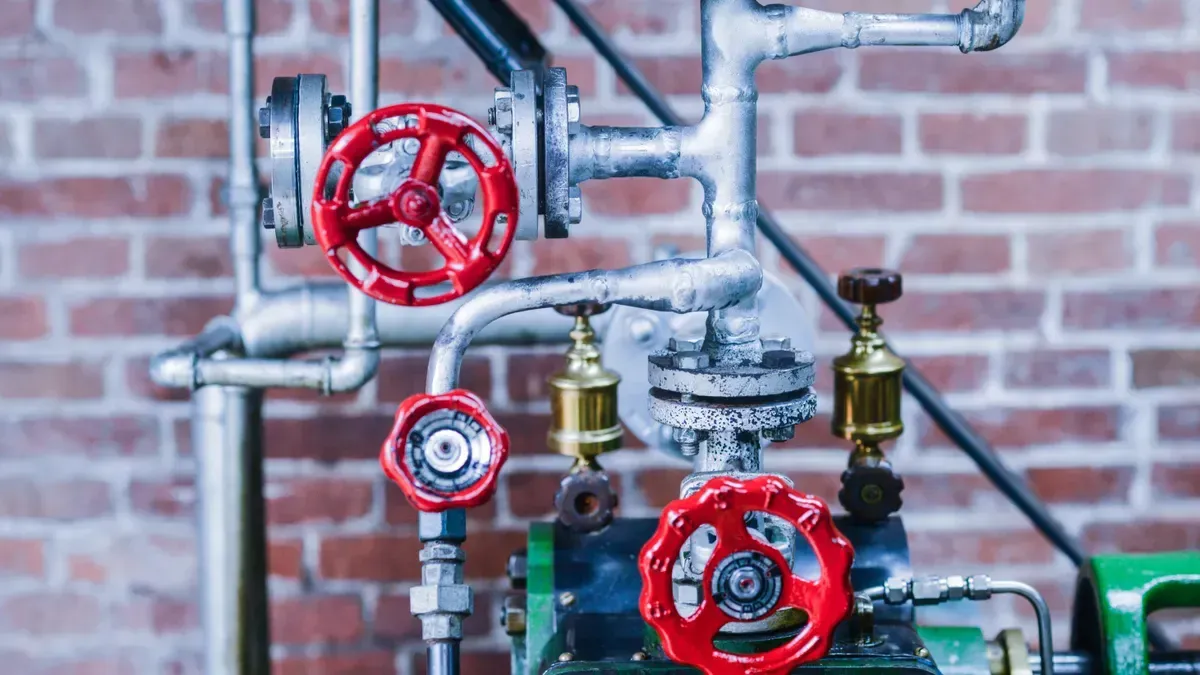
A high pressure ball valve is a special valve. It helps control liquids or gases when the pressure is very high. You see this valve in places where safety matters a lot. It also works well where strong performance is needed. The main job is to open or close fast. It keeps a tight seal even when pressure is extreme.
You can use a high pressure ball valve for many important jobs in an industrial system:
-
Turn the handle to start or stop fluid or gas flow.
-
Change how much the valve is open to adjust flow rate.
-
Control which way the fluid goes and stop backflow.
-
Let out extra pressure to protect the system from harm.
-
Shut off parts of the system for repairs or emergencies.
-
Mix or split flows from different sources.
Most high pressure ball valves work in systems with much higher pressure than standard valves. For example, you may see these valves in ASME Class 600, Class 1500, or Class 2500 systems. These classes show the valve can handle more pressure than regular valves. Standard ball valves usually work in Class 150 or Class 300 systems. These have lower pressure ratings.
Tip: Always pick a high pressure ball valve that matches your system’s pressure class when you need to control high-pressure fluids safely.
Differences from Standard Ball Valves
You might ask how a high pressure ball valve is different from a standard ball valve. The main differences are how much pressure each can handle, how they are made, and where you use them. The table below shows some key differences:
|
Feature |
High-Pressure Ball Valves |
Standard Ball Valves |
|---|---|---|
|
Pressure Capacity |
Up to 500 psi and above |
Up to 200 psi |
|
Design Focus |
Built for high durability and pressure resistance |
Designed for lower pressure use |
|
Common Applications |
Oil and gas sector, backpressure control |
Household equipment like toilets and sinks |
|
Flow Characteristics |
Allows continuous fluid flow |
Operates under gravity flow |
High pressure ball valves use stronger materials and thicker walls. These features help the valve last in tough conditions. Standard ball valves work well in homes or light jobs. They cannot handle the same stress.
Here is a quick look at how pressure classes compare:
|
Valve Class |
Typical Pressure Rating |
|---|---|
|
Class 150 |
Up to 285 psi |
|
Class 300 |
Higher than Class 150 |
|
Class 600 |
Higher than Class 300 |
|
Class 1500 |
Significantly higher |
|
Class 2500 |
Highest pressure rating |
Pick a high pressure ball valve when your system needs to handle very high pressures. These are found in oil and gas pipelines or power plants. Standard ball valves are best for simple, low-pressure jobs.
How High Pressure Ball Valve Works
Operating Mechanism
You use a handle or actuator to control the high pressure ball valve. Inside, there is a round ball with a hole in the middle. When you turn the handle, the ball spins. If the hole matches up with the pipe, fluid can move through. If you turn the ball sideways, the solid part blocks the flow. This stops the fluid completely. This simple movement lets you start or stop flow very fast. Fast action is important in high pressure systems.
The ball fits tightly inside the valve body. This design keeps the ball steady, even with high pressure. You only need to turn the handle a quarter turn to open or close it. This makes the valve easy to use. It also helps you act quickly in emergencies. Quick movement lowers the chance of leaks or sudden pressure changes. You get good control over the flow. This keeps your system safe.
Engineers make high pressure ball valves for tough jobs. They use strong materials and special shapes. This helps the valve work well under stress. The table below shows the main ideas that help these valves work in high pressure places:
|
Principle |
Description |
|---|---|
|
Materials |
Industrial-grade materials like stainless steel and special alloys are used for their tensile strength and corrosion resistance, essential for high-pressure environments. |
|
Body |
The valve body is engineered to withstand extreme conditions, serving as the primary pressure-containing component. |
|
Internals |
Internal components like the valve seat and disc are designed based on the valve type, ensuring proper function under pressure. |
|
Seals and Gaskets |
Sealing elements are crucial for preventing leaks, made from materials like PTFE and graphite that maintain a tight seal under high pressure. |
|
End Connections |
Secure attachment methods such as threaded, flanged, or welded connections are vital for the integrity of the valve within the piping system. |
Flow Control and Sealing
You need a valve that controls flow and keeps it sealed, even with high pressure. High pressure ball valves do this with two main features: accurate flow control and strong sealing.
First, the ball inside lets you control how much fluid moves through. When the valve is open, the hole lines up with the pipe. Fluid flows easily with little resistance. You can move the handle to let more or less fluid pass. This keeps the flow steady and helps your equipment last longer.
Second, sealing is very important in high pressure ball valves. These valves use two sealing surfaces to keep fluid inside and stop leaks. The sealing rings are made from strong plastics like PTFE or sometimes metal. These materials keep a tight seal, even with high pressure or in a vacuum.
Here is a table that shows how high pressure ball valves seal well:
|
Feature |
Description |
|---|---|
|
Sealing Surfaces |
High pressure ball valves typically have two sealing surfaces. |
|
Sealing Materials |
They primarily use high-performance plastics for remarkable sealing efficiency. |
|
Leakage Prevention |
These materials prevent leakage even under high-pressure conditions. |
Some key points about sealing in high pressure ball valves:
-
High pressure ball valves use strong metal sealing structures.
-
Regular ball valves often use rubber seals that are not as strong.
-
The sealing parts in high pressure valves are made for better performance.
You get a full seal because the valve uses special plastic rings and two sealing surfaces. This works even in vacuum systems, so you do not have to worry about leaks. The strong seal keeps the fluid where you want it and protects your system from harm.
Note: Always check the valve’s sealing materials and surfaces before using it in a high pressure system. This helps you avoid leaks and keeps your work safe.
With these features, you can trust a high pressure ball valve to give you good flow control and strong sealing, even in tough situations.
Key Features of TANGGONG VALVE Ball Valve Series
Materials and Construction
You want a ball valve that works in hard places. TANGGONG VALVE uses strong metals like stainless steel, duplex steel, and Inconel. These metals do not rust and can handle chemicals. The seats are made from PTFE, RPTFE, Nylon, or PEEK. These seat materials help the valve seal tight and work at many temperatures. The ball inside can be SS304, SS316, or Inconel 625. This means the ball valve can handle high pressure and very hot or cold places.
Pressure Ratings and Standards
You need a ball valve that is safe and high quality. TANGGONG VALVE ball valves follow rules from around the world. You can use them for important jobs. The valves meet API 6D, API 608, and ISO 17292. These rules show the valve can take high pressure and tough use. The valves also pass tests for fire safety and stopping leaks. Here is a table that lists some main certifications:
|
Certification/Standard |
Description |
|---|---|
|
ISO 9001 |
Quality management system standard |
|
ISO 14001 |
Environmental management system standard |
|
ISO 45001 |
Occupational health and safety management |
You can use these ball valves in oil and gas, power plants, and chemical factories. There are many pressure classes, so you can pick the best one for your system.
Safety and Reliability
You want a ball valve that keeps your system safe. TANGGONG VALVE adds fire-safe design and anti-static devices. These features help if there is a fire or static electricity. You can pick manual, electric, pneumatic, or hydraulic actuation. This lets you open or close the valve how you want. The strong body and tight seals stop leaks, even with high pressure. You get a ball valve that works when you really need it.
Tip: Always check the certifications and safety features before you pick a ball valve for your project.
Applications of High Pressure Ball Valve
Industrial Uses
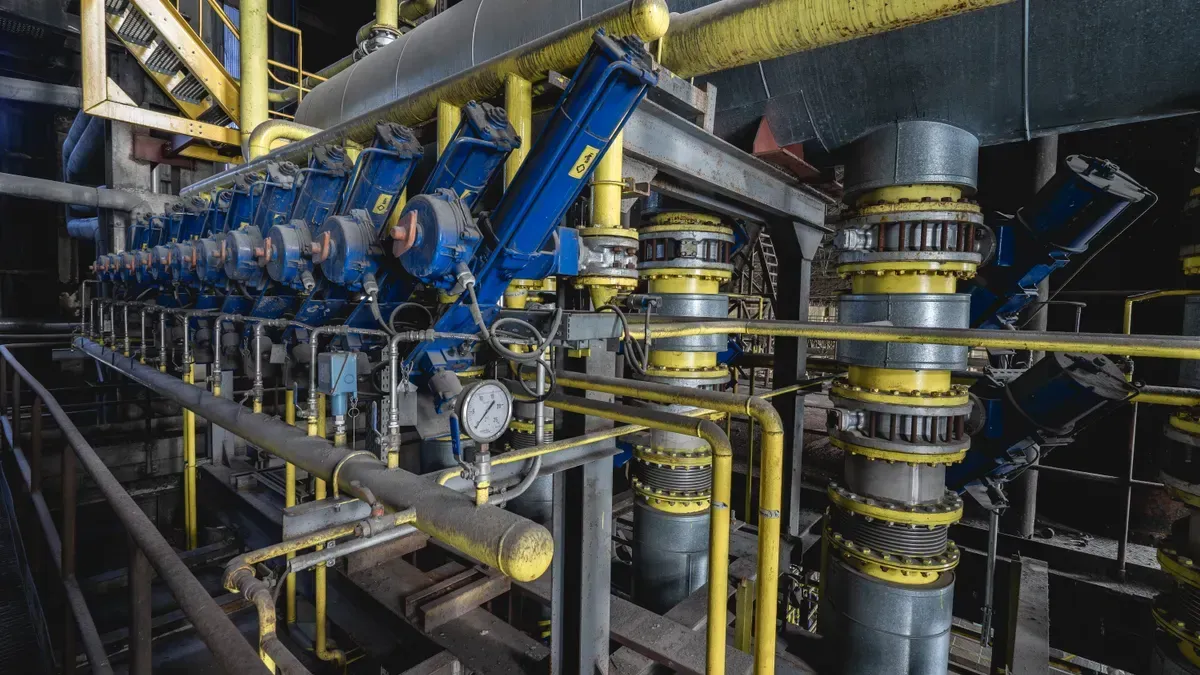
High pressure ball valves are used in many industries. These valves help control fluids and gases where strong performance is needed. TANGGONG VALVE works with oil and gas, petrochemical, power plants, marine, and water systems. You use these valves to manage flow, protect machines, and keep things safe.
Here is a table that shows where high pressure ball valves are used:
|
Industrial Sector |
Application Description |
|---|---|
|
Oil and Gas Industry |
Controls crude oil and natural gas during extraction, refining, and moving. |
|
Chemical Processing |
Handles dangerous chemicals and keeps work safe. |
|
Power Generation |
Controls steam and water in boilers and turbines for good power making. |
|
Hydraulic Systems |
Moves fluid in high-pressure hydraulic machines for safety and good work. |
|
Water Facilities |
Controls water during cleaning and sending it out. |
|
Marine Applications |
Handles ballast water and fuel, and fights saltwater damage. |
You find these valves in oil fields, refineries, and gas stations. They are also in power plants, chemical factories, and ships. High pressure ball valves help your system work well and stay safe.
Tip: Always pick a valve that fits your industry and the pressure you need.
Choosing the Right Ball Valve
You must choose the right ball valve for your job. First, check the highest pressure your system will have. Make sure the valve can handle this pressure. Next, look at the temperature where the valve will work. Pick a valve that works in those conditions. Choose the right material so the valve lasts long and works well. Pick the best connection type to stop leaks. Check how much leakage is allowed and what sizes are available.
Here is a list to help you pick:
-
Highest pressure
-
Working temperature
-
Valve material
-
Connection type
-
Leakage allowed
-
Size choices
You can ask TANGGONG VALVE for help. They have over 30 years of experience and many types of valves. Their products meet ISO9001:2015, CE, TUV, SGS, API 6D, and API 607 rules. You get help and advice for your project. TANGGONG VALVE gives custom solutions and helps you pick the best valve for your needs.
|
Aspect |
Details |
|---|---|
|
Experience |
Started in 1990, with lots of industry knowledge. |
|
Product Range |
Sells many valves like ball valves and gate valves. |
|
Certifications |
ISO9001:2015, CE, TUV, SGS, API 6D, API 607. |
|
Patents |
Has over 20 patents showing new ideas. |
|
Global Reach |
Products are sold in more than 35 countries. |
|
Support |
Gives free advice and custom help for picking valves. |
Note: You can talk to TANGGONG VALVE for expert help and custom answers. This helps you get the right valve for your system and keeps things safe under high pressure.
Benefits of TANGGONG VALVE Ball Valve Series
Advantages in Performance
You want a ball valve that works well under pressure. TANGGONG VALVE ball valves give you strong performance in tough conditions. You can trust these valves to handle high pressure and temperature. The design helps the valve keep working, even when the system faces stress. You get a valve that does not fail when you need it most.
-
The valves can handle extreme pressure and temperature. This means you can use them in many demanding jobs.
-
The strong body and quality materials help the valve last longer. You do not have to worry about quick wear or damage.
-
The tight seal keeps fluid inside the system. You avoid leaks and keep your work safe.
-
The design lets you control fluid flow quickly and easily. You can open or close the valve fast when needed.
These features help you keep your system safe and running smoothly. You get peace of mind knowing your valve will not let you down.
Value for Industrial Operations
You want to save time and money in your work. TANGGONG VALVE ball valves help you do that. The durable design means you do not need to replace the valve often. You spend less on repairs and new parts. The quick operation lets you control fluid flow without delay. This helps your team work faster and safer.
-
The valve works in many places, like oil plants, power stations, and water systems. You can use one type of valve for different jobs.
-
The body design and port type help manage fluid flow and pressure. You get better control over your system.
-
The valve’s strong build means fewer breakdowns. Your machines keep running, and you avoid costly stops.
-
You can trust the valve to handle many types of fluid, from water to chemicals. This makes your work easier and more flexible.
Tip: When you choose TANGGONG VALVE, you get a product that helps your business run better. You save time, lower costs, and keep your system safe.
-
High pressure ball valves let you control or stop flow. You can use them for liquids or gases at high pressures. The rotating ball inside helps shut off flow fast. These valves are made from strong materials. They work well in hard jobs like oil, gas, and power plants.
|
Advantage |
Why It Matters for You |
|---|---|
|
Excellent Sealing |
Stops leaks and keeps your system safe. |
|
Low Pressure Drop |
Fluids move easily, so you save energy. |
|
Easy Maintenance |
You spend less time and money fixing it. |
|
Custom Solutions |
The valve can fit your special needs. |
|
Durability |
It lasts longer in tough places. |
If you need help picking a valve, ask TANGGONG VALVE. Their team can help you choose and install the right one.
FAQ
What makes high-pressure ball valves different from regular valves?
High-pressure ball valves control fluids at much higher pressures. They have stronger bodies and thicker walls. The seals are better than regular valves. These valves last longer in tough places. They help keep your system safe.
How do high-pressure ball valves ensure leak-free operation?
High-pressure ball valves use special sealing materials like PTFE or metal seats. These seals stop leaks, even when pressure is very high. You get reliable shut-off and good protection for your equipment.
Can you automate high-pressure ball valves?
You can automate high-pressure ball valves. You can use electric, pneumatic, or hydraulic actuators. Automation lets you control the valve from far away. It makes things safer in dangerous places.
Where should you use high-pressure ball valves?
Use high-pressure ball valves in oil and gas, chemical plants, power stations, and marine systems. These valves work well in tough jobs. They are best where safety and performance matter most.
Is a high-pressure ball valve a quarter-turn valve?
A high-pressure ball valve is a quarter-turn valve. You turn the handle 90 degrees to open or close it. This quick action helps you control flow fast and safely.