



A flanged butterfly valve controls flow. It turns one-quarter way. It has end flanges. These flanges bolt to pipe flanges. You use this valve often. It controls fluid and gas. It also controls slurry flow. It works in pipelines. The flanged structure gives stability. It handles tough conditions well. TANGGONG VALVE makes good valves. They help manage fluids. They serve global markets.
Key Takeaways
-
A flanged butterfly valve turns around. It controls liquid and gas in pipes.
-
Strong end bolts create tight connections. They stop leaks during high pressure.
-
Double flanged types give good support. They are safer than wafer valves.
-
Power units use air, power, or water. They turn the inner valve stems safely.
-
Factories use these trusted valves everywhere. They work in water, oil, and power plants.
What Is a Flanged Butterfly Valve?
Definition and End Connection Design
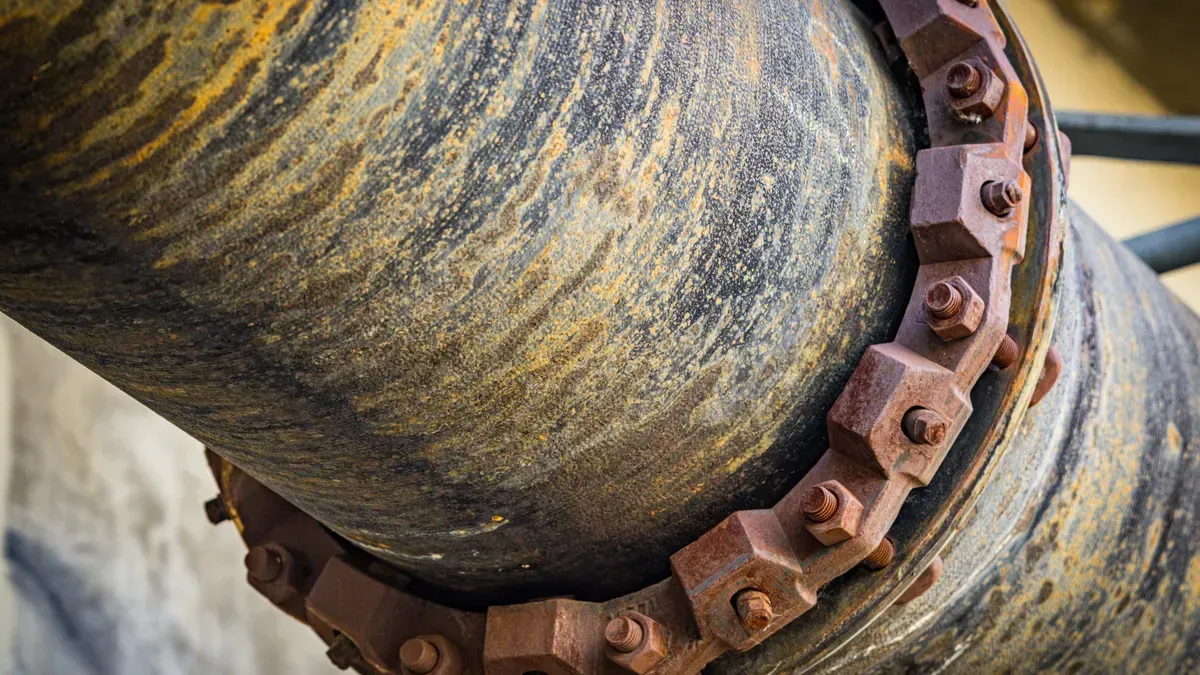
A flanged butterfly valve has strong ends. These ends cast or forge directly. You bolt them to pipes easily. Standard studs and nuts lock them fast. This double flanged design prevents leaks. It builds a very strong joint.
Big pipe systems love this design. The double flanged body stays stiff. High line pressure cannot bend it. Mechanical stresses will not break it. Actuators send power to the disc. This brings high torque power.
TANGGONG VALVE follows top engineering rules. They use API 609 and ASME B16.34. They also use EN 593 rules. API 609 Category B guides these valves. They handle very high pressures well.
You pick flange face types by need:
|
Flange Face Type |
Standard Specifications |
Ideal Operational Scope |
|---|---|---|
|
Flat Face (FF) |
ISO 5752 Series 10 / PN 6–PN 16 |
Low pressure HVAC lines. Stops cast iron stress. |
|
Raised Face (RF) |
API 609 / PN 10–PN 100 |
General chemical plants and industrial pipes. |
|
Ring-Type Joint (RTJ) |
ASME B16.34 / Class 600–900 |
High pressure steam lines and offshore rigs. |
API 609 rules set technical needs:
-
Design Guidelines: Smart specs improve fluid flow. They lower resistance for smooth control.
-
Material & Component Standards: Tough metals make bodies and discs. Seals stay strong for years.
-
Quality & Testing Protocols: API 598 tests check leak safety. No leaks pass factory doors.
Flanged vs. Wafer and Lug Designs
A flanged butterfly valve gives great benefits. It beats wafer or lug styles easily. Tough plant sites need this design.
A wafer valve clamps with long bolts. It is light and small. Yet it needs clamping pressure to hold. Lug valves have threaded bolt holes. They allow single side pipe bolting. But flanged designs offer top strength. They stand strong on their own.
This table shows why flanged designs win:
|
Feature / Aspect |
Flanged / Lug-Style Valves |
Wafer-Type Valves |
|---|---|---|
|
Structural Support |
Direct bolting holds the valve safely. |
It clamps between pipes using sandwich pressure. |
|
Downstream Removal |
You can safely unbolt downstream pipes. |
It falls out if you remove pipes. |
|
Dead-End Suitability |
It works safely in dead-end setups. |
It fails dead-end use without extra bolts. |
Big pipes (DN40 to DN3000) need this. High pressure classes need it too. Double flanged connections make alignment easy. You get huge mechanical strength. Pressure drops stay very low. Dead-end work happens fast. Maintenance work stays safe and smooth.
How a Flanged Butterfly Valve Works
Quarter-Turn Disc Mechanism
A flanged butterfly valve controls liquid. It uses short quarter turns. The disc rotates 90 degrees. This moves the internal disc. It controls the main flow.
Parallel disc positions let fluid move. Rotating the shaft blocks fluid. The disc stops the stream. Its edge seals very tight. Fluid flow stops at once.
Stem and Disc Anatomy
Main parts build the valve:
-
Integrated Flanged Body: Outer body parts have rings. They bolt to pipe ends. Joints stay strong.
-
Central or Offset Stem Shaft: A metal shaft goes through. It turns the inner disc. Power comes from actuators.
-
Internal Disc: A round plate stays inside. It blocks or opens paths.
-
Sealing Seat: Soft or metal seats line walls. They stop all leaks.
Safety Design Note: High line pressures push stems. API 609 rules mandate safety. Stems use step structures. This design prevents blowouts.
Actuation and Flow Regulation
You use levers or gearboxes. Automations turn shafts too. These options control flow steps:
|
Actuator Type |
Operating Speed / Response Time |
Torque Capability / Force Limits |
|---|---|---|
|
Pneumatic |
It moves fast. It turns in two seconds. Fast actions shut lines down. |
Air pressure limits top force. Max output hits 5,000 Nm. |
|
Electric |
It moves very slow. It takes 60 seconds. This sets flow spots best. |
Top torque hits 10,000 Nm. Big gears exceed 65,000 Nm. |
|
Hydraulic |
Fluid moves the unit fast. It works faster than electrics. |
It makes over 50,000 Nm. High pressure drives power. |
Flow control needs basic checks:
-
Narrow Modulation Range: Control ranges stay narrow here. Globe valves handle more.
-
Small Opening Angle Risks: Small opens boost fluid speeds. Fast drops cause cavitation. Wear and shake start.
-
Sizing Considerations: Matching pipe sizes causes errors. Low disc angles lower control. Seals fail over time.
TANGGONG VALVE Flanged Butterfly Valve Types
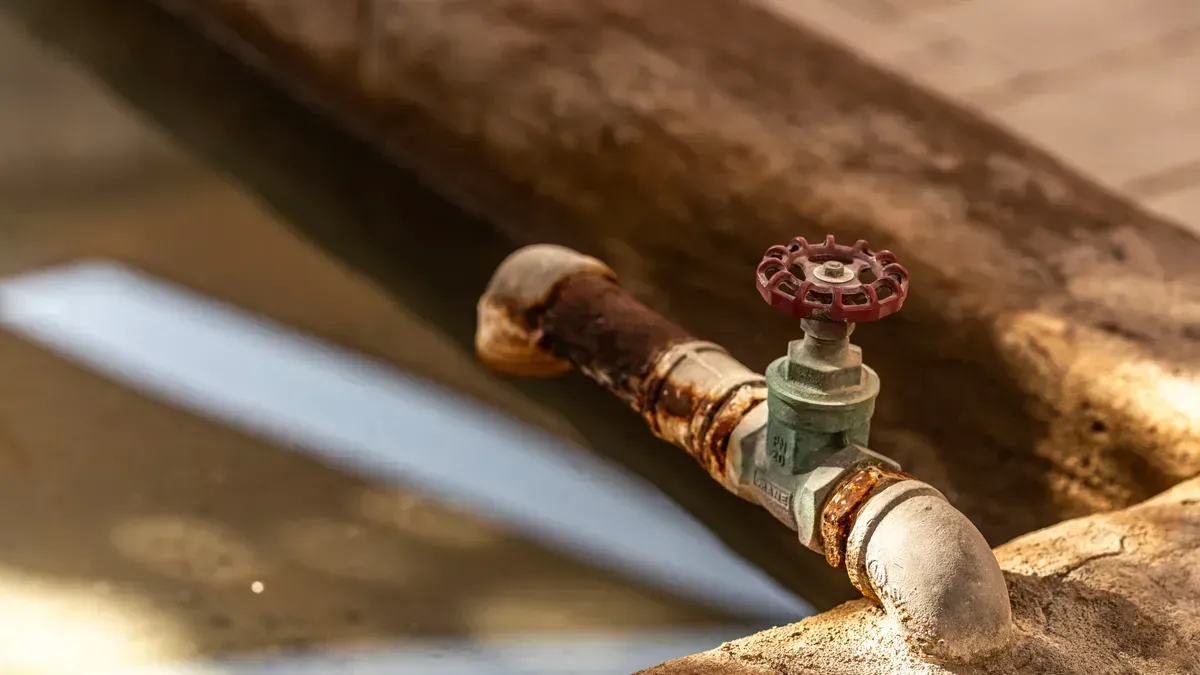
Pick a TANGGONG flanged butterfly valve now. It meets your system needs. TANGGONG VALVE builds reliable units. They use strong metals like WCB. They also use stainless steel. Ductile iron options exist too. Duplex and alloy steels work.
Resilient Soft-Sealed Valves
Soft seats use PTFE or RTFE. EPDM and NBR work too. This flanged butterfly valve stops leaks. It fits low pressure pipes. Match seat materials to chemicals. Check mechanical limits as well. Soft seats need true hardness. Weak seats bend under pressure. Hard seats need high torque. Cold weather cracks hard seats.
High-Performance Double Offset Valves
A double offset butterfly valve handles pressure. It works from Class 150. It reaches Class 600. Pipes connect to heavy bodies. ASME B16.34 sets these rules. Strong metals take higher heat. High working pressures stay safe. These models follow fire standards. They protect critical plant sites.
|
Standard |
Governing Body |
Technical Equivalence |
Key Focus |
|---|---|---|---|
|
API 607 |
American Petroleum Institute (API) |
Baseline standard |
Fire-safe performance and structural integrity of soft-seated valves. |
|
ISO 10497 |
International Organization for Standardization (ISO) |
Technically equivalent to API 607 |
Testing methods and sealing performance under elevated fire conditions. |
Triple Offset Metal-Seated Valves
Triple offset types take heat. They work down to -196°C. They endure up to 650°C. Double flanged bodies stay rigid.
-
Offset Geometry: The shaft sits back. It stays off center. Seat angles stay conical.
-
Friction Elimination: The disc lifts free. It avoids seat friction. Parts do not wear.
-
All-Metal Sealing: Metal seats prevent leaks. They seal tight in harsh tasks.
Flanged designs ensure tight seals. They serve tough factory uses.
Key Applications of the Butterfly Valve
Water and Wastewater Management
You need this valve in city water lines. Big networks use the butterfly valve for control. City rules guide how you set them up:
|
Standard Designation |
Scope & Application |
|---|---|
|
AWWA C504-15 |
Covers rubber-seated butterfly valve specifications |
|
AWWA C516-21 |
Covers large-diameter rubber-seated units (78 inches and above) |
|
AWWA C519-18 |
Governs high-performance waterworks units (3 to 60 inches) |
|
Manual M49 |
Provides guidelines on head loss, torque, and cavitation analysis |
These rules keep water moving in every plant pipe.
Oil, Gas, and Petrochemical Plants
Gas plants need top safety every day. Refineries work with fast catching fuels often. Fire safety protects workers if big fires start. Heat reaches 540°C and ruins soft seals fast. A metal back seat then grabs the disc edge. This metal seal meets API 607 rules. It meets ISO 10497 rules as well. This action stops leaks and keeps pipes safe.
Power Generation and HVAC Systems
Power plants use these valves for hot steam. You bolt a valve straight into the line. This strong link holds pipes still during jumps. A good unit moves big flows with low drops. Air systems use them to control heat well. You guide flow best while keeping pipes safe.
A flanged butterfly valve controls flow. Its inner disc turns 90 degrees. This strong design gives top stability. It stops pipeline leaks under high pressure.
TANGGONG VALVE leads the global valve industry. It has over 36 years of experience. The firm holds over 200 patents. Contact our team today. We provide safe flow control solutions.
FAQ
What is the main benefit of a flanged butterfly valve?
It holds pipes very still. High pressure cannot bend it. You bolt ends to pipes. This link stops fluid leaks. You safely fix lower pipes. Upper pipes keep high pressure.
Can you use a flanged butterfly valve for flow throttling?
Yes, special valves control flow. Soft seats help manage it. Double offsets work well too. Do not open them slightly. Fast fluids cause bad damage. Pipes shake and wear out.
How do you select the correct seat material for your valve?
Pick seats using fluid types. Check line heat levels too. Soft PTFE stops cold leaks. Soft EPDM seals fluid tight. Metal seats take high heat. They stand six hundred degrees. They fight harsh fluid chemicals.
What is the difference between double offset and triple offset designs?
Double offsets cut seat rubs. Turning parts rubs much less. Triple offsets drop all rubs. Cone angles seal parts clean. Use them for high heat. They block all plant fires. Zero leaks pass these seals.