



A 4 way ball valve helps you control and redirect the flow of liquids or gases between four different ports. You can use it for tasks like switching lines, diverting flow, or changing processes in a system. When you turn the handle, the ball inside rotates and either opens or blocks the flow depending on its position.
|
State |
Description |
|---|---|
|
Open State |
The ball lines up with the ports and lets fluid move through easily. |
|
Closed State |
The ball turns to block the ports and stops the flow completely. |
Understanding how this valve works helps you make safe and efficient choices in factories and plants. TANGGONG VALVE’s ball valve series gives you reliable solutions for tough industrial jobs.
Key Takeaways
-
A 4 way ball valve moves liquid or gas between four ports. It helps control flow in complicated systems. The valve’s design means you do not need many valves. This makes the system simpler and helps stop leaks. You should check for leaks and clean the valve often. This keeps the valve safe and working well. Picking the right materials for the valve is important. The material depends on what fluid goes through it. TANGGONG VALVE has strong and safe options. Their valves have good materials and certifications. This makes them safe and long-lasting for factories.
Features of 4 Way Ball Valve
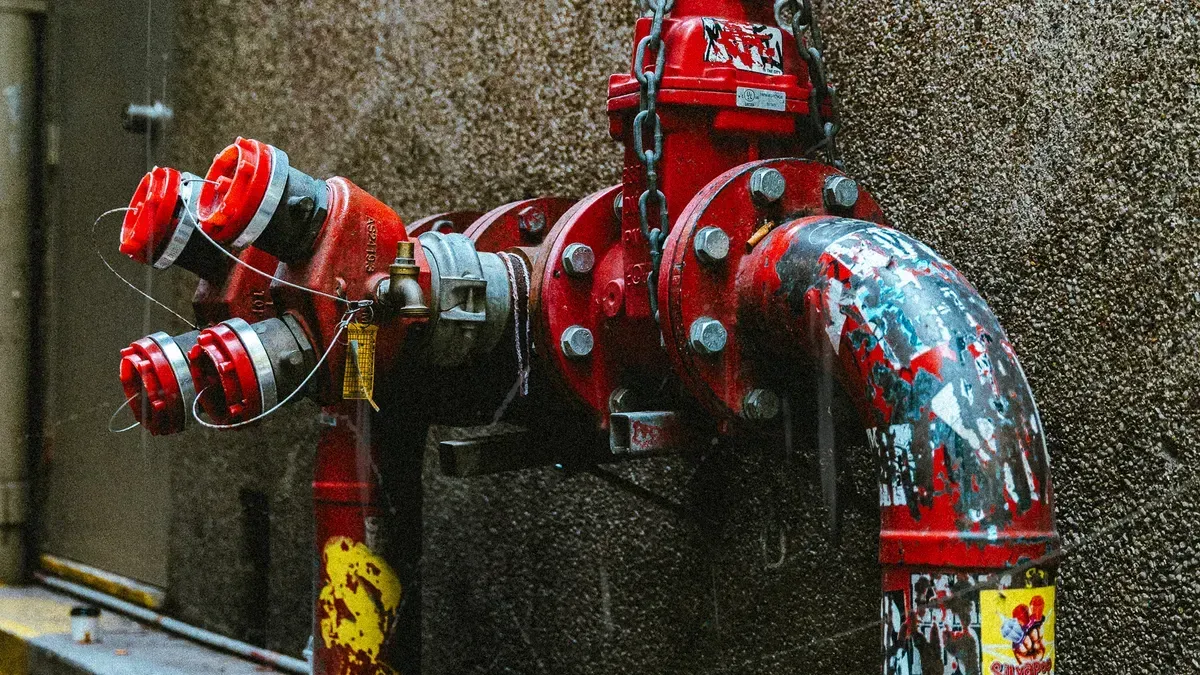
Four-Port Design Overview
A 4 way ball valve has four ports to control flow. Two ports are for inlets, and two are for outlets. This setup lets you move fluid in different directions. You can switch the flow between lines or mix streams. The four-way design makes it easy to handle many types of fluids and channels.
Here are some ways the four ports help your system:
-
You can send fluid to different parts of your process.
-
It is easy to switch or mix flows as needed.
-
One valve with four ports means you need fewer valves. This lowers leaks and makes your system simpler.
-
You can control how much fluid moves and where it goes.
|
Feature |
4-Way Ball Valve |
Other Multi-Port Valves |
|---|---|---|
|
Port Configuration |
Four ports (two inlets, two outlets) |
Varies (e.g., three ports for 3-way) |
|
Operational Flexibility |
Can send flow in two directions |
Limited to certain directions |
|
Pressure Suitability |
Made for high-pressure jobs |
Usually for lower pressure |
Key Components and Materials
Inside a 4 way ball valve, there are important parts. The ball turns to open or close the flow paths. Seats keep the ball in place and seal the valve. The body holds all four ports and keeps everything together. Stems and handles help you turn the ball.
TANGGONG VALVE uses strong materials for these valves. You can pick stainless steel, carbon steel, or low-temperature carbon steel. These materials are tough and last a long time.
|
Material |
Specification |
|---|---|
|
A351 CF8m |
Stainless steel grade |
|
A216 Wcb |
Carbon steel grade |
|
A352 Lcb/Lcc |
Low-temperature carbon steel |
TANGGONG VALVE Ball Valve Series Highlights
If you choose a ball valve from TANGGONG VALVE, you get quality and safety. The company checks every valve with strict tests and advanced labs. These valves have important certifications.
|
Certification |
Description |
|---|---|
|
API 6D |
Standard for pipeline valves |
|
API 607 |
Fire-safe valve standard |
TANGGONG VALVE is known for its experience and safety focus. You get solutions made for your industry. The company works with labs to make sure every valve is reliable. They also care about the environment and sustainability.
Tip: If you need a valve for high-pressure or tricky flow systems, a 4 way ball valve from TANGGONG VALVE gives you flexibility and reliability.
Working Principle of Four-Way Ball Valve
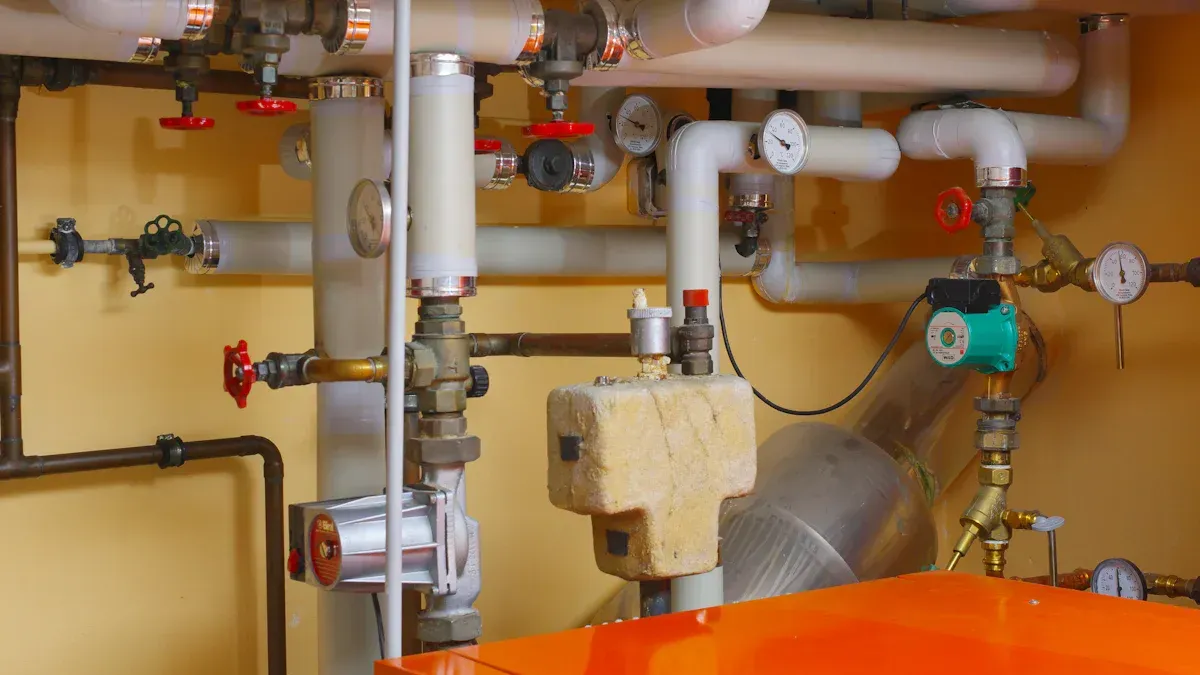
Ball Rotation and Flow Direction
You control the four-way ball valve by turning its handle. This action rotates the ball inside the valve. The ball has a special bore, shaped like an "L" or a "T". When you turn the handle, the ball lines up its bore with different ports. This alignment lets you choose which pipes connect and where the fluid goes. You can send liquid or gas in many directions. The ball rotation gives you precise control over the flow path. You can switch, mix, or stop the flow with one simple movement.
The working principle of the four-way ball valve centers on this rotation. The ball acts as the main control part. When you move the handle, the ball turns and opens or blocks certain ports. This lets you change the flow direction quickly. You do not need to use many valves. You only need to turn the ball to get the flow you want.
Tip: Always check the position of the handle before you operate the four-way ball valve. This helps you avoid mistakes and keeps your system safe.
X-Port vs I-Port Configurations
You can find two main types of four-way ball valve configurations: X-port and I-port. Each type has a different flow pattern.
-
X-port: The ball has a cross-shaped bore. When you turn the ball, it connects opposite ports. This means you can switch the flow from one pair of ports to another. You can use this for reversing flow or switching between two circuits.
-
I-port: The ball has a straight bore. When you rotate the ball, it connects two ports in a straight line. This setup lets you direct flow from one side to the other without mixing.
Both X-port and I-port designs give you flexibility. You can choose the right type based on your system needs. The ball shape and rotation decide how the fluid moves. You get more options for controlling complex processes.
|
Feature |
Impact on Efficiency |
|---|---|
|
Precise flow control |
Ensures fluids are directed correctly, enhancing system performance. |
|
Reduction of multiple valves |
Simplifies the system and reduces potential issues, leading to increased reliability. |
|
Simultaneous operations |
Optimizes resource and time usage in industrial settings. |
Comparison with Other Ball Valves
You may wonder how a four-way ball valve compares to other types. Here is what you need to know:
-
Four-way ball valves let you route flow in many directions. You can send hydraulic fluid to different cylinders or parts of your system. This supports complex machine movements.
-
Two-way ball valves only start or stop the flow. You cannot change the direction or mix streams.
-
Three-way ball valves let you divert or combine flows, but they have limits. You cannot achieve the same level of control as with a four-way ball valve.
TANGGONG VALVE offers all these types. You can pick the right valve for your job. If you need simple on-off control, choose a two-way ball valve. For basic mixing or diverting, use a three-way ball valve. If your system needs advanced routing, the four-way ball valve is the best choice.
The working principle of the four-way ball valve gives you more control and saves space. You do not need to install many valves. One four-way ball valve can do the work of several. This makes your system easier to manage and more reliable.
Note: TANGGONG VALVE’s ball valve series includes many options for different pressures, temperatures, and flow needs. You can trust their products for safe and efficient operation.
Applications and Advantages
Industrial Uses of 4 Way Ball Valve
A four-way ball valve is used in many industries. Oil and gas plants use it to switch pipelines and control flow between tanks. In petrochemical factories, this valve helps mix or move chemicals safely. Power stations use it to control cooling water and steam. Water treatment plants use the valve to send clean water or waste where it needs to go. The four-way design lets you do hard flow jobs with just one valve. This makes your system safer and helps it work better.
Benefits of TANGGONG VALVE Ball Valve Series
If you pick a TANGGONG VALVE ball valve, you get many good things:
-
The valve has strong metal seals that last a long time.
-
Special plastic rings and two sealing surfaces give a full seal.
-
The valve works well in vacuum systems and stops leaks.
-
It can handle high pressure and high heat jobs.
-
The valve seals tightly to keep leaks from happening.
-
The design keeps the ball still for a strong seal.
-
You can use the valve with many kinds of fluids.
TANGGONG VALVE uses stainless steel, duplex steel, and Inconel. These metals do not rust and can handle chemicals. The seats are made from PTFE, RPTFE, Nylon, or PEEK for tight seals. The strong body and tight seals stop leaks, even when pressure is high, so the valve works when you need it.
|
Certification Type |
Purpose |
Industry Applications |
|---|---|---|
|
CNAS-accredited testing |
Makes sure the valve is safe and controls emissions |
Oil & gas, petrochemical, power generation |
|
National High-Tech Enterprise |
Shows the company uses new technology and smart ways to make valves |
Chemical processing |
|
Specialized and Innovative |
Means the company focuses on special solutions and new ideas |
Many global projects that need to follow rules |
The strong body and tight seals stop leaks, even when pressure is high, so the ball valve works well when you need it.
Selection and Maintenance Tips
Here are steps to pick the right four-way ball valve:
-
Know if you will use gas, liquid, or slurry. This helps you pick the right material.
-
Choose the best body and seat material for your area.
-
Check the pressure and temperature your system needs.
-
Decide if you want to turn the valve by hand or use a machine.
-
Make sure the valve meets ISO or API rules.
For maintenance, you should:
-
Check the valve often for leaks or worn seals.
-
Keep the valve clean and put oil on moving parts.
-
Test the valve to see if it holds pressure.
-
Change old or broken parts fast.
You may have problems like leaks, rust, or stress from putting the valve in. Always follow the maker’s instructions for the best results. TANGGONG VALVE can help you choose and take care of your valve.
You now know that a 4 way ball valve lets you control flow in many directions with one valve. This makes your system safer and easier to use. TANGGONG VALVE’s ball valve series gives you strong, reliable options for tough jobs. Always check your system needs before choosing a valve. Keep your valve clean and test it often for best results.
Want to learn more? Visit TANGGONG VALVE’s official website for expert help and product details.
FAQ
What is the main use of a 4 way ball valve?
You use a 4 way ball valve to control and switch the flow of liquids or gases between four different pipes. This helps you manage complex systems with fewer valves.
How do you know which port is open?
You check the handle position. The handle points to the open ports. Always follow the diagram on the valve or ask your supplier for guidance.
Can you use a 4 way ball valve for both liquids and gases?
Yes. You can use a 4 way ball valve for liquids, gases, or even slurries. Make sure you choose the right material for your fluid type.
How often should you maintain your 4 way ball valve?
You should inspect your valve every few months. Look for leaks, clean the parts, and replace worn seals. Regular checks keep your system safe.
Where can you get help choosing the right valve?
You can contact TANGGONG VALVE’s engineering team for free advice. Visit TANGGONG VALVE’s official website for support and product details.