



You sandwich a wafer butterfly valve between pipe flanges. This helps water flow without stopping. On the other hand, a lug type butterfly valve uses threaded lugs. These lugs let you disconnect one side easily. They also allow for dead-end service. Industry research shows butterfly valves will grow fast. They will capture 26.2% of the market by 2026. Picking the right valve design protects your system pressure. It also protects your piping layout and maintenance schedule. TANGGONG VALVE makes industrial valve solutions. These top products support your critical fluid systems worldwide.
Key Takeaways
-
Wafer butterfly valves squeeze between pipe flanges. They save space in pipe systems. They also cost less money.
-
Lug type butterfly valves use threaded inserts. They let you fix pipes safely. You can disconnect pipes easily.
-
Do not use wafer valves at line ends. Removing lower pipes causes bad leaks. This is very dangerous.
-
Pick the right valve for your system. Think about your pipe pressure needs. Consider your budget and maintenance plans.
Overview of Wafer Butterfly Valve Design
Sandwich-Style Mounting Mechanics
You put this valve between two pipe flanges. Long bolts go around the valve body. They clamp the pipe line very tightly. This setup makes valve connections very easy. The valve rim guides the long bolts. This helps you center the disc easily.
Advantages in Space-Constrained Systems
These valves have great advantages for small rooms. Their thin shape needs very little space. Their light body needs less pipe support. This design saves you money during construction.
Wafer-style butterfly valves fit into tiny spaces. Gate valves need 12 to 18 inches. That space is for the valve stem. This makes wafer valves great for HVAC lines.
Water networks and HVAC systems use these valves. Operators like these compact valves very much. They cut total weight and lower buying costs.
Operational Limitations in Piping Lines
Engineers must check all system requirements first. These valves have limits during system maintenance. They need equal pressure from both pipe flanges. This pressure keeps the inner seal safe. Unhooking the downstream pipe removes this tension. That action causes fluid to leak out. So, you cannot use them for dead-end service.
|
Design Aspect |
Wafer Valve Mechanism |
Requirement for Dead-End / Disconnect Service |
|---|---|---|
|
Flange Bolting |
Clamped between flanges using long bolts |
Needs threaded lugs for single flange connection |
|
Sealing Mechanism |
Needs pressure from both pipe flanges |
Must seal without downstream support |
|
Failure Risk |
Removing one side causes big leaks |
Needs strong body to stop total failure |
Remember these limits during any line repairs. Engineers must compare all key characteristics and advantages. They must check their layout before buying valves.
Overview of Lug Type Butterfly Valve Design
Threaded Lug Mechanics and Bolt Configurations
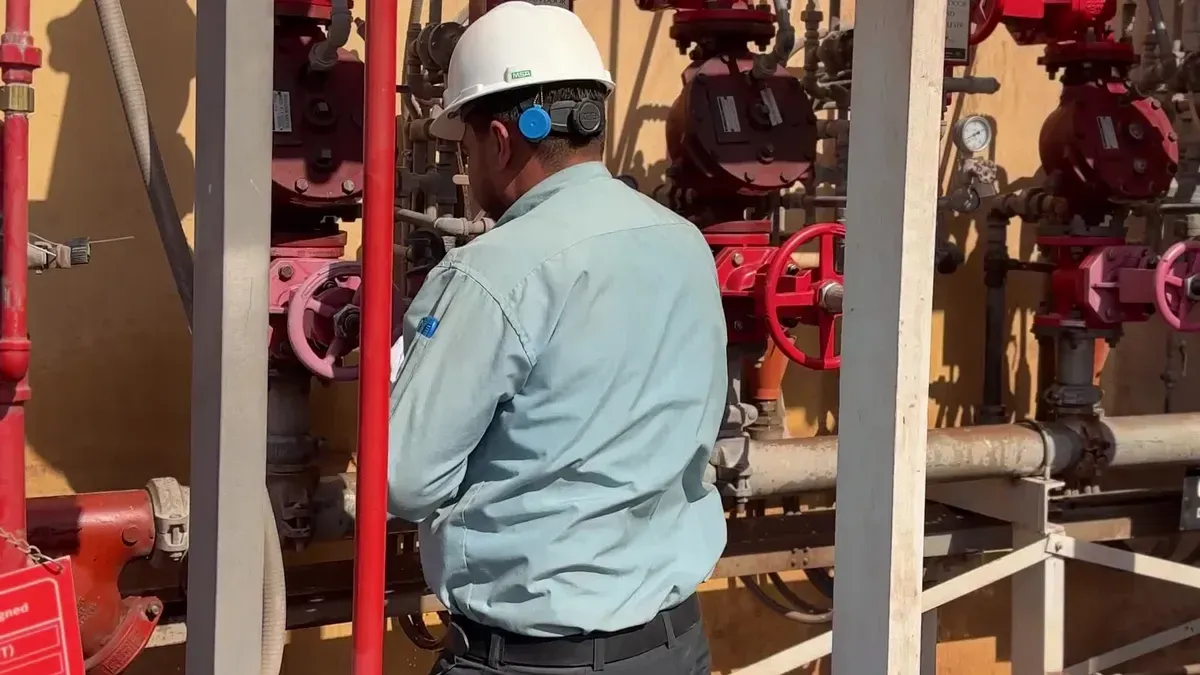
A lug type butterfly valve has strong metal lugs. These solid lugs circle the outer valve casing. Threaded inserts take short bolts from both sides. You skip long through-bolts used in wafer butterfly valve setups. Independent bolts attach separate pipe flanges directly instead. This tough design builds strong structural strength. Heavy industrial pipelines benefit from this design.
Structural lugs offer key characteristics and advantages. Technicians align pipe flanges fast and accurately. You mount a lug-style butterfly valve very safely. It needs no clamping force from opposing flanges.
Dead-End Service in Lug Style Butterfly Valves
Engineers choose a lug butterfly valve for dead-end uses. Threaded connections hold system pressure safely. They work without downstream piping attached.
                          ┌────────────────────────┐
                          │ UPSTREAM (Under Press) │
                          └───────────┬────────────┘
                                      ▼
                        [===== LUG VALVE (CLOSED) =====]
                                      │
                         (Downstream Pipe Removed)
                                      ▼
                          ░░░ DEAD-END SERVICE ░░░
Standard industrial ratings show key characteristics and advantages:
-
Standard Compliance: Follows ANSI B16.5 rules for Class 150 pressure and temperature setups.
-
Pressure Specifications: Handles working pressure levels up to 200 psig. Supports 285 psig (ANSI Class 150) ratings for dead-end uses.
The table below shows normal pressure limits:
|
Installation Configuration |
Maximum Pressure Rating |
|---|---|
|
Dual-Flange (Both Ends Flanged) |
1,000 kPa (150 psi) |
|
Dead-End Service |
520 kPa (75 psi) |
Downstream Disconnect and Maintenance Advantages
These lug style butterfly valves give big repair benefits. Disconnect downstream piping safely while keeping full upstream pressure.
-
Independent Threaded Mounts: Threaded inserts let short bolts attach separate flanges independently.
-
Unilateral Pressure Containment: Direct bolting lets the body hold full upstream line pressure.
-
Downstream Disassembly: Mechanics unbolt downstream pipes while closed valves stop upstream flow.
These features make fluid systems easy to fix. Do not stop your main process line for fixes. Water plants and oil factories use these reliable butterfly valves. Learning these installation and maintenance requirements stops costly downtime.
Wafer vs Lug Butterfly Valve: Key Differences
Comparing industrial valves takes work. You must learn basic mechanical traits first. Look closely at structural body styles. They change system performance fast. They impact user safety and workflows. Engineering teams check key differences carefully. This prevents sudden line failures. It stops expensive operational downtime.
Structural Attachment and Flange Alignment
Each valve body mounts very differently. A wafer butterfly valve sits directly between flanges. It lacks built-in threaded mounting points. Long continuous studs pass through both flanges. They clamp the valve body tight. You must center it by hand. Bad placement pinches the soft seat. It binds the rotating disc inside.
A lug type butterfly valve uses metal lugs. These lugs have accurate machined threads. Tapped holes match standard flange patterns. You bolt each flange independently. Short bolts enter from both sides. Threaded lugs guide bolts right into place. This design aligns itself automatically.
Tip: You can mount a lug-style butterfly valve to a single flange first before attaching the second pipe section. This feature simplifies heavy piping installations and prevents valve slipping during initial setup.
The table below shows structural connection details:
|
Feature / Aspect |
Wafer Connection (Through-Bolts) |
Lug Connection (Threaded Inserts) |
|---|---|---|
|
Centering Requirement |
Center the valve manually before tightening bolts. |
Threaded holes make the valve self-centering. |
|
Ease of Alignment |
Alignment takes careful physical handling. |
Alignment stays simple without shifting around. |
|
Bolting Characteristics |
Long bolts go through everything. |
Short bolts thread into the body. |
Pressure Handling and Mechanical Integrity
Piping systems face huge mechanical forces. They experience sudden pressure spikes too. Pick valve hardware that resists stress. It must keep its tight seal.
Wafer valves depend on external clamping force. Vibration puts strain on long bolts. Heat makes these long studs stretch. Stretched bolts lower outer flange pressure. They increase leak risks very quickly. Do not use them for dead-end lines. Removing downstream pipes releases vital tension. That causes component shifts or leaks.
A lug butterfly valve spreads heavy loads. It uses sets of shorter bolts. Threaded inserts create a solid bridge. Two bolt sets handle heat expansion. This design offers great line isolation. Disconnect downstream pipes under full pressure. Keep a tight seal upstream.
WAFER STYLE (DEPENDENT LOAD):
[Flange A] === Long Bolt ===> [Wafer Valve] === Long Bolt ===> [Flange B]
(Removing Flange B releases compression on the valve seat!)

LUG STYLE (INDEPENDENT LOAD):
[Flange A] -- Short Bolt --> [Lug Valve Body] <-- Short Bolt -- [Flange B]
(Removing Flange B leaves Flange A securely anchored to the valve!)
The table below shows system stress responses:
|
Parameter |
Wafer Style Valve |
Lug Style Valve |
|---|---|---|
|
System Isolation Capability |
Needs both flanges attached tight. |
Enables safe dead-end service. |
|
Thermal Expansion Impact |
Heat stretches extended through-bolts easily. |
Heat expansion spreads across shorter bolts. |
|
Structural Rigidity & Line Stress |
Relies entirely on outer bolt tension. |
Works as a rigid self-contained component. |
Weight, Footprint, and Cost Analysis
Physical size changes project costs. Weight affects shipping fees as well. Lighter designs cut material mass down. That lowers total shipping expenses.
A wafer butterfly valve has a thin profile. It uses very little metal material. This compact shape fits tiny places. Fewer raw materials cut initial costs. Use them in HVAC systems. Commercial water lines use them too.
A lug-style butterfly valve needs extra metal. The metal forms sturdy threaded lugs. Extra alloy increases total body weight. It raises the initial purchase price. Heavy mass adds strong structural stability. Factories save money on quick repairs. They avoid long system shutdowns.
Below is a detailed engineering comparison:
-
Wafer Type Valve Characteristics:
-
Features a smooth body profile.
-
Pinches tight between pipe flanges.
-
Low mass cuts valve costs.
-
Needs accurate manual centering steps.
-
Fails end-of-line isolation service tasks.
-
-
Lug Type Valve Characteristics:
-
Uses outer threaded metal lugs.
-
Secures independently with short bolts.
-
Heavier body increases shipping fees.
-
Self-centering lugs speed up setups.
-
Permits full downstream pipe removal.
-
Engineers must check upfront budgets carefully. Balance costs against long-term operating needs. Wafer models save money on simple lines. Lug valves add key characteristics and advantages. They bring safety to complex pipelines. Proper butterfly valves maximize total system lifespan.
Selection Guide for TANGGONG Butterfly Valves
Choosing valves sets your system safety. Check your fluids, pressures, and spaces first. TANGGONG VALVE builds good valves in China. Sizes range from DN40 to DN3000. Facilities make ratings up to Class 600. This guide helps buyers select fast.
Evaluating Dead-End Service and Isolation Needs
System needs decide your valve connections. A wafer butterfly valve fits continuous flows. Both sides need equal flange clamping force. Never use them at line ends. Removing end pipes drops all system pressure.
A lug type butterfly valve uses threaded inserts. Short bolts attach pipe flanges directly. This setup allows safe dead-end service. Operators fix end pipes without stopping pumps.
TANGGONG lug butterfly valve units hold pressure safely. Engineers pick them for pumps and tanks.
Your maintenance plans guide your valve choice. Continuous lines use light wafer valves. End points need strong lug support.
CONTINUOUS PIPELINE FLOW:
[Upstream Pipe] === (Wafer Valve) === [Downstream Pipe] -> Continuous Flow

TERMINAL / DEAD-END ISOLATION:
[Upstream Pipe] === (Lug Valve) ===| [Disconnected Line / Service Zone]
Matching Pressure Ratings and Material Specifications
High pressure demands strict design compliance. TANGGONG models meet API 609 rules. Category A covers simple low-pressure setups. Category B covers offset models for Class 600.
|
Factor / Certification |
Impact on Valve Selection |
Application & Design Scope |
|---|---|---|
|
API 609 Category Selection |
Determines valve geometry based on pressure demands. |
Category A (concentric) for low pressure; Category B (offset) for high pressure/temperature up to Class 600. |
|
Pressure-Temperature Rating |
Dictates alignment with system demands. |
Ensures the valve matches ANSI Class 150 to 600 Cold Working Pressure and thermal limits. |
|
CE & Jurisdictional Marking |
Mandates legal and regional safety compliance. |
Required for international market access, volatile environments (ATEX), and safety standards. |
|
Quality & Manufacturing Protocols |
Verifies standardized design and testing. |
Requires adherence to strict API design rules, documentation, and the API Monogram Program. |
Match body metals directly to your fluids. We offer steel, stainless, and Duplex. Soft EPDM seats stop water leaks. PTFE seats resist harsh chemical corrosion. Metal seats handle heat to 650°C.
|
Material |
Operating Conditions & Application Criteria |
|---|---|
|
CF8M (Cast SS316) |
Suitable for cryogenic processes down to -196°C, exposure to dilute/organic acids, alkalis, food/pharma processing, water treatment, marine utility, and applications requiring chloride pitting resistance. |
|
Duplex SS (Duplex 2205) |
Required for high-yield strength needs (~2x that of 316), elevated chloride pitting resistance (PREN ~35), prevention of Chloride Stress Corrosion Cracking (Cl-SCC) in hot seawater/chlorides, and NACE MR0175 compliant sour gas service. |
These material choices serve specific industry jobs. Food plants choose clean stainless bodies. Offshore rigs use Duplex to stop rust.
Budget Optimization and Operational Longevity
Valve picks affect long-term plant budgets. Wafer valves save money up front. A lug-style butterfly valve cuts maintenance costs.
Easy repairs cut system downtime by half. That saves big labor money over time. Following ISO standards makes part fixes fast. Techs replace inner parts without delays.
Review key traits across basic setup sites:
-
HVAC and General Water Networks:
-
Deploy wafer designs with EPDM seats.
-
Minimize structural pipe weight.
-
Lower upfront purchasing expenses.
-
-
Petrochemical and Energy Plants:
-
Install triple offset metal-seated lug valves.
-
Ensure full dead-end isolation safety.
-
Meet stringent fire-safe standards.
-
-
Chemical Processing Lines:
-
Select PTFE-lined stainless steel bodies.
-
Protect metal components against aggressive media.
-
Create reliable ideal application scenarios for acid handling.
-
TANGGONG butterfly valves deliver lasting flow control globally.
Pick the right valve style. It gives your pipe system best performance.
You must check dead-end service needs. Review piping layouts and project budgets carefully.
A wafer design stays compact. It saves money for smooth continuous flow.
A lug butterfly valve brings structural independence. It gives safe downstream isolation.
Key Takeaway: Match valve geometry to your pressure needs and plans.
TANGGONG VALVE makes strong butterfly valves. They work for global energy and fluid systems.
Trust our engineering skills. Get long-lasting flow control solutions today.
FAQ
What is the primary difference in wafer vs lug vs flange connections?
Wafer valves sit tight between pipe flanges. A lug type butterfly valve bolts into flanges directly. It uses threaded inserts for these connections. Flanged valves have double full-face flanges. These bolt straight to the pipe ends. Pick designs based on system isolation needs. Your piping layout also guides this choice.
Can you use wafer style butterfly valves for dead-end service?
⚠️ Warning: Never use wafer valves for dead-end service!
No, you cannot use these valves there. They need equal pressure from both pipe flanges. This compression holds internal seals tight. Unbolting downstream pipes releases all clamping force. That action causes quick fluid leaks. It leads to total system failure.
How to choose the right valve connection for your piping layout?
Check your total system pressure first. Review maintenance schedules and budgets next. This helps you choose the right valve connection. Pick wafer bodies for basic continuous flows. Select lug options for dead-end service tasks. Use flanged designs for large heavy-duty lines.
Are industrial butterfly valves suitable for high-pressure applications?
Yes, high-performance butterfly valves work well here. They handle high working pressures up to Class 600. TANGGONG VALVE builds double and triple offset models. These metal-seated units keep tight seals always. They work in hot steam lines. Energy plants use them for heavy processing.