



Selecting the right valve material is crucial for your industry’s performance and safety. SS304 is ideal for standard environments with mild chemicals and temperatures up to 500°C. SS316, on the other hand, excels in demanding conditions, handling strong acids and temperatures up to 600°C. For instance, in chemical plants, SS316 valves provide enhanced safety and durability when exposed to sulfuric acid. Refer to the table below for a quick comparison:
|
Material |
Corrosive Fluids |
Max Temperature |
Notes |
|---|---|---|---|
|
SS304 |
Mild chemicals |
500°C |
Standard corrosion resistance |
|
SS316 |
Strong acids |
600°C |
High corrosion resistance |
When you need a reliable SS304 SS316 valve supplier for your factory, you can count on TANGGONG VALVE.
Key Takeaways
-
SS304 works well in normal places with weak chemicals, but SS316 is better in tough places with strong acids and high heat.
-
SS316 has molybdenum, which helps it fight rust much better, so it is great for use in the ocean or with chemicals.
-
Think about how strong the metal is: SS316 is stronger and works better when there is a lot of pressure.
-
Look at how much it costs over time: SS316 might cost more at first, but it can save money later because you do not need to fix or replace it as much.
-
Always check what chemicals and conditions are in your system so you can pick the best valve material for safety and good work.
SS304 vs SS316 Key Differences
Chemical Composition
The main difference between SS304 and SS316 is what they are made of. SS316 has molybdenum, but SS304 does not have it. Molybdenum helps SS316 work better in tough places. It makes SS316 resist corrosion much more, especially with saltwater or strong chemicals. SS304 is good for normal conditions. SS316 is better when you need extra protection.
|
Stainless Steel Type |
Molybdenum Content |
Corrosion Resistance |
|---|---|---|
|
SS304 |
No |
Moderate |
|
SS316 |
Yes |
High |
Molybdenum in SS316 makes a big difference. It helps stop pitting and crevice corrosion. This is important if your valves touch lots of chloride. SS316 can last over 700 hours in salt spray tests before pitting starts. SS304 gets red rust after 200 to 300 hours. So SS316 is smart for projects near the sea or in chemical plants. Molybdenum is about 2% to 3% in SS316. It makes the protective layer from chromium stronger. This layer stops corrosion from breaking through. SS304 does not protect as well.
If you compare 304 and 316, molybdenum is the main reason SS316 is better. It gives SS316 a clear advantage in tough places. You should pick SS316 if you need high corrosion resistance.
Mechanical Properties
Mechanical properties help you choose between SS304 and SS316. Both are strong, but SS316 is a bit stronger. This matters if your valves face high pressure or heavy use.
|
Mechanical properties |
304 stainless steel |
316 stainless steel |
|---|---|---|
|
Ultimate Tensile Strength |
73,200 psi |
79,800 psi |
|
Tensile Yield Strength |
31,200 psi |
34,800 psi |
SS316 gives you more tensile strength and yield strength. This means your valves can take more force before breaking or bending. Both grades have similar hardness and ductility. Ductility shows how much the steel can stretch before it snaps. Hardness tells you how well the steel resists scratches or dents.
|
Grade |
Hardness (HB) |
Ductility (Elongation %) |
|---|---|---|
|
SS 304 |
≤201 |
40-60% |
|
SS 316 |
≤217 |
40-60% |
SS304 and SS316 are both good at stretching and resisting dents. SS316 is a bit harder, which helps in tough jobs. When you compare ss304 vs ss316, you see both are strong, but SS316 gives extra strength and protection.
Think about these facts when picking stainless steel for your valves. SS304 vs SS316 is a common question in industry. Knowing the differences helps you choose the best one for your needs.
Corrosion Resistance in Industrial Valves
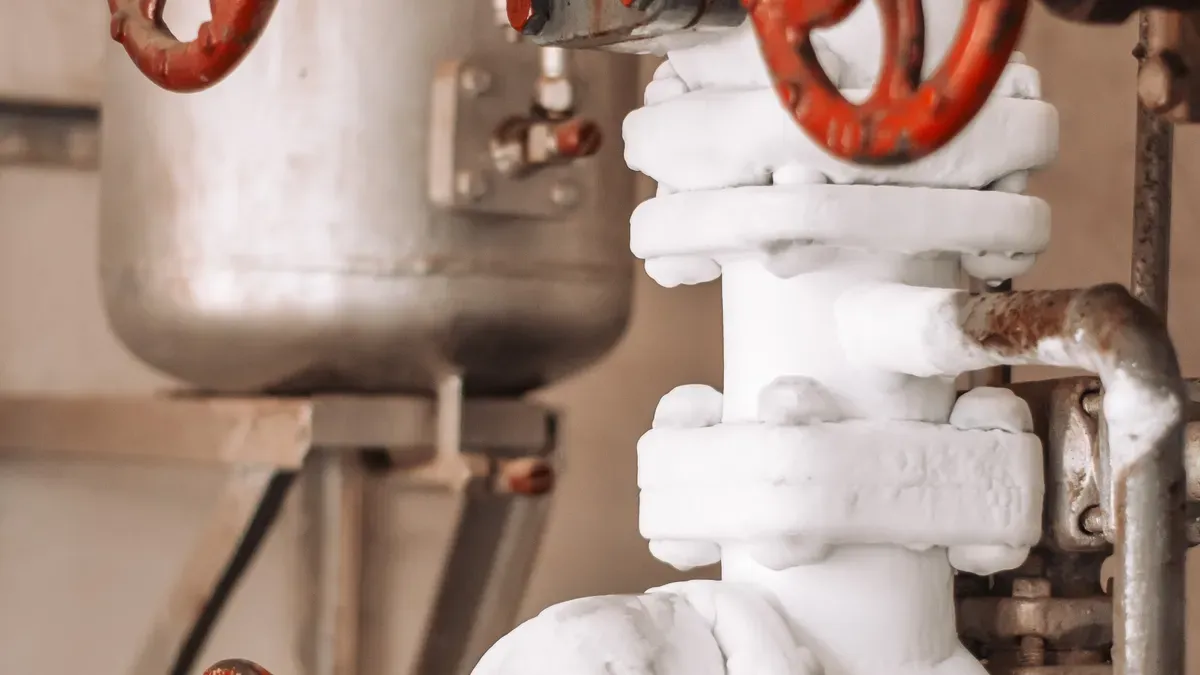
When picking a valve, you need to think about corrosion resistance. This tells you how well the valve can handle chemicals and wet places. If you choose the wrong material, your valves might break early. This can cause leaks and safety problems. It also means you will spend more money fixing things. Let’s see how 316 stainless steel and SS304 work in different places.
316 Stainless Steel in Harsh Environments
You should use 316 stainless steel when your valves face tough conditions. This material is very good at fighting corrosion. The reason is molybdenum. Molybdenum helps 316 stainless steel resist corrosion better. It works well in places with chlorides, acids, or saltwater.
Here is a table that shows how both types of stainless steel do in different places:
|
Stainless Steel |
Corrosion Resistance |
Applications |
|---|---|---|
|
SS304 |
Good performance but can get pitting in chloride places |
General use |
|
SS316 |
Better resistance to pitting from chlorides; best for marine places |
Marine and chemical uses |
316 stainless steel is best where there are strong chemicals or lots of moisture. You see it used in marine, coastal, or outdoor places. It is also good in chemical plants. These places need valves that last long and fight corrosion.
-
You can use 316 stainless steel valves in:
-
Chemical plants
-
Marine and offshore platforms
-
Outdoor places with lots of moisture
-
Systems that need to last long and need little fixing
-
316 stainless steel is very important in marine jobs. Saltwater has lots of chloride, which can ruin many metals. The molybdenum in 316 stainless steel stops pitting and crevice corrosion. This means your valves last longer and stay safe.
Chemical plants also need strong corrosion resistance. 316 stainless steel keeps its strength and shape even with acids and high heat. You can trust your valves will not break when you need them most.
Here is another table to help you compare:
|
Comparison |
316 Stainless Steel |
304 Stainless Steel |
|---|---|---|
|
Corrosion Resistance |
Best for places with chemicals, chlorides, or moisture |
Good in normal places with less corrosion |
|
Chemical Resistance |
More resistant to strong chemicals |
Best for water, air, and mild fluids |
|
Material Composition |
Has molybdenum for better corrosion resistance |
Standard stainless steel without molybdenum |
If you work near the sea, in a chemical plant, or with harsh chemicals, pick 316 stainless steel. It is the best choice for valves that must fight corrosion.
SS304 for Standard Applications
SS304 is a common choice for many industries. It gives good corrosion resistance in most normal places. You can use SS304 valves where chemicals are mild and pitting is not a big risk.
Here is a table that shows where SS304 works best:
|
Stainless Steel |
Corrosion Resistance |
Applications |
|---|---|---|
|
SS304 |
Can get pitting in chloride places; sensitization at 425–850°C |
General use, less tough places |
|
SS316 |
Better resistance to chlorides and acids; great in salty places |
Marine, offshore, chemical places |
SS304 is used more because it costs less. It is good for water, air, and mild fluids. You often see SS304 valves in:
-
General industrial systems
-
Standard process piping
-
Tanks and pipes for mild fluids
Here is another table that lists common places for SS304 valves:
|
Application Area |
Description |
|---|---|
|
Oil & Gas |
Important for safety and lasting in tough places |
|
Petrochemicals |
Good for process piping and equipment |
|
Offshore Engineering |
Used where high corrosion resistance is needed |
|
General-purpose Valves |
Great for non-tough industrial jobs |
|
Standard Process Piping |
Used in tanks and piping systems |
You should know SS304 can lose its corrosion resistance with chlorides or strong acids. For example, in acid with chloride ions, the protective layer on SS304 breaks. This causes pitting corrosion. In these cases, SS316 is a better choice because it resists corrosion more.
If you work in a normal place with mild chemicals, SS304 gives you good performance. It is a cheaper option for many general jobs. You get good corrosion resistance without paying extra for things you do not need.
Tip: Always check the chemicals and temperatures in your system before picking SS304 or 316 stainless steel. This helps you avoid early valve problems and keeps your work safe.
Cost Comparison and Value
Price Differences
You might wonder why SS316 valves cost more than SS304 valves. The answer comes from the materials inside each type. SS316 has more nickel and adds molybdenum. These metals make SS316 stronger against corrosion, but they also raise the price.
Here is a table that shows the price difference for a common valve size:
|
Valve Type |
SS304 Price (₹) |
SS316 Price (₹) |
Premium (%) |
|---|---|---|---|
|
2 inch Flanged Ball |
3,500 |
4,900 |
40-45% |
You can see that SS316 valves cost about 40-45% more than SS304 valves. This happens because:
-
SS316 contains 10-12% nickel, while SS304 has about 8%.
-
SS316 includes 2-3% molybdenum, which helps fight corrosion.
If you need many valves, this price difference can add up fast. You should think about your budget and your needs before you choose.
Long-Term Value
You should not look at just the first price. Think about how much you will spend over many years. SS316 valves last longer in tough places. They need less fixing and fewer replacements. This can save you money in the long run.
Look at this table to see how costs compare over 10 years for 200 valves:
|
Cost factor (over 10 years) |
SS304 based line |
SS316 based line |
|---|---|---|
|
Initial procurement (200 units) |
$100,000 |
$135,000 |
|
Replacement actuators (unplanned) |
$45,000 (3 replacements for 30% of units) |
$10,000 (only 2% failure) |
|
Maintenance labour |
$32,000 |
$12,000 |
|
Production loss due to failures |
$87,000 |
$12,000 |
|
Total TCO |
$264,000 |
$169,000 |
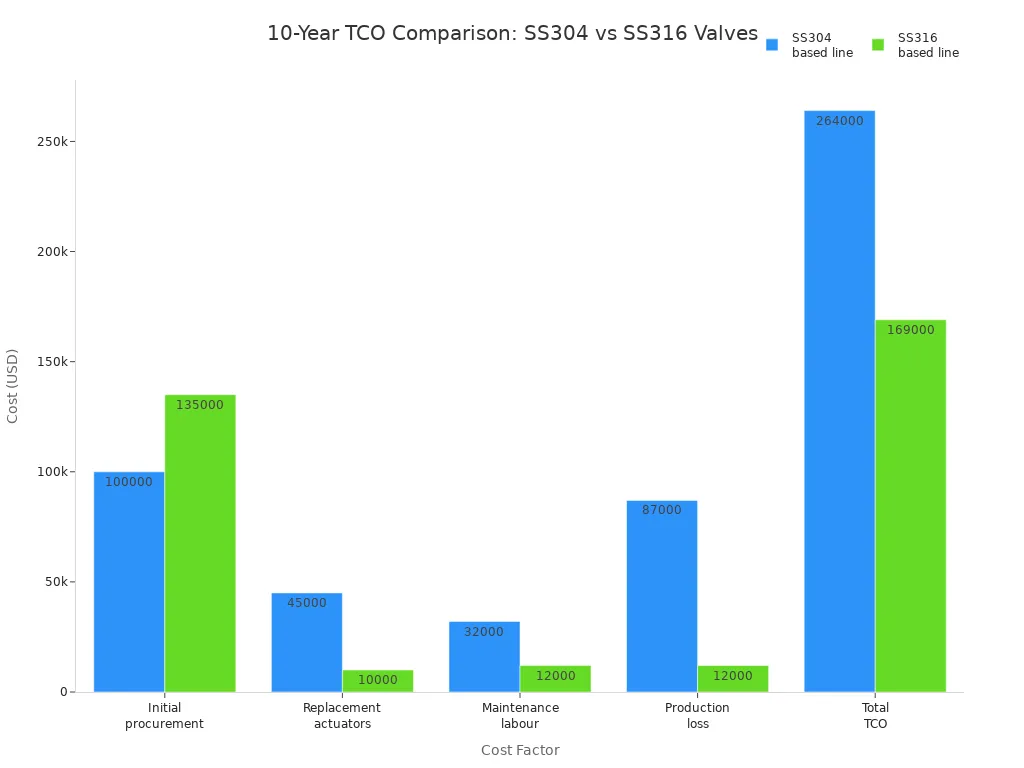
You can see that SS316 costs more at first, but you save money over time. You spend less on repairs, labor, and lost production. If your plant faces harsh chemicals or saltwater, SS316 gives you better value. If your environment is mild, SS304 may be enough and cost less.
Tip: Always think about both the starting price and the long-term costs. This helps you pick the right valve for your job and your budget.
Application Scenarios for Ball Valves
Marine and Chemical Industries
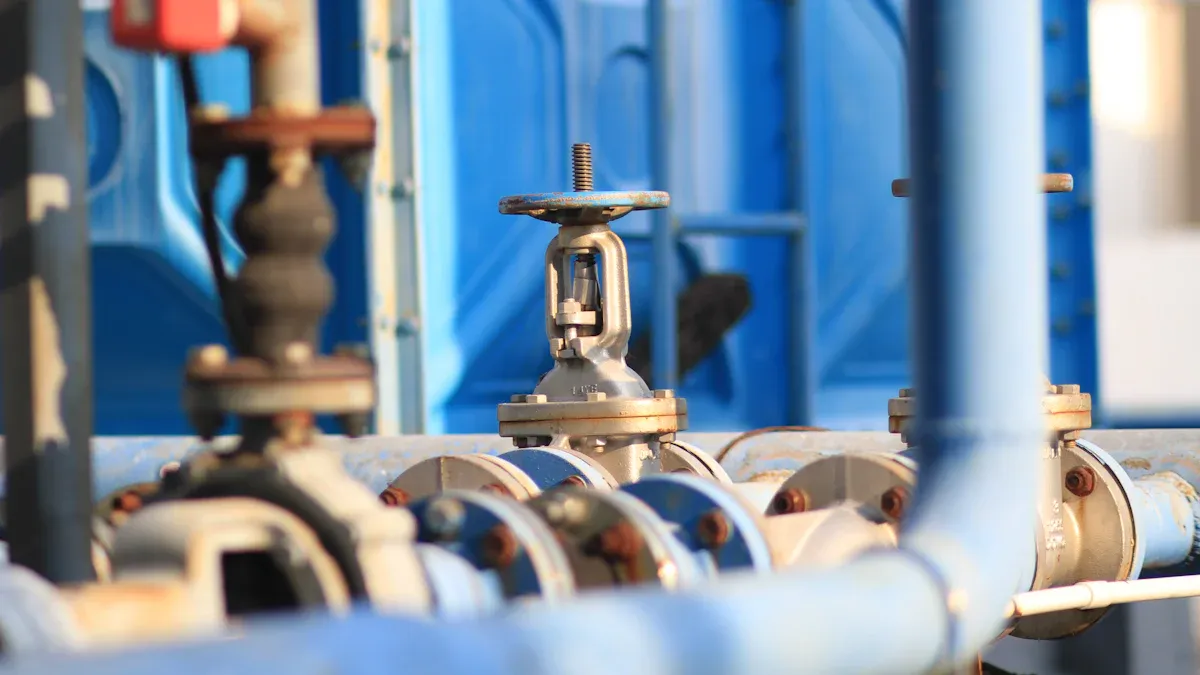
Ball valves made from 304 stainless steel and SS316 are used in marine and chemical jobs. These places need valves that can fight rust and damage from chemicals. SS316 valves are best for the sea because they stop pitting from chloride. This makes them great for seawater and salty water systems. In chemical plants, you need valves that can handle strong chemicals and keep things safe. SS316 valves with PTFE or RPTFE seats and blowout-proof stems do this job well.
|
Industry |
Specific Requirements |
|---|---|
|
Marine |
High resistance to chloride-induced pitting corrosion; suitable for seawater and brine. |
|
Chemical |
316SS bodies, PTFE or RPTFE seats for chemical compatibility, blowout-proof stem designs. |
Pick SS316 for the sea or chemical work if you need more protection. 304 stainless steel is fine for easier jobs, but SS316 is safer and lasts longer in hard places.
General Industrial and Utility Use
Many factories use ball valves for normal jobs. 304 stainless steel valves are found in water treatment, HVAC, and utility systems. These valves work with weak chemicals and normal heat. You can trust them for most pipes that do not have strong acids or saltwater. SS316 valves also work here if you want them to last even longer. For most factory jobs, 304 stainless steel gives you good value and works well.
Tip: Always check what fluids and conditions you have before picking 304 stainless steel or SS316. This helps you stop valve problems early.
Food, Beverage, and Pharma
Special valves are needed for food, drink, and medicine making. SS316 valves are common here because they meet strict cleaning and safety rules. They work with clean-in-place (CIP) and steam-in-place (SIP) systems. These systems help you clean fast and save time.
|
Benefit |
Description |
|---|---|
|
Hygienic |
Meet 3A, FDA, and EHEDG rules; smooth surfaces lower contamination risks. |
|
Easy Cleaning |
Work with CIP/SIP and come apart quickly, so you lose less time. |
|
Durable |
Stainless steel and FDA seals make them last a long time. |
|
Efficient |
Full-bore design shuts tight and keeps pressure drop low. |
|
Versatile |
Good for liquids, gases, and can be manual or automatic. |
You must use valves that pass important tests and rules in these jobs:
-
FDA (Food and Drug Administration) approval
-
EC 1935/2004 rules
-
GMP (Good Manufacturing Practice) rules
-
FDA rules for food and drink valves
-
USP (United States Pharmacopeia) rules for medicine valves
SS316 valves help keep food, drink, and medicine safe and clean. They last longer and help stop contamination.
Choosing a SS304 SS316 Valve Supplier
TANGGONG VALVE Ball Valve Series Overview
If you need a ss304 ss316 valve supplier, pick one that is reliable. TANGGONG VALVE is known around the world for its quality. They have many ball valves for tough jobs. These valves use stainless steel, duplex steel, and special alloys. TANGGONG VALVE helps industries like petrochemical, marine, and energy.
Here is a table that shows how TANGGONG VALVE compares to others:
|
Feature/Aspect |
TANGGONG VALVE |
Other Suppliers (e.g., Suzhou Neway, SUFA) |
Wenzhou Leader, EG Valves |
|---|---|---|---|
|
Product Range |
Broad valve portfolio |
High-performance focus |
Cost-effectiveness and versatility |
|
Specialized Applications |
Extreme pressure and temperature valves |
Critical infrastructure applications |
General industrial applications |
|
Material Options |
Exotic materials available |
Standard materials |
Standard materials |
|
Engineering Support |
Customized industrial solutions |
Limited customization |
Limited customization |
|
Industry Focus |
Petrochemical industry |
Various high-end sectors |
General industrial sectors |
|
Durability and Precision |
High durability and precision |
Varies |
Varies |
TANGGONG VALVE has certifications like ISO 9001, API 6D, and CE. They also have CNAS testing and awards for new ideas. You can trust their valves to be safe and last a long time.
Supplier Selection Tips
Picking the right ss304 ss316 valve supplier helps your business work well. Look for these important things:
-
The company should have lots of experience.
-
They need certifications like ISO 9001, API 6D/607/608, and CE.
-
Custom engineering is good for special jobs.
-
You should get help before and after buying.
Here is a table to help you check if a supplier is good:
|
Criteria |
Description |
|---|---|
|
Proven Expertise & Track Record |
Manufacturers should have demonstrable experience in the specific industry application and valve type. |
|
Industry Certifications |
Look for certifications like ISO 9001, API 6D/607/608, and CE/PED to validate quality systems. |
|
Custom Engineering Capabilities |
Suppliers should offer bespoke solutions, including special materials and fire-safe designs. |
|
Robust Technical & After-Sales Support |
Essential to have reliable pre-sales consultation and responsive post-sales service. |
TANGGONG VALVE meets all these important points. They give custom solutions and strong engineering support. You get valves that fit your needs in oil, gas, or water treatment. When you pick a ss304 ss316 valve supplier, check for certifications, product choices, and customer support. This helps you get safe, reliable, and long-lasting valves for your projects.
Decision Guide for SS304 vs SS316
Quick Reference Table
You want to pick the best valve for your job. This table helps you see the main features of SS304 and SS316 side by side:
|
Attribute |
SS304 / CF8 |
SS316 / CF8M |
|---|---|---|
|
Standard |
AISI 304 / ASTM A351 CF8 |
AISI 316 / ASTM A351 CF8M |
|
Chromium (%) |
18–20 |
16–18 |
|
Nickel (%) |
8–12 |
10–14 |
|
Molybdenum (%) |
None |
2–3 |
|
Corrosion Resistance |
Moderate |
High |
|
Chloride Resistance |
Moderate |
High |
|
PREN (Pitting Index) |
18–20 |
24–26 |
|
Cost |
Lowest |
Medium-High |
|
Typical Service |
Water, food, HVAC, general |
Chemical, marine, pharma |
Tip:
Pick SS304 if you work inside or need to save money. Use SS316 for jobs near the sea, with chemicals, or where rust is a big problem.
Here are some quick facts to help you choose:
-
SS304 / CF8: Works well for drinking water, heating and cooling, food jobs without acids, and normal pipes.
-
SS316 / CF8M: Best for salty water, chemical factories, medicine making, and places with acids or salt.
Key Questions to Ask
Before you buy a stainless steel valve, think about these questions:
-
What will go through the valve? Is it a strong chemical, rough liquid, or a gas?
-
What is the highest heat and pressure in your system?
-
How many times will you use the valve each year?
-
Do you need the valve to turn flow on and off, control flow, or stop flow from going backward?
-
Does your job need to follow any safety or quality rules?
-
How much can you spend, including fixing or replacing the valve later?
-
Will the valve touch salt, acids, or strong chemicals?
-
What metals are used in the valve’s body, ball, and seats?
These questions help you find the right valve for your work. You can stop problems early and keep your system working well and safely.
Pick SS304 valves if you need them for factories, food, or water jobs. These are good when you want to save money and there is not much risk of rust. SS316 valves are better for the sea, chemical plants, or tough places. They do not rust as fast and last longer.
|
Feature |
SS304 |
SS316 |
|---|---|---|
|
Corrosion Resistance |
Good for mild conditions |
Superior in harsh environments |
|
Cost |
More affordable |
Higher investment |
|
Application Suitability |
General, food, water |
Marine, chemical, steam |
TANGGONG VALVE has many safe and new ball valves for all kinds of jobs.
Quick Decision Checklist:
-
Make sure the valve fits your job place.
-
Check if it can handle the right pressure and heat.
-
Pick the flow control you need.
-
Think about price and how well it works.
If you want help or special answers, talk to TANGGONG VALVE.
FAQ
What is the main difference between SS304 and SS316 valves?
SS316 valves fight rust better because they have molybdenum. SS304 valves are good for places with weak chemicals. SS316 valves last longer in tough jobs like marine or chemical work.
Can you use SS304 valves for seawater applications?
SS304 valves are not good for seawater. Chloride in seawater makes them rust and get holes. SS316 valves protect better and work well in salty water.
How do you choose the right ball valve for your industry?
-
Check what fluid goes through the valve.
-
Make sure the valve can handle the heat.
-
Look at how much pressure the valve needs to take.
-
Think about how easy it is for the valve to rust.
-
Ask if the valve has important certificates.
-
Talk to TANGGONG VALVE for help.
Are TANGGONG VALVE ball valves certified for global standards?
|
Certification |
Available |
|---|---|
|
ISO 9001 |
✅ |
|
API 6D |
✅ |
|
CE |
✅ |
|
TUV |
✅ |
|
SGS |
✅ |
You get valves that follow strict world rules.