



You have an important choice when picking a valve. You can choose a soft seated ball valve or a metal seated ball valve. The soft seated ball valve has a seat that is not metal. This helps it shut tightly. The metal seated ball valve uses a metal seat. It works well in tough places. When you pick a valve, you need to think about temperature, pressure, and what flows through it. The soft seated ball valve works in many industries. It gives a great seal. TANGGONG VALVE sells both kinds of ball valves. You can pick the one that fits your needs.
Key Takeaways
-
Pick the right valve for your job. Soft seated valves are good for clean fluids. Metal seated valves work better with high heat and pressure.
-
Learn how the sealing works. Soft seated valves seal tightly but might leak in tough spots. Metal seated valves last longer in hard places.
-
Think about how often you need to fix them. Soft seated valves need more repairs. Metal seated valves last longer but are harder to fix.
-
Look at the temperature and pressure before you choose. Soft seated valves can only take so much heat. Metal seated valves can handle very tough conditions.
-
Ask experts like TANGGONG VALVE for help. Their advice can save you money and help you pick the best valve.
Soft Seated Ball Valve vs Metal Seated Ball Valve
When you pick a ball valve, you should know the main differences. Soft seated and metal seated ball valves both control liquids or gases. But they work best in different places. TANGGONG VALVE has many types of both valves. You can find what you need for oil and gas, chemical plants, or power plants.
Sealing Mechanism
The sealing mechanism is very important in a ball valve. It helps stop leaks and works in tough spots. The table below shows the main differences:
|
Feature |
Metal Seat Ball Valve |
Soft Seat Ball Valve |
|---|---|---|
|
Temperature Resistance |
Handles extreme heat and cold (up to 1,500°F) |
Limited by material type |
|
Pressure Rating |
Suitable for high-pressure systems |
Moderate pressure capacity |
|
Wear Resistance |
Excellent with hard coatings |
Poor in abrasive media |
|
Leakage Prevention |
Tight shutoff, no secondary leak path |
Prone to deformation and valve leakage |
|
Maintenance Frequency |
Low, long service intervals |
Requires more frequent servicing |
|
Lifecycle Cost |
Higher initial, lower lifetime cost |
Lower initial, higher lifetime cost |
A metal seated ball valve uses a hard metal seat. This makes it strong against wear and heat. You can use it where soft seats would melt or break. A soft seated ball valve uses PTFE or PEEK for the seat. These make a tight seal, but can change shape if it gets too hot or the pressure is high. You should choose the right sealing mechanism for your job.
Seat Materials
The seat material changes how the valve works. Here are the most common types:
|
Valve Type |
Common Materials |
|---|---|
|
Soft Seated |
PTFE, PEEK |
|
Metal Seated |
Stellite, Tungsten Carbide, Chrome Carbide |
-
Soft Seated Ball Valves:
-
PTFE: Virgin Teflon, good with chemicals, -50° to 400°F.
-
PEEK: Handles high pressure and heat, -70°F to 550°F.
-
-
Metal Seated Ball Valves:
-
Stellite: Very hard and resists damage.
-
Tungsten Carbide: Good for tough jobs.
-
Chrome Carbide: Strong against wear.
-
The seat material affects how the valve handles chemicals and heat. PTFE is great for chemicals and works from -200°C to 260°C. It is best for low pressure. PEEK can take more heat, up to 315°C, and works in high pressure. Metal seats last longer in harsh places, but may not seal as tight as soft seats. You should pick the seat material that fits your job.
Application Suitability
You need to think about where you will use the valve. Soft seated ball valves work well with clean liquids and gases. They give a tight seal in many jobs. If you use dirty or rough fluids, the soft seat can wear out and leak. In these cases, a metal seated ball valve is better. It can handle high heat, high pressure, and rough fluids. You see them in power plants, refineries, and chemical factories.
The sealing surface is very important. If it gets damaged, the valve can leak or stop working. You should always pick the right valve for your job. TANGGONG VALVE can help you choose. You can trust their ball valves to meet industry rules and keep your process safe.
Tip: Always check your process before you pick a valve. The right valve will save you time and money later.
Performance Comparison of Ball Valves
Leakage and Shutoff
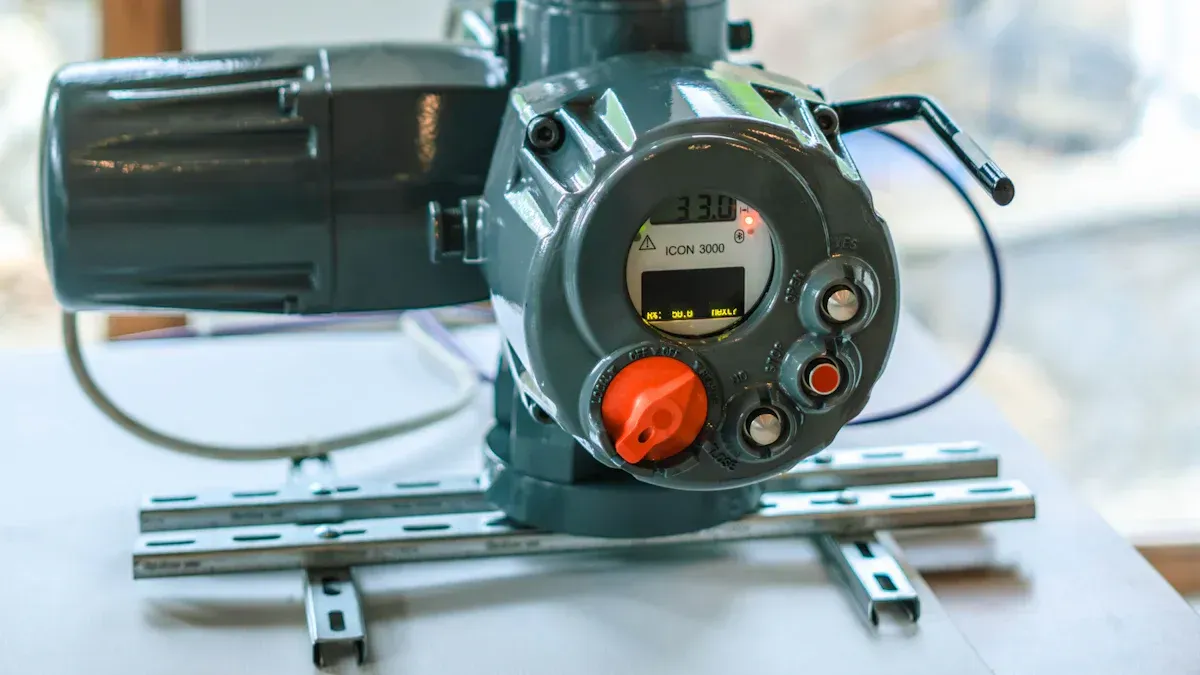
You want a valve that stops leaks and keeps things safe. Soft seated ball valves use PTFE or PEEK. These materials help make a strong seal. Most of the time, there is no leakage in tests. Metal seated ball valves use hard metal seats. They work well in tough places, but might leak a little. The table below shows how each type does:
|
Valve Type |
Leakage Classification |
Standards |
|---|---|---|
|
Soft Seated Ball |
Zero Leakage |
API 598, MSS SP-61 |
|
Metal Seated Ball |
Acceptable Leakage |
API 598 (higher rates) |
Soft seats can stop bubbles from leaking out. Metal seats usually reach ANSI class IV or V. This means less than 0.01% leaks during tests. Pick the valve that matches how much leakage you can allow.
Durability and Maintenance
You want a valve that lasts long and is easy to fix. Soft seated ball valves are simple to take care of. You can change the seat fast. These valves work best with clean liquids. Metal seated ball valves are made for hard jobs. They do not wear out fast from rough fluids or heat. They need more work to fix, but last longer in tough places. The table below shows the care each type needs:
|
Valve Type |
Maintenance Requirements |
Suitability |
|---|---|---|
|
Soft Seated Ball Valves |
Easier to maintain, but not suitable for dirty or abrasive fluids. |
Ideal for applications requiring chemical compatibility and tight seals. |
|
Metal Seated Ball Valves |
Require more complex maintenance procedures, designed for severe service conditions. |
Can withstand high temperatures, hydraulic shock, and abrasive fluids, suitable for harsh environments. |
TANGGONG VALVE follows strict rules like ISO 9001:2015 and API 6D. You get valves that work well and meet world standards.
Temperature and Pressure Limits
You need to check temperature and pressure before picking a valve. Soft seated ball valves work best at lower heat and pressure. Metal seated ball valves can handle very high heat and pressure. The table below shows the usual limits:
|
Valve Type |
Maximum Pressure (PSI) |
Maximum Temperature (°C) |
|---|---|---|
|
General-purpose |
150 - 1000 |
N/A |
|
High-performance |
> 5000 |
N/A |
|
Class 600 WCB |
102 bar at 38°C |
425 |
|
PTFE-seated |
N/A |
~200 |
Metal seated ball valves are best for hot or rough fluids. Soft seats can change shape if it gets too hot. Always match the valve’s ratings to your system. TANGGONG VALVE gives clear charts so you can pick safely.
Note: Pressure goes down when temperature goes up. Always check the maker’s ratings to stay safe.
Soft Seated Ball Valves by TANGGONG VALVE
Key Advantages
Soft seat ball valves from TANGGONG VALVE have many good points. They make a tight seal, so leaks are less likely. You can turn them off fast and use them easily. These valves work with many fluids like chemicals and water. TANGGONG VALVE makes sure their valves are high quality. They follow strict rules and standards. Here is a table with the main certifications and what they mean:
|
Certification/Standard |
Description |
|---|---|
|
ISO9001:2015 |
Quality management system standard |
|
CE |
Conformity to European standards |
|
TUV |
Technical inspection and certification |
|
SGS |
Quality assurance and certification |
|
API 6D |
Specification for pipeline valves |
|
API 607 |
Fire test for soft-seated valves |
These certifications help keep you safe and show the valves work well. TANGGONG VALVE has many soft seat choices. You can pick the one that fits your needs.
Limitations
It is important to know what soft seat ball valves cannot do. The seats are made from PTFE, RPTFE, or PEEK. They do not work well with very hot liquids or high pressure. If you use them in tough places, they might not last long. The table below shows the main limits:
|
Limitation |
Description |
|---|---|
|
Material |
Soft seats made from PTFE, RPTFE, or PEEK are common. |
|
Temperature |
Not suitable for very hot fluids. |
|
Pressure |
Not recommended for high-pressure applications. |
|
Operational Conditions |
Can break in rough conditions. |
|
Cryogenic Environments |
Not suitable for extreme temperature applications. |
Tip: Always check the temperature and pressure of your process before picking a valve.
Typical Applications
Soft seat ball valves are used in many jobs. They work best with clean liquids and not too harsh conditions. Here is a table that shows where you often see these valves:
|
Industry |
Application |
|---|---|
|
Oil and Gas |
Pipeline isolation |
|
Chemical Processing |
Chemical transfer |
|
Power Generation |
Steam control |
|
LNG and Cryogenic |
Flow regulation |
|
Water Treatment |
Reliable sealing |
|
General Industry |
High pressure and temperature handling |
You will find these valves in oil and gas, chemical plants, and water treatment. They help control flow and keep things safe. TANGGONG VALVE gives you soft seat ball valves you can trust for many uses.
Metal Seated Ball Valves and Metal Seated Options
Main Benefits
Sometimes you need a valve for really hard jobs. Metal seated options are strong and work in tough places. These valves do well with high heat, rough liquids, or strong pressure. You can use them where soft seats would not last. Metal seats last longer and help you save money over time.
Here is a table that shows how metal seated ball valves and soft seated types are different:
|
Feature |
Metal Seated Ball Valves |
Soft Seated Ball Valves |
|---|---|---|
|
High Temperature Resistance |
Up to 1,000° F |
Limited |
|
Abrasion Resistance |
High |
Low |
|
Durability |
Superior |
Moderate |
|
Cost Efficiency |
Long-term savings |
Higher replacement costs |
Metal seated options can handle wear and damage better. They work well with flashing, hydraulic shock, and harsh chemicals. Special coatings make the seats even tougher and more dependable.
Tip: Pick metal seated options if you need a valve for high heat, high pressure, or rough service.
Application Scenarios
Metal seated options are used in many different industries. These valves help keep your system safe and working well. Here are some common ways people use them:
|
Industrial Sector |
Application Description |
|---|---|
|
Oil and Gas Industry |
Controls crude oil and natural gas during extraction, refining, and moving. |
|
Chemical Processing |
Handles dangerous chemicals and keeps work safe. |
|
Power Generation |
Controls steam and water in boilers and turbines for good power making. |
|
Hydraulic Systems |
Moves fluid in high-pressure hydraulic machines for safety and good work. |
|
Water Facilities |
Controls water during cleaning and sending it out. |
|
Marine Applications |
Handles ballast water and fuel, and fights saltwater damage. |
You can use these valves where you need strong protection from heat, pressure, or rust.
Why Choose TANGGONG VALVE
You want a valve that you can trust to work well. TANGGONG VALVE gives you metal seated options for your hardest jobs. The company uses good materials and special coatings. You get valves that last longer and work better. TANGGONG VALVE checks every valve to make sure it meets world standards. You can pick the right size, pressure class, and seat material for your job.
TANGGONG VALVE helps you with expert advice and custom choices. You can trust their experience in oil and gas, chemical, power, and marine work. When you pick TANGGONG VALVE, you get safety, dependability, and value that lasts.
How to Select the Right Ball Valve
Process Conditions
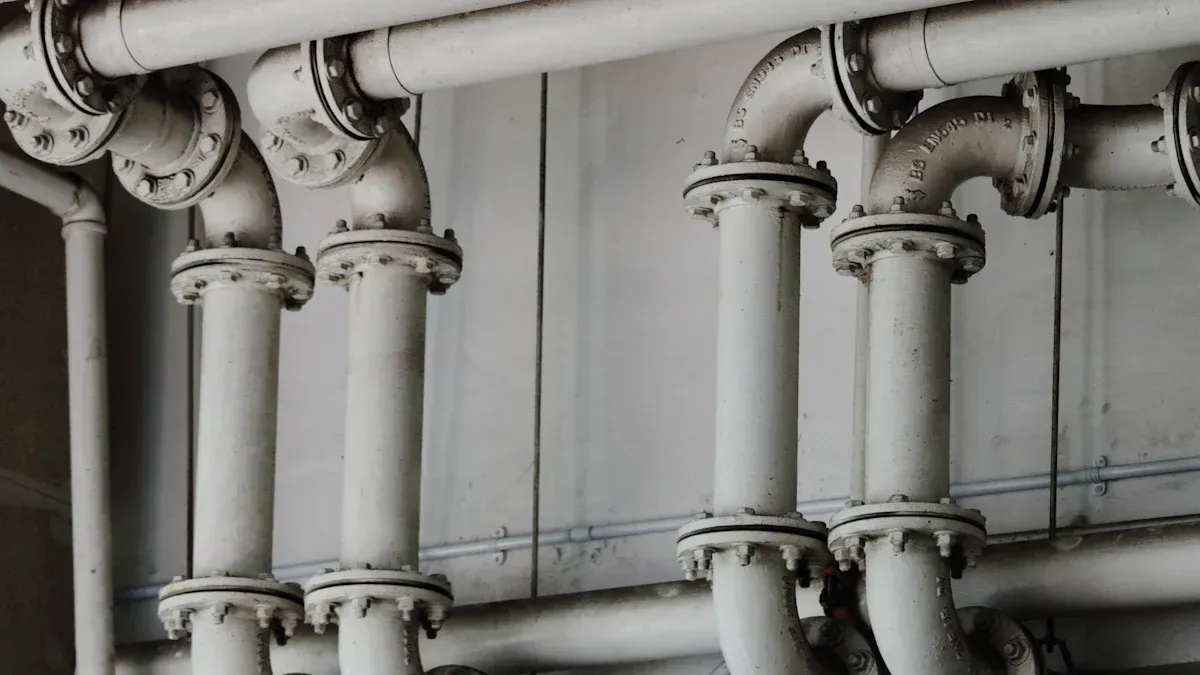
You should check your system before picking a ball valve. The best valve depends on what moves through your pipes and the job it does. Use this table to help you choose:
|
Condition |
Selection |
|---|---|
|
Requires bubble tight shut off? |
Evaluate soft seated options. |
|
Fluid is corrosive? |
Consider metal seated valves. |
|
Contains abrasive particulates? |
Avoid soft seats entirely. |
|
High pressure or temperatures? |
Opt for metal seated valves. |
If your system stays under 260°C and has steady pressure, soft seated ball valves are a good pick. They seal well and cost less. If your job has high heat or pressure changes, metal seated ball valves work better. For tough jobs with solids or catalyst fines, you need valves with special coatings like TCC or Stellite. Do not use soft seats here because they might leak.
Cost and Maintenance
You want to spend less and keep your system working. Think about all the costs, not just the price of the valve. This means you should count installation, energy, and fixing costs. Pneumatic actuators are cheaper at first but need air systems, which can add $5,000–$15,000 to your project. Electric actuators cost more at the start but save money later because they use less energy and need less fixing. If a valve breaks, it can cost $50,000 to $200,000 every hour your system is down. Pick valves that last long and do not break often. This saves you money and trouble, especially in hard jobs.
TANGGONG VALVE Selection Support
You do not have to pick a valve by yourself. TANGGONG VALVE gives expert help for every job. Their sales team listens to you and helps you pick the right valve. The R&D team makes valves for high heat, corrosion, very cold, and very high-pressure jobs. You get help and support from the start to the end of your project. TANGGONG VALVE makes sure you get a valve that fits your job and keeps your system safe.
Tip: Talk to TANGGONG VALVE’s experts early in your project. You will get the best advice and avoid costly mistakes.
You must pick the right ball valve for your work. The table below shows how the two types are different:
|
Feature |
Metal Seated Ball Valves |
Soft Seated Ball Valves |
|---|---|---|
|
Sealing Mechanism |
Metal-to-metal contact |
Polymer seat for tight seal |
|
Temperature & Pressure |
High tolerance |
Limited by material |
|
Wear Resistance |
Superior |
Less resistant in harsh conditions |
|
Maintenance |
Less frequent |
More frequent |
|
Cost |
Higher upfront, lower lifecycle |
Lower upfront, higher lifecycle |
|
Applications |
Oil, gas, chemicals |
Water, food, HVAC |
TANGGONG VALVE helps many industries with strong ball valves. You get steady performance and choices made just for you:
-
Valves for oil, gas, chemical, and power plants
-
Products built for hard jobs and long use
Ask TANGGONG experts for advice about valve size, material, and actuator. You will avoid errors and find the best answer for your job.
FAQ
What is the main difference between soft seated and metal seated ball valves?
You will see that soft seated ball valves use materials like PTFE or PEEK for the seat. Metal seated ball valves use hard metals. This makes them better for high temperatures and rough fluids.
When should you choose a metal seated ball valve?
You should pick a metal seated ball valve for high temperature, high pressure, or abrasive fluids. These valves last longer in tough jobs. They also work well in power plants and chemical factories.
How often do you need to do replacement of a soft seated valve?
You may need to replace a soft seated valve more often if you use it with dirty or hot fluids. Clean fluids and lower temperatures help the valve last longer. Always check the seat for wear.
Can you use soft seated ball valves for steam?
You can use soft seated ball valves for steam if the temperature stays below the seat material’s limit. For higher temperatures, you should use metal seated ball valves to avoid leaks or damage.
What certifications do TANGGONG VALVE ball valves have?
You get ball valves from TANGGONG VALVE with ISO9001:2015, API 6D, CE, TUV, and SGS certifications. These show that the valves meet strict quality and safety standards.