



You use an oil and gas ball valve to manage how liquids or gases move in pipelines. This valve is important for keeping things safe and working well. Good flow control stops problems like leaks, pressure changes, chattering, pipeline breaks, vessel explosions, and big production losses. Many accidents happen when workers pick the wrong valve, skip maintenance, or make mistakes. TANGGONG VALVE is known for giving high-quality ball valve solutions. Learning the basics can help you make pipelines work better and keep everyone safe.
Key Takeaways
-
Ball valves help control how liquids and gases move in pipes. They make sure everything is safe and works well.
-
Pick the right ball valve for your pipeline. Think about what fluid you use, the pressure, and the temperature. This stops leaks and makes the valve last longer.
-
Ball valves need regular care. You should check them and add oil to keep them working. This helps them last a long time.
-
TANGGONG VALVE sells ball valves that are very good quality. They follow strict safety rules and work well in oil and gas jobs.
-
If you know about the different ball valves, you can pick the best one for your pipeline.
What is an oil and gas ball valve?
Ball valve definition
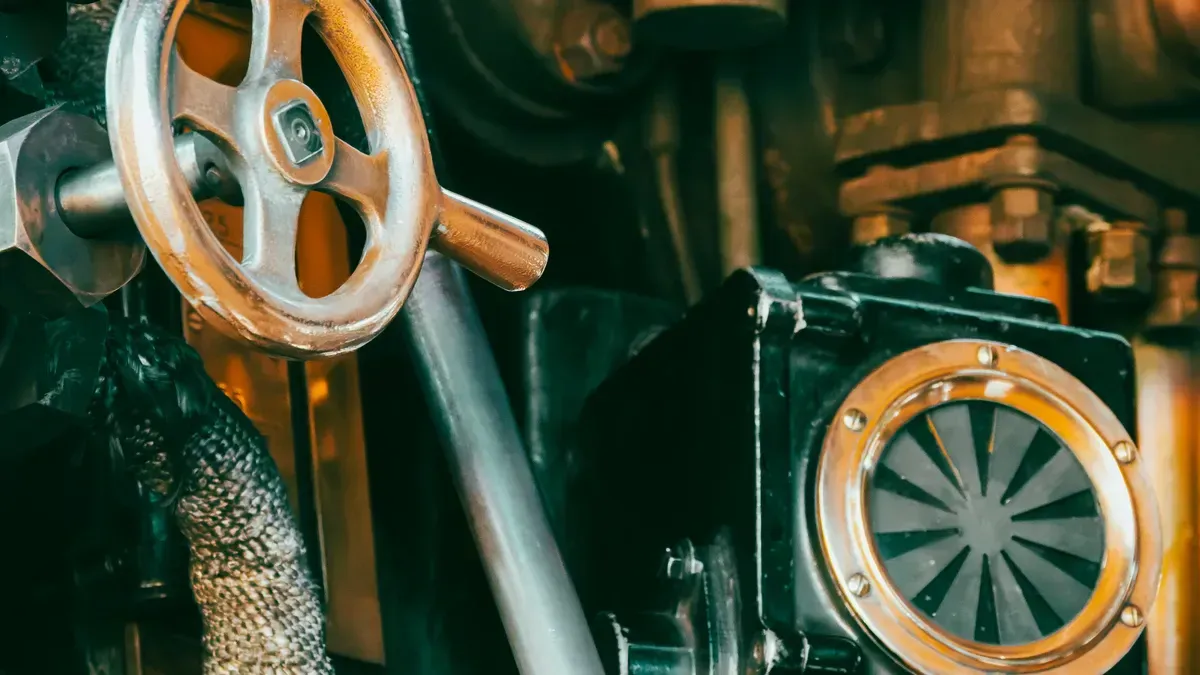
An oil and gas ball valve is a device you use to control the flow of liquids or gases in a pipeline. You can open, close, or adjust the flow by turning a handle. The main job of this valve is to make sure the pipeline works safely and efficiently. You find these valves in many places, such as oil fields, refineries, and gas plants.
You can see how important these valves are by looking at industry standards. The table below shows what API 6D means for an oil and gas ball valve:
|
Standard |
Description |
|---|---|
|
API 6D |
Covers specifications and design of valves, including ball valves used in liquid and gas transportation systems. It emphasizes performance, safety, and long-term reliability. Manufacturers must meet strict pressure and leakage tests. |
When you use an oil and gas ball valve, you get three main benefits:
-
Flow Regulation: You can control how much liquid or gas moves through the pipeline.
-
Pressure Control: You keep the pressure at safe levels.
-
Safety Assurance: You prevent dangerous situations, like too much pressure building up.
TANGGONG VALVE stands out as a trusted name in the industry. With over 36 years of experience, TANGGONG VALVE designs and manufactures high-quality ball valves that meet strict global standards. You can rely on their products for safe and smooth pipeline operation.
Key components and mechanism
You will find several key parts inside an oil and gas ball valve. The main part is a round ball with a hole through the center. When you turn the handle, the ball rotates. If the hole lines up with the pipeline, fluid flows through. If you turn the ball so the hole is sideways, the flow stops.
Other important parts include the valve body, seats, stem, and seals. The body holds everything together. The seats make sure the ball seals tightly, so nothing leaks. The stem connects the handle to the ball. Seals keep the fluid inside the valve.
You can operate most oil and gas ball valves quickly. A quarter-turn of the handle is all you need to open or close the valve. This simple design makes the valve easy to use and very reliable.
Flow control in pipelines
How ball valves regulate flow
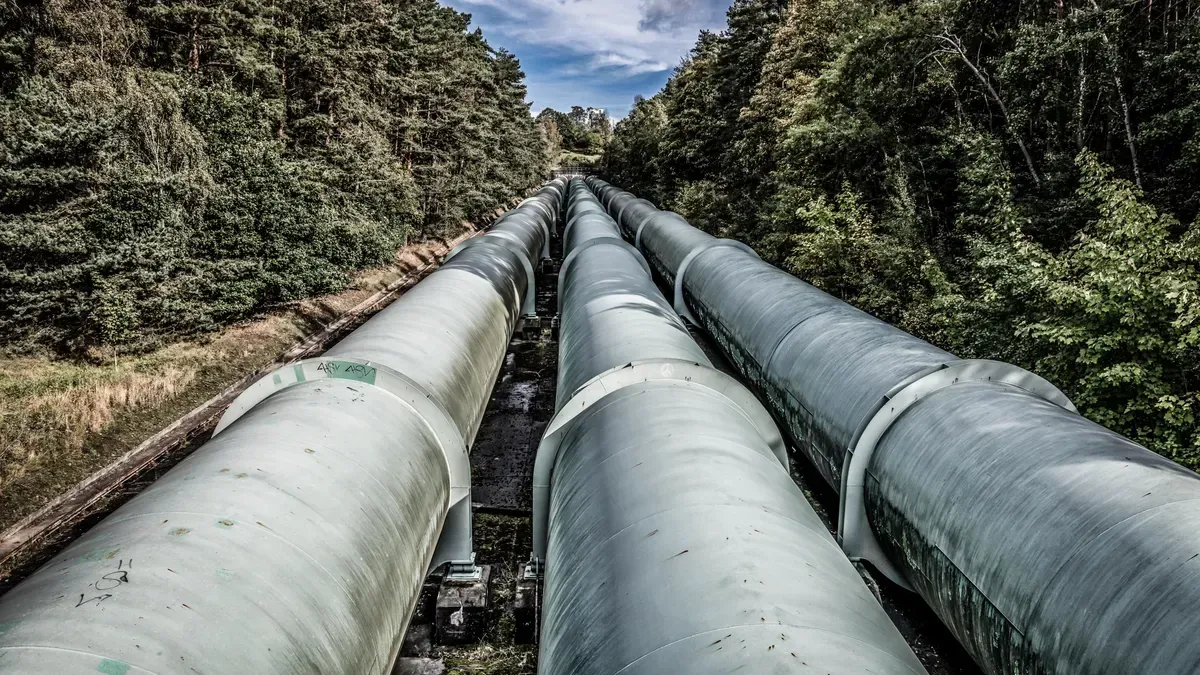
Ball valves help control how liquids and gases move in pipelines. Inside the valve, there is a round ball that turns. When you turn the handle, the hole in the ball matches up with the pipe. This lets the liquid or gas move through. If you turn the ball sideways, it blocks the flow. This makes it easy to control how much can pass. You can open or close the valve fast. This is very important in oil and gas work.
Ball valves are liked because they seal well. They let you turn the flow on or off quickly. This helps control high-pressure pipelines. Many engineers pick ball valves for tight shut-off and good flow control. You can use them to start, stop, or change the flow.
Tip: Most ball valves only need a quarter-turn to work. This makes them simple to use and helps stop mistakes.
Role in pipeline safety
Ball valves are used to keep pipelines safe. They can stop the flow very fast in an emergency. This protects people and equipment. The tight seal keeps leaks from happening. It also stops spills, which is very important in oil and gas pipelines.
Ball valves meet tough safety rules. You see them in places like refineries and gas plants. Engineers trust them because they work fast and seal well. Using ball valves helps keep pipelines safe and working well.
-
Ball valves shut off flow in emergencies.
-
They stop leaks and help protect nature.
-
You get safe and steady flow control with tight shut-off.
Types of ball valves by TANGGONG VALVE
There are different types of ball valves for oil and gas pipelines. TANGGONG VALVE has options for many pipeline needs. You see these valves in oil fields, refineries, and gas plants. Each type has special features to help control flow and keep things safe.
Here is a table that lists the main types of ball valves you can use:
|
Type |
Description |
|---|---|
|
Split Body Ball Valves |
Made for careful flow control with a floating ball design. |
|
Trunnion Mounted Ball Valves |
Used for high-pressure jobs and tough places. |
TANGGONG VALVE ball valves follow strict world standards. Every product gives you safety and good performance.
-
API 6D
-
ISO 17292
-
ANSI B16.34
Floating ball valves
You use floating ball valves in many gas valve systems. These work best in small branch lines, usually two inches or less. You find them in low-pressure gas service where price is important. Floating ball valves help you shut off instruments in control panels. You also use them in utility and extra systems.
Floating ball valves have a simple design. The ball floats inside and pushes against the seat when closed. This makes a tight seal. You can open or close these gas valves fast with a quarter-turn. This saves time and helps stop mistakes.
You pick floating ball valves when you want:
-
Small valve sizes
-
Medium pressures
-
Easy use
-
Good price
You see floating ball valves in many gas valve jobs. They help you control flow and keep things safe. You get easy care and strong shut-off.
Trunnion-mounted ball valves
Trunnion-mounted ball valves work well in high-pressure gas valve pipelines. The ball is held by supports at the top and bottom. This makes it easier to turn the valve. You use these valves in big systems where you need strong shut-off.
You choose trunnion-mounted ball valves when:
-
Pipeline pressure is high
-
Valve size is big
-
You want easy turning
-
Long life is needed
-
Shutoff is very important
Trunnion-mounted ball valves seal better than floating ball valves in hard jobs. You find them in main lines and high-pressure gas valve networks. They give you strong answers for tough places.
You see these gas valves where safety and good work matter. You can trust trunnion-mounted ball valves to protect your pipeline and keep things running.
Specialized designs for oil and gas
TANGGONG VALVE makes special gas valves for different oil and gas needs. You find deep-sea BOP gate valves with seats that balance themselves. These seats make turning easier by 40 percent and stop leaks. You use trunk line block valves with air-powered actuators for quick action. The design lowers pressure loss by 15 percent.
You also see low-temperature LNG ball valves made from 9 percent nickel steel. These gas valves work in very cold places. The seals bounce back 30 percent more, so you get better results. Smart upgrades let you watch gas valves all the time. You use machine learning to fix problems before they happen and work better.
You pick special gas valves when you need:
-
Better sealing
-
Fast action
-
Cold service
-
Watching in real time
You get answers that fit your pipeline needs. TANGGONG VALVE makes gas valves for safety, good work, and long life. You can count on these valves for today’s oil and gas jobs.
Note: You can ask TANGGONG VALVE for help picking the right gas valves for your pipeline. Their team gives you expert help and support.
Benefits of TANGGONG ball valve series
Reliability and durability
You need valves that last in hard places. TANGGONG ball valves use tough materials like stainless steel and strong alloys. These materials help the valves handle high pressure and hot or cold temperatures. You can use them in pipelines for water, acids, natural gas, or methane. The valves work from -196°C up to 450°C. They can handle pressures from PN1.0 to 42.5MPa. This means the valve keeps working even when things change.
|
Feature |
Specification |
|---|---|
|
Temperature Range |
-196°C to 450°C |
|
Pressure Range |
PN1.0 to 42.5MPa |
|
Suitable Media |
Water, acids, natural gas, methane, more |
You can trust these valves to shut off flow in oil and gas pipelines. Their strong design means fewer problems and less time fixing things.
Safety and certifications
Safety is very important in oil and gas jobs. TANGGONG ball valves meet strict world standards. You know your valves pass hard tests for quality and safety.
|
Certification |
Description |
|---|---|
|
API 6A |
Meets oil and gas industry standards |
|
ISO 10423 |
Sets design and performance rules |
|
API 6D |
Covers pipeline valve design and testing |
|
ISO 9001:2015 |
Shows strong quality management |
|
CE |
Follows European safety rules |
|
TUV |
Meets German safety and quality standards |
These certifications show you can count on TANGGONG valves for safe shut-off jobs. The tight seal stops leaks and keeps nature safe.
Efficiency and low maintenance
You save time and money with TANGGONG ball valves. The quarter-turn design lets you open or close the valve quickly. You get bubble-tight sealing, so leaks do not happen. The simple design means fewer parts move, so repairs are easier.
-
Quick operation helps in emergencies.
-
Strong sealing lowers leak risks.
-
Durable materials mean longer life.
-
Easy maintenance saves money.
TANGGONG ball valves also help the environment. Their great sealing stops leaks. The low pressure drop saves energy and lowers pollution. You get a valve that works well and helps you reach safety and green goals.
Ball valve selection and maintenance
Choosing the right valve
You must pick the best ball valve for your pipes. First, check what liquid or gas will move through the valve. Some liquids can cause rust, so use stainless steel or duplex alloys. These materials last longer and help stop leaks. Think about how hot or cold your pipeline gets. Make sure the valve can handle the pressure and temperature. Decide if you need the valve to block flow or stop backflow. The size and job of the valve are important. Ball valves are good for turning flow on or off fast.
Here are four main things to think about:
-
Media Type: Use strong materials for harsh liquids.
-
Application Conditions: Look at the heat, pressure, and flow speed.
-
Valve Function: Pick the right valve for blocking or stopping backflow.
-
Maintenance Requirements: Choose ball valves that are simple to fix and clean.
Tip: TANGGONG VALVE can help you choose. Their team gives advice for your pipes.
Maintenance best practices
You keep ball valves working by doing easy checks. Look at the valve often to find problems early. Watch for rust, cracks, or other damage. Test the valve to see if it opens and closes well. Use high-pressure grease on the stem and trunnion. Clean the inside every six months to get rid of dirt or sand. Change seals if you see leaks. Write down all the work you do on the valve.
|
Maintenance Task |
How Often |
Why It Matters |
|---|---|---|
|
Lubricate moving parts |
Every 3 months |
Makes parts last longer |
|
Inspect seals and packing |
Quarterly |
Stops leaks and keeps a tight seal |
|
Clean internal parts |
Every 6 months |
Stops dirt from blocking the valve |
|
Replace worn parts |
As needed |
Keeps the valve working well |
Note: Always use the right tools and follow the maker’s rules. This helps you avoid mistakes and keeps your pipes safe.
Safety considerations
Safety is very important when using ball valves in oil and gas pipes. You must set up valves the right way to stop leaks. Check valves often to catch damage early. Keep extra parts ready for emergencies. Test fire-safe features once a year. Write down every step you take for safety checks.
Valves can fail because of bad seals, rust, or dirt. You can stop these problems by picking good materials, cleaning often, and training workers. Put strainers before the valve to keep dirt out. Turn the valve often to clear out junk. Watch the pressure to find leaks.
Remember: Good care and safety checks protect your pipes. You stop backflow and keep your pipeline safe from big repairs.
You now know that ball valves help pipelines work safely and well. The table below shows their main strengths:
|
Aspect |
Key Point |
|---|---|
|
Operation |
Fast quarter-turn lets you control flow easily |
|
Types |
Floating and trunnion-mounted fit different pressures and sizes |
|
Benefits |
They shut off reliably, drop pressure less, and have strong safety marks |
You can get expert help for picking and caring for ball valves. For more information, go to the TANGGONG VALVE website or ask their team.
FAQ
What is the main job of a ball valve in pipelines?
You use a ball valve to start or stop the flow of liquids or gases. The valve gives you quick control. You can open or close it with a simple turn.
How do I know which ball valve to choose?
You look at the size, pressure, and type of fluid in your pipeline. You also check the temperature. TANGGONG VALVE can help you pick the best option for your needs.
Why do ball valves matter in the oil and gas industry?
You need ball valves for safe and reliable flow control. They help you prevent leaks and protect workers. The oil and gas industry uses them because they work fast and seal tightly.
How often should I check or maintain my ball valve?
You should inspect your ball valve every three to six months. Look for leaks, rust, or damage. Regular checks help you avoid problems and keep your pipeline safe.