



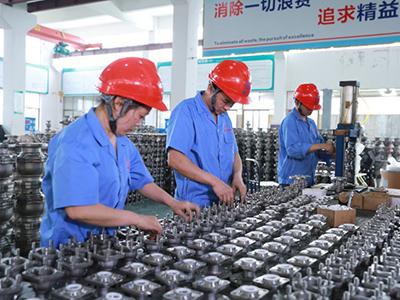
You can use an electric motor to control a ball valve easily. Many people pick a motorized control ball valve because it is simple to use. It is good for everyone, even if you are new to DIY projects. You get convenience because you can use your phone or a smart switch to control your valve. You also make your home more efficient, safe, and comfortable. TANGGONG VALVE is a trusted brand for high-quality ball valves. Follow this guide to install and use your system with confidence.
Key Takeaways
-
Motorized control ball valves are easy and efficient to use. You can control them with your phone or a smart switch. - Pick the right electric motor by looking at the material, size, voltage, and control type. This helps the valve work its best. - Be safe when you install it. Check the wiring and make sure everything lines up right. This stops leaks and damage. - After you install the motorized ball valve, test it. Make sure it works well and look for leaks or things blocking it. - Use limit switches and manual overrides. These help keep your motorized ball valve system safe and easy to fix.
Essential Components for Motorized Control Ball Valve
TANGGONG VALVE Ball Valve Series Overview
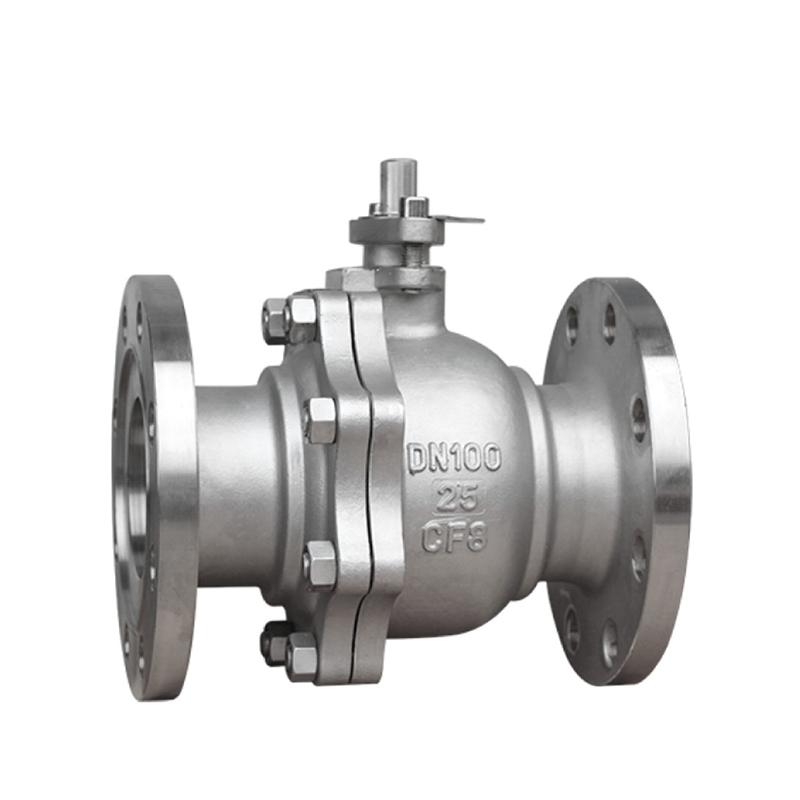
You need a valve that works well in your system. TANGGONG VALVE ball valves give you lots of choices. You can pick full-port, reduced-port, or V-port designs. These valves are made from strong metals like stainless steel and Inconel. You can fix them easily with one-piece, two-piece, or three-piece designs. TANGGONG VALVE ball valves follow strict rules. You can see some certifications and standards in the table below:
|
Certification/Standard |
Description |
|---|---|
|
CNAS-accredited testing capabilities |
Makes sure the valve is safe and follows international rules |
|
API 607 |
Shows the valve is safe in fires |
|
ISO 9001:2015 |
Proves the company has good quality systems |
|
CE, TUV, SGS |
Shows the valve is safe and high quality |
|
API 6D |
Sets rules for pipeline valves |
Choosing the Right Electric Motor
You need to pick the best motor for your ball valve. The motor helps the valve open and close. Check if the valve fits the material you use. Make sure the size is right for your flow. Pick the correct voltage and power supply. Decide if you want simple on/off or modulating control. Think about where you will use it and how often. For outside, choose a motor with a strong IP rating.
-
Material compatibility
-
Size and flow needs
-
Voltage and power supply
-
Control type
-
Environment
-
Duty cycle
Power Supply and Controller Options
You need a power supply that matches your electric ball valve. You can use AC or DC power. Many systems use 24V, 110V, or 220V AC. Some use 12V or 24V DC. You can add a controller to use the valve from far away. Controllers let you open or close the valve with a switch or app. You can use smart home systems for easy control.
Tip: Always look at the wiring diagram before you connect the power supply.
Wiring and Mounting Hardware
You must install your motorized ball valve so it stays in place. You need bolts, electrical cable, and wire connectors. Use a torque wrench to tighten bolts. Line up the actuator with the valve stem. Make sure the wiring is safe. Follow local electrical rules. Use a multimeter to check connections. Seal conduit entries to keep water out.
|
Aspect |
Details |
|---|---|
|
Alignment Process |
Turn valve to closed, line up actuator, put in bolts, tighten by hand |
|
Torque Specifications |
5-15 Nm based on actuator size |
|
Wiring Procedure |
Turn off power, run cable, strip wires, connect as shown in diagram |
|
Safety Precautions |
Use grounding, secure wires, follow rules |
|
Essential Tools |
Wrenches, torque wrench, screwdrivers, wire strippers, multimeter |
Now you know the main parts for a motorized ball valve system. You can build a setup that is safe and works well.
Installing a Motorized Control Ball Valve
Preparing the Valve and Motor
You need to get your workspace ready before you start. Clean the area around the pipeline. Remove any dirt or debris so nothing blocks the valve. Make sure you have enough space to work and move tools. Check that the TANGGONG VALVE ball valve matches your pipeline size and material. Look at the flow direction arrow on the valve body. Align the valve with the pipeline axis. Purge the pipeline to remove any impurities before you install the valve.
Tip: Always keep the stub ends of the pipeline visible. This helps you support the valve during installation and makes future maintenance easier.
Check the motor and actuator for any damage. Read the wiring diagram from the manufacturer. Make sure you have the right power supply and control signal connections. Test the valve by opening and closing it by hand. This step helps you see if the ball moves freely.
Safety Checklist:
-
Clean the area and remove debris.
-
Align the valve with the pipeline.
-
Purge the pipeline before and after installation.
-
Check the valve’s open and close function.
-
Keep space clear for maintenance.
Mounting the Motor to the Valve
Now you can mount the motor to the valve. Place the actuator on top of the valve stem. Make sure the holes line up. Insert the bolts by hand first. Tighten them in a star pattern if you use a flange type. This spreads the pressure evenly and protects the seal. Use a torque wrench to finish tightening. For TANGGONG VALVE ball valves, use the recommended torque value (usually 5-15 Nm, but check your manual).
Never apply force to the actuator housing. Always grip the metal valve body when you move or adjust the assembly. Check that the actuator sits flat and does not tilt. If you see gaps, stop and realign the parts.
Mounting Table:
|
Step |
Action |
|---|---|
|
1. Align |
Place actuator on valve stem |
|
2. Insert Bolts |
Hand-tighten bolts |
|
3. Star Pattern |
Tighten bolts in star pattern |
|
4. Torque |
Use wrench to reach correct torque |
|
5. Final Check |
Ensure actuator sits flat, no gaps |
Wiring and Connecting the System
You need to connect the wires for power and control. Always turn off the power at the breaker before you start. Lockout and tag the breaker so no one turns it on by mistake. Double-check the voltage label on the actuator. Use the correct wires for your power supply (12V, 24V DC, or AC). Follow the wiring diagram closely.
Strip the wire ends and connect them to the terminals. Secure all wires with connectors. Make sure the ground wire is in place. Do not wire a live actuator. Check that all connections are tight and not loose. If you see any corroded wires, replace them.
Note: Proper alignment of all components prevents leaks and seal failure. Take your time to check each connection.
Testing the Motorized Ball Valve
You must test the motorized ball valve before you use it in your system. First, power up the actuator with the correct voltage. Use the control switch to open and close the valve. Watch the position indicator. It should move a full 90 degrees from open to closed. If your actuator has a manual override, use it to check that the ball moves freely.
Once you finish the movement test, pressurize the pipeline. Look for leaks around the valve and connections. If you see any moisture or weeping, stop and fix the problem. Listen for any straining sounds from the motor. This could mean debris is inside or the torque is too low.
If you use a modulating electric ball valve with a 4-20mA signal, calibrate your controller now. Set the zero and span so you get precise flow control.
Testing Steps:
-
Connect power (12V/24V DC or AC).
-
Use the control switch to cycle the valve open and closed.
-
Check the position indicator for full movement.
-
Use manual override if needed.
-
Pressurize and inspect for leaks.
-
Calibrate controller for modulating valves.
Pro Tip: Always match the torque setting to the TANGGONG VALVE specification. This protects the motor and ensures reliable operation.
Now you have installed and tested your motorized ball valve. You can control flow with confidence and enjoy smooth operation.
How to Control a Motorized Ball Valve
Opening and Closing the Valve
There are many simple ways to control a motorized ball valve. The most common way is with an electric actuator. This device turns the ball inside the valve. It lets you start or stop the flow of water or gas. You can use a wall switch, a control panel, or a remote control. Many people use smart home apps on their phones to control the valve.
Here are some popular ways to control a motorized ball valve:
|
Method |
Description |
|---|---|
|
Electric Actuator |
Uses a motor to turn the ball and open or close the valve. |
|
Feedback Signal System |
Sends signals to show if the valve is open or closed. |
|
HVAC Applications |
Controls hot or cold water in heating and cooling systems. |
These valves are often used in HVAC systems. They help control hot or cold water. In factories, people use them because they last a long time. TANGGONG VALVE ball valves work with many types of electric actuators. They also work with different control systems. This makes it easy to set up and use many control options.
Tip: Always look at the position indicator on your actuator. It tells you if the valve is open or closed.
Using Limit Switches and Manual Override
Limit switches help you control a motorized ball valve safely. These switches show the exact position of the valve. When the valve is fully open or closed, the limit switch stops the motor. This keeps the valve from getting damaged. It also keeps your system safe. You can set up your system so a pump only starts when the valve is all the way open.
-
Limit switches show where the valve is.
-
They stop the motor at the right time.
-
They make your system work better and need less fixing.
If you lose power, you can use the manual override. This lets you move the valve by hand. You turn a handle or use a special tool. This is important for safety and repairs.
There are many ways to control a motorized ball valve. You can use remote control, wall switches, or manual override. TANGGONG VALVE products let you use all these options. You can pick what works best for you.
Troubleshooting Motorized Ball Valve Issues
Common Problems and Solutions
Sometimes, you might have trouble with your motorized ball valve. The most common issue is when the valve will not open or close. First, check if the power supply works. Make sure the wires are tight on the motor. If the valve does not move, look for things blocking it. Sometimes, the control signal does not reach the actuator. Use a multimeter to test the wires. If the motor runs but the valve does not turn, check the clutch. The clutch must be working for the motor to move the valve.
You might see leaks near the valve. Tighten the bolts and check the seals. If leaks keep happening, you may need a new gasket. If the control panel does not work, reset the system and check the fuse. If you cannot fix the problem, contact TANGGONG VALVE support. Their team can help with quality checks and technical advice.
Here is a quick troubleshooting table:
|
Problem |
What to Check |
Solution |
|---|---|---|
|
Valve not moving |
Power, wiring, clutch, obstructions |
Fix wires, engage clutch |
|
Leaks |
Bolts, seals, gasket |
Tighten or replace |
|
No control response |
Control panel, fuse, wiring |
Reset, check fuse |
|
Motor noise |
Obstructions, torque setting |
Remove blockages |
Safety Tips for Reliable Operation
You want your motorized ball valve to be safe and last long. Always check the clutch before starting the motor. This step keeps the actuator and valve safe. Make sure the valve is in the right spot for automatic control. Look for anything that could block the valve from moving. Test the manual override before using the system every day.
Follow these safety tips:
-
Check the clutch before starting the motor.
-
Make sure the valve is in the right position.
-
Look for things that might block movement.
-
Test manual override for emergencies.
-
Keep the area clean and dry.
-
Do regular maintenance checks.
You can trust TANGGONG VALVE for good products and support. Their quality checks help keep your system safe. If you need help, their team can answer your questions and guide you.
Tip: Always follow the instructions from the manufacturer for installation and maintenance. This helps you avoid problems and keeps your system working well.
You can make your automation system easy and safe with a motorized control ball valve. These valves shut off quickly. They let you control flow with a motor. They do not slow down the flow much. Many industries trust TANGGONG VALVE for reliable products. Here are some main benefits you get:
-
Fast shut-off in emergencies
-
Saves energy because flow moves easily
-
Needs little force for smooth motor use
-
Lasts a long time in busy systems
Customers give good feedback:
|
Customer Name |
Feedback |
|---|---|
|
Tran Minh |
The valves came with clear packing and useful papers. |
|
Nataly |
Got quick answers and good help with the order. |
|
A. Saeed |
The team shared helpful details for our project. |
You can use a motorized ball valve in oil and gas, chemical plants, power stations, and water treatment. If you need more help, you can contact TANGGONG VALVE for support and extra resources.
FAQ
How do you choose the right ball valve for your project?
You need to check the pipe size first. Make sure the pressure rating is correct. Think about what kind of fluid will go through the valve. Check the temperature range for your project. Pick the right material for your needs. If you are not sure, TANGGONG VALVE can help you for free.
Can you use a motorized ball valve outdoors?
Yes, you can put a motorized ball valve outside. Choose an actuator with a high IP rating for safety. Seal all wires and connections well. This keeps water and dust out.
What certifications do TANGGONG VALVE ball valves have?
|
Certification |
Purpose |
|---|---|
|
API 6D |
Pipeline safety |
|
ISO 9001:2015 |
Quality management |
|
CE, TUV, SGS |
International standards |
What should you do if the valve does not move?
First, make sure the power supply works. Check the wiring for any problems. See if something is blocking the valve inside. Use a multimeter to test the actuator. If you still have trouble, ask TANGGONG VALVE support for help.