



You pick a large diameter butterfly valve for big jobs. It handles huge liquid flows very well. These systems work in power and chemical plants. They also work in water plants. Sizes start at a 24 inch butterfly valve size. They can grow up to DN3000. This heavy-duty flow control device stops dynamic torque spikes. It stops cavitation too. Also, it reduces pressure drops. TANGGONG VALVE owns a large facility. It covers 175,000 m². The plant has API 609 certification. It holds ISO 9001 and CE certifications too. They supply dependable industrial hardware. You can upgrade your quarter-turn butterfly valve system. This guide helps you with precise sizing. It aids in structural offset selection. It shows proper piping geometry. You learn good preventative maintenance. Thus, you get optimal flow control.
Key Takeaways
-
Large diameter butterfly valves manage huge water flows in big pipes.
-
Experts use API 609 rules to size these big valves.
-
Triple-offset valve styles use metal seats to stop all leaks.
-
Correct valve sizing stops torque damage. It protects inner parts.
-
Place valves away from pumps to stop disc flutter.
-
Keep throttling angles right to lower shaking.
-
Oil the gearbox often to make valves last much longer.

Selection Overview for Large Diameter Butterfly Valves
Big factory pipe systems need exact flow control. This maintains balance in tough processing lines. Picking the right large diameter butterfly valve ensures good long-term efficiency. It stops system breakdowns.
Operational Scope and Standards
DN600 to DN3000 Size Range Standards
You can pick TANGGONG gear across huge sizes. These range from DN40 to DN3000. Big city and power uses start at a 24 inch butterfly valve setup. This expands choices up to huge 120-inch pipes. Global engineering rules guide these sizes and pressure limits:
|
Standard Designation |
Scope / Area Covered |
Key Details for Industrial Application |
|---|---|---|
|
MSS SP-67 |
Valve types, pressure ratings, face-to-face dimensions |
Controls wafer, lug, flanged, and offset types up to 1500 psi |
|
ASME B16.34 |
Flanged and welding end valves |
Sets pressure-heat limits across chemical plants |
|
API 609 |
Butterfly valve design standards |
Regulates Category A and B double-flanged, lug, and wafer valves |
|
EN 558-2 / ANSI B16.10 |
Face-to-face dimensions |
Fixes fitting gaps between joining pipe flanges |
|
ISO 10631 / EN 593 |
Metallic industrial valves |
Creates global performance rules for worldwide setups |
Industrial Flow System Requirements
Big liquid systems need tough parts to handle rough water. They also withstand harsh mud and risky gas. You must check your pipe fluid motions. Review constant line pressures and flow needs too. City water systems look for NSF-61 rules. They need strong backwash cycling durability. Oil plants demand strict leak controls. They require safe power units.
Rapid Selection Parameter Matrix
ASME Class 150 to Class 600 Ratings
TANGGONG builds items for ASME Class 150 to Class 600 pressure ratings. This covers PN10 to PN100 limits. The strong shaft design manages moving liquid forces well. It will not bend.
💡 Selection Tip: Put a 24 inch butterfly valve in a Class 300 or Class 600 network. It holds strong pressure well. The setup weighs far less than heavy gate valves.
Media Profiles and Temperature Thresholds
Your liquid type shows the right seat and trim. TANGGONG parts handle severe temperature ranges. They work from freezing -196°C to very hot 650°C. You can select wafer, lug, double-flanged, or butt-weld ends. Soft EPDM or NBR seats fit cold water pipes. Tough metal seats close tight in super hot uses.
TANGGONG Butterfly Valve Design Configurations
Pick the right layout for your needs. Base it on system pressure. Consider the liquid type too. Think about mechanical stress. TANGGONG makes three offset styles. They fit your pipe networks.
Zero-Offset Resilient-Seated Valves
Concentric Alignment Mechanics
Zero-offset designs center the stem. It goes through the disc line. This shaft geometry balances system pressure. Both disc halves stay symmetrical.
Elastomer Seat Pressure Boundaries
Rubber body liners protect metal parts. They prevent liquid contact. A resilient-seated 24 inch butterfly valve seals well. It works both ways. It suits low-pressure water lines. TANGGONG sells EPDM liners. We offer NBR and Viton liners. They match your chemical needs.
Double-Offset High-Performance Valves
Eccentric Stem Motion Benefits
A high-performance double-offset butterfly valve uses offsets. The first offset moves the stem back. It stays behind the seal plane. The second offset shifts it sideways. It moves from pipe center.
Medium-Pressure System Integration
These offsets make a camming action. It opens smooth and fast. TANGGONG adds PTFE or RTFE seats. They handle high-frequency throttling well.
|
Performance Category |
Geometric Feature |
Operational Impact |
|---|---|---|
|
Dynamic Torque |
Second Offset (Lateral offset from pipe centerline) combined with First Offset |
This creates a smooth cam action. The disc lifts off the seat fast. It moves within 1°–3° of turning. This stops drag across most travel. It keeps running torque low. Peak torque stays near closure. |
|
Sealing Performance |
First Offset (Shaft positioned behind seat sealing plane) |
This allows full 360° seating contact. It stops constant seat rubbing. This greatly extends soft seal life. Seals like PTFE/RTFE last longer. |
Triple-Offset Metal-Seated Valves
Frictionless Conical Seating Geometry
A triple-offset butterfly valve uses three offsets. It adds an angled cone axis. This shape stops mechanical rubbing. The disc turns without seat friction.
Extreme Thermal and Pressure Resilience
A triple-offset 24 inch butterfly valve protects pipes. It works in extreme heat. It survives severe cold too. TANGGONG uses metal-to-metal seats. They give zero leakage. They meet strict global rules.
|
Standard |
Applicability to Triple-Offset Metal-Seated Valves |
Fire-Safe Leakage Criteria |
|---|---|---|
|
API 607 |
This fits soft seats only. People cite it wrong. It ignores metal seats. |
It tests seat leaks. It covers soft seat rules. |
|
ISO 10497 |
This applies to metal seats. It is the fire standard. It tests quarter-turn valves. |
It limits joint leaks. It runs hot fire tests. It checks seat leaks after. |
Step-by-Step Valve Selection Criteria
Good choices need exact math. You must match the system. First, study fluid traits. Next, check moving forces. Also, review material traits. This plan keeps pipes working safely. It protects them for years.
Flow Dynamics and Sizing Calculations
Flow Coefficient Determination
Calculate the flow coefficient ($C_v$) first. This sizes your system right. $C_v$ tracks liquid volume. It flows through open ports. This happens at fixed pressure drops. Low $C_v$ limits fluid flow. High $C_v$ wastes your budget. It buys gear that is too big. Use fluid specific gravity for math. Add the real flow rate. Include target pressure drops too.
Cavitation Limits and System Pressure Drop Allocation
Fast liquids lower inside pressure. It drops below vapor points. Vapor bubbles form fast. They crush against metal walls. This cavitation creates loud noise. It causes strong shakes. It wears down inner parts.
Keep your control system working well. A butterfly valve takes some drop. It absorbs 25% to 50% drop. This drop spans the whole system. This planned pressure drop stops flashing. You get stable flow control. It works in big networks. It avoids broken internal parts.
Sizing Criteria for 24 Inch Butterfly Valve Applications
Dynamic Torque and Velocity Constraints
Size a 24 inch butterfly valve right. Check line speed first. Fast liquids push disc faces hard. These uneven fluid forces act fast. This creates dynamic torque. It slams open discs shut.
Dynamic Torque = Flow Velocity Vector × Disc Offset Area × Fluid Density Factor
High torque twists valve stems easily. This occurs when fluids flow fast. Keep speed under 16 feet per second. This works for continuous runs. Staying in safe speed limits helps. It protects your mechanical drives.
Flanged versus Lug and Wafer Configurations
Pick a 24 inch butterfly valve setup. Choose flanged, lug, or wafer styles. Wafer bodies fit between flanges. They save space easily. They lower total gear weight. Yet, wafer bodies fail end service.
Lug styles have threaded metal ears. Bolt pipe flanges to each side. This allows safe line removals downstream. It works under full pressure. Double-flanged designs add great strength. They handle high-pressure setups well. TANGGONG VALVE makes heavy flanged bodies. They handle high bending forces. These forces come from heavy pipes.
Material Selection and Fluid Compatibility
Body Alloys and Casting Options
Select a 24 inch butterfly valve carefully. Engineers match metals to line media. TANGGONG VALVE pours custom castings. They meet tough pressure limits. They handle wide temperature spans. The table compares technical performance. It shows common casting choices:
|
Valve Material |
Typical Yield Strength |
Chloride & Pitting Resistance |
General Corrosion & Environment Suitability |
|---|---|---|---|
|
WCB (Carbon Steel) |
≥ 250 MPa |
Low / Poor (prone to rusting) |
Minimal performance without protective coatings; suitable for non-corrosive water, steam, and clean hydrocarbons. |
|
CF8M (SS 316 Cast) |
≥ 205 MPa |
Good (2–3% Mo provides solid protection against pitting and crevice corrosion) |
High overall chemical resistance; effective for pharmaceutical, dilute acid, alkali, and general marine applications. |
|
Duplex 2205 |
~450 MPa (approx. 2× austenitic SS) |
Excellent / Very Good (PREN ~35; highly resistant to Chloride Stress Corrosion Cracking) |
Superior performance in harsh media; ideal for aggressive seawater, hot chloride environments, and oil & gas service. |
Duplex 2205 has high yield strength. It tops these other alloys. Carbon Steel WCB stays strong. It costs less for clean fluids. CF8M offers high chemical safety. It suits standard factory chemical lines.
Disc Protective Coatings and Materials
Coats on a 24 inch butterfly valve help. They stop early wear. Slurry and seawater erode base metal fast. Pick epoxy, nickel plating, or PTFE. Epoxy guards iron in city water. PTFE blocks rough acid attacks. Stainless discs with smooth edges help. They cut seal wear during turns.
Elastomeric and Metallic Seat Options
Balance heat limits with tight seals. Soft rubber liners seal tight. EPDM seats suit hot water lines. They take heat up to 120°C. Viton seats resist oil up to 200°C.
Pick metal seats for hot steam. Use solid or layered designs. Inconel and Stellite seats stop friction. They take heat shocks to 650°C. They offer steady flow control. This works across changing heat levels. Good seat choices protect your valve. They turn it into a lasting tool.
Actuator Sizing and Power Requirements
You need exact math to automate valves. Power output must match pipe forces. Right actuator size stops stem harm. It ensures smooth flow control.
Seating Unseating and Hydrodynamic Torques
Valves face three strong forces. These are seat friction and packing drag. Dynamic torque is also included. Dynamic torque keeps discs turning against flow. Seating torque squeezes seals tight. This seals line pressure fully. Unseating torque needs the most force. It breaks static friction and heavy pressures.
💡 Torque Sizing Warning: Sizing drives on base rules brings risks. Seat wear and dirt raise friction. Motors stall without safety margins. Check worst-case needs and torque charts.
Heavy loads need strong shafts. TANGGONG VALVE installs alloy shafts. We use 17-4PH or SS316 stems. Heat-treated Inconel 718 resists heavy twisting. These metals stop shaft bends. They prevent drive shears during emergency stops.
Manual Gear Electric Pneumatic and Hydraulic Actuation
Pick drive sources using power and speed. Small lines use simple handwheels. A 24 inch butterfly valve needs power units.
|
Actuator Type |
Seating Friction & Torque Impact |
Dynamic Run Torque Impact |
Stroke Torque Profile & Sizing Focus |
|---|---|---|---|
|
Pneumatic |
Needs air pressure for seals. |
Keeps turning against fluid forces. |
Check air-open and air-close forces. |
|
Electric |
Supplies torque without thermal stops. |
Gives steady force across travel. |
Focus on motor torque and cycles. |
|
Hydraulic |
Delivers strong force for seals. |
Handles dynamic forces on large valves. |
Depends on liquid pressure and tanks. |
Big pipes create extreme torque. Oversized pneumatic drives cost too much. They need huge air cylinders. Hydraulic drives fit high-load setups best. High torque density saves plant space. Compact cylinders cut system costs. They give fast emergency shutoffs.
Installation Guidelines for Large Piping Systems
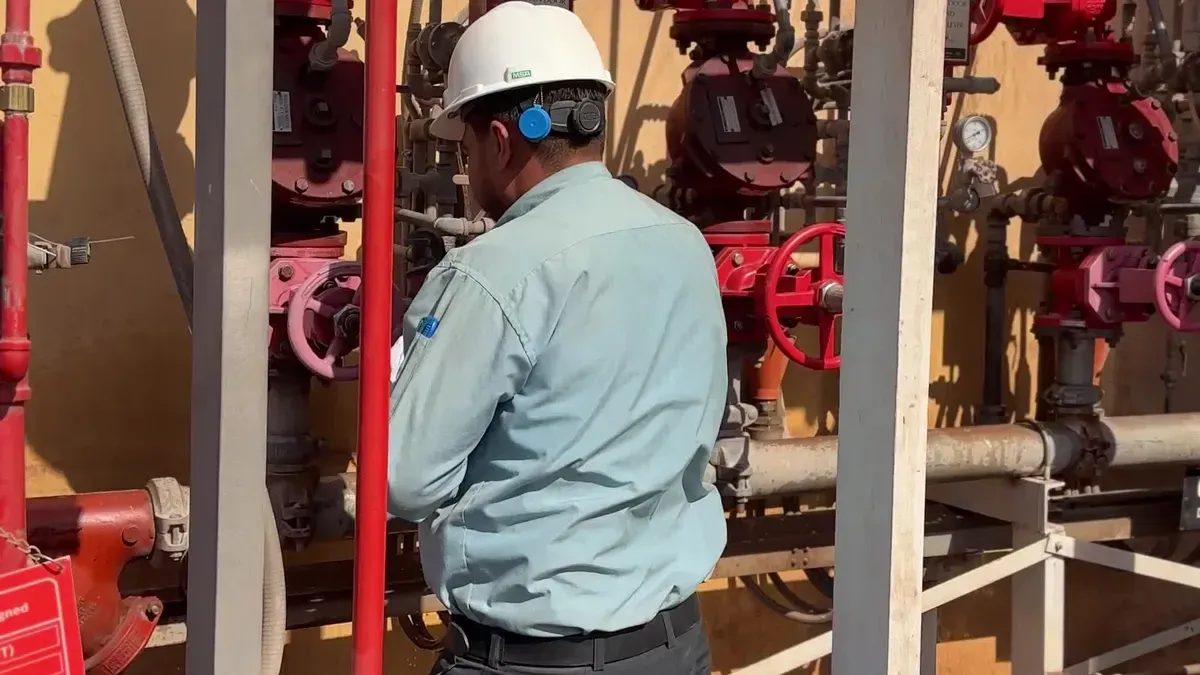
Follow these steps for safe setups. Protect your flow system investments now. Proper handling stops early wear. It aligns line forces well.
Rigging and Handling Procedures
Safe Lifting Point Utilization
Hook chains to body lugs. Never wrap straps around stems. Do not wrap gearbox parts. Lifting by shafts bends internals. It ruins inside bearings fast.
Seat and Disc Surface Protection
Keep discs slightly open now. This hides disc edges safely. Edges stay inside valve bodies. Thus, metal avoids hard bumps. It misses cables and pads.
💡 Handling Tip: Clean ends first. Apply safe rubber lubricant. Keep covers on seal seats. Remove them for final mounting.
Upstream Piping Geometry Rules
Upstream Straight Pipe Clearance Standards
Rough liquid flow causes shakes. It wears seals down fast. Place straight pipe runs first. Put them before and after. This creates smooth fluid speed.
Distance Rules for Pumps and Elbows
Place a 24 inch butterfly valve downstream. Keep it 4 to 6 diameters away. Move it past pumps or elbows. This space stops rough flow. It prevents dangerous disc flutter.
Pump Discharge / Elbow ---> [ 4 to 6 Pipe Diameters Clearance ] ---> Butterfly Valve
Alignment and Flange Bolting
Flange Face Parallel Alignment Verification
Check flange lines before fitting. Use precise tools for checks.
|
Practice |
Tool / Method |
Alignment Objective |
|---|---|---|
|
Alignment Check |
Dial tools or lasers |
Check lines to cut stress. |
|
Expansion Control |
Flexible joints |
Stop thermal line shifts. |
Star Pattern Bolt Torque Sequences
Insert bolts after lining faces. Tighten nuts in star patterns. This spreads seal pressure evenly.
       12
   10      2
 8            4
   6      14
-
Hand-tighten all flange bolts.
-
Apply 30% total torque.
-
Torque to 60% next.
-
Finish at 100% target.
Gradual tightening prevents body stress. It passes high pressure tests. This helps set up a 24 inch butterfly valve well.
Operations Throttling and Control Management
Pipeline crews must handle flow tools carefully. This protects critical valve sealing surfaces. It extends system life.
Pre-Commissioning Line Protocols
Hydrostatic Line Testing Rules
Follow exact position rules for every heavy industrial valve. Line tests push high static pressures. Keep the disc totally open during test runs. This balances internal line forces. It protects precision seat edges from severe stress.
Debris Flushing and Seat Protection
Pipe builds leave slag, scale, and metal shavings. Fast flushing sweeps loose trash away. You must protect internal sealing faces during initial flushing:
-
Hydrostatic / Line Pressure Testing: Keep the disc totally open during testing.
-
High-Velocity Flushing: Open the valve disc 10 to 15 degrees for trash passage.
This small angle gap clears sharp trash safely. You prevent seat scratches. This preserves long-term zero-leakage capabilities.
Throttling Service Limits
Disc Opening Angle Ranges
Continuous throttling needs careful liquid management. Never run valves below 20 degrees open long. Small angles create high fluid speeds across disc edges.
💡 Throttling Guidance: Keep opening angles between 30 and 70 degrees. This provides accurate flow control. It also cuts severe equipment vibration.
Discs open past 70 degrees work best for isolation. They do not suit fine flow control.
Water Hammer and Transient Surge Control
Fast liquid changes create severe pressure waves. These shockwaves cause water hammer spikes. They split pipe joints and ruin equipment downstream. You must control actuator closure speeds on big lines. Program power drives to slow discs near closing. This gradual deceleration dampens surges and protects pumps.
Preventative Maintenance and Troubleshooting
Good field care helps valves last. Routine work stops bad plant shutdowns.
Routine Maintenance Schedules
Check equipment health often. A firm plan keeps seals tight and running well.
|
Maintenance Task |
Schedule Frequency |
|---|---|
|
Actuator verification |
Quarterly |
|
Seat inspection |
Semi-Annual |
|
Disc inspection |
Annual |
|
Shaft inspection |
Annual |
|
Bearing inspection |
Annual |
Stem Packing Adjustment Procedures
Leaking packing lets liquid escape out the shaft. Tighten gland nuts evenly by small amounts. Turn each nut one-quarter turn each time. Equal pressure squeezes the packing ring smooth. Too much squeeze adds friction. Check stem motion after each turn.
Gearbox and Bearing Lubrication
Big shaft loads need clean grease. Put high-grade lithium grease into fittings twice yearly. Fresh grease clears dirt. It stops internal metal wear.
In-Line Diagnostics and Repair
Seat Replacement and Adjustment Protocols
Worn seats cause inner leaks over time. Open the pipe and check the seal ring. For soft seats, clean the case. Put in a new ring. On a triple-offset butterfly valve, adjust ring bolts. This fixes smooth cone contact.
💡 Maintenance Tip: Check disc spot before tightening seat bolts. A centered disc lines up edges. It stops seat pinching.
Actuator Alignment Correction
Crooked drives cause bad shaft torque. Check drive stops during close cycles. Set travel limits until the indicator shows true alignment. This fix stops disc over-travel. It saves valve shaft splines.
Operational Troubleshooting
Crews solve plant issues using basic checks.
|
Issue |
Potential Causes |
Recommended Corrective Actions |
|---|---|---|
|
High Operating Torque |
Debris buildup, swollen seats, or shaft wear |
Thoroughly clean the interior, verify seat material compatibility, and inspect the valve shaft and bushings |
|
Seat Leakage |
Disc or seat wear, deformation, or misalignment |
Clean, inspect component alignment, and repair or replace worn seat and disc parts |
|
Dynamic Vibration & Cavitation |
High process velocity, fluid flashing, or severe throttling |
Lower pressure drop, adjust operating angles, or install anti-cavitation valve trim |
Resolving Excessive Stem Torque
Hard turning shows inner binding. Flush the body to clear pipe scale. Inspect stem bushings for rust or bad alignment.
Mitigating Cavitation and Vibration Noise
Fast flow makes shock waves inside a 24 inch butterfly valve. Fix shaking by keeping disc travel between 30 and 70 degrees. Lower pressure drops. Stop fluid flashing. This protects your valve gear against fatigue harm.
Pick a big butterfly valve with clear pressure targets. You need exact offset shapes and proper pipe space. TANGGONG VALVE brings 36 years of making experience. They use advanced R&D. They hold over 200 patents to help you.
Contact our tech team today for customized valve sizing. Get quick torque math and 3D CAD models.
FAQ
What defines a large diameter butterfly valve in industrial systems?
Large butterfly valves fit big pipes. They range from DN600 to DN3000. These heavy parts move huge fluid flows. They work well in water plants. They also help power and chemical plants.
When should you select a 24 inch butterfly valve over a gate valve?
Pick a 24 inch butterfly valve for small spaces. It weighs less and costs less. Its quick quarter-turn movement saves money. It needs smaller supports than heavy gate valves.
How do double-offset and triple-offset designs differ?
A double-offset butterfly valve moves the shaft twice. This cuts seal friction when turning. A triple-offset butterfly valve adds an angled cone. This friction-free shape seals tight. It stops leaks in extreme heat.
Can you use butterfly valves for flow throttling service?
Yes, you can throttle flows with them. Keep the disc open 30 to 70 degrees. This range stops wild shaking. It cuts down cavitation. It keeps fluid flow steady and safe.
Why must you install valves four to six pipe diameters away from pumps?
-
Space near pumps stops rough fluid flow.
-
Straight pipes prevent disc flutter and stem stress.
-
Steady fluid speed saves seats from early wear.
Which seat materials handle high temperatures best?
Inconel and Stellite metal seats handle hot heat best. These strong metal seats take heat to 650°C. They survive fast heat changes in steam lines.