



Picking the best sanitary butterfly valve keeps food safe.
First, look at the stainless steel material grade. Check if the elastomeric seal is compatible.
Next, pick a good drive method. Also choose a hygienic end connection.
Modern processing lines need a no dead angle design. This design stops contamination.
These features help your CIP/SIP procedures run smoothly. They handle safe food products reliably every day.
Key Takeaways
-
Pick 316L stainless steel valve bodies.
-
Choose electropolished finishes too.
-
They stop rust and harmful bacteria growth.
-
Match elastomer seals to your food product.
-
This stops swollen seals and big leaks.
-
Pick manual, pneumatic, or electric actuators.
-
Base this choice on your automation needs.
-
Also think about your budget goals.
-
Pick Tri-Clamp or welded end connections.
-
They give fast cleaning access.
-
They also keep pipe systems leak-free.
Evaluate Sanitary Valve Body Materials
Check metal body materials carefully first. Do this before adding a new valve. Metal bodies create a strong main barrier. They separate products from the outside world. The right metal grade resists harsh chemicals. It handles big temperature changes well. It also stops sudden structural failure. Choosing good metal prevents costly batch contamination. It stops unexpected plant shutdowns too.
304 Stainless Steel for Standard Food Lines
304 stainless steel is a strong standard. It works great for general food tasks. This material provides very reliable strength. It offers cheap performance for safe liquids. You can put 304 valves everywhere:
304 stainless steel is a strong standard. It works great for general food tasks. This material provides very reliable strength. It offers cheap performance for safe liquids. You can put 304 valves everywhere:
-
Fresh water distribution lines
-
Low-fat dairy processing systems
-
Neutral pH beverage conveyance
-
Dry powder handling systems
This alloy has chromium and nickel. These elements stop rust during daily washdowns. It handles moderate heat very well. It does not warp or weaken. However, avoid 304 for salty liquids. Do not use it for strong acids.
316L Stainless Steel for High-Acid Media
You need better metal for harsh foods. This includes tomato paste and salty brines. Citrus juice also needs stronger metal. 316L stainless steel includes extra molybdenum. It has ultra-low carbon levels too. Low carbon stops welding damage. Molybdenum builds a strong shield against pitting.
Pro Tip: Upgrading to high purity stainless steel like 316L extends equipment lifespan drastically in high-acid applications. It stops localized pitting and prevents chemical reactions from altering your final product flavor.
Modern food factories trust 316L alloys. They use them for harsh daily jobs. TANGGONG VALVE manufactures heavy-duty valve bodies from premium 316L stainless steel to handle aggressive media safely under strict international standards.
Surface Finish Standards and Hygienic Surface Quality
Internal surface roughness impacts plant hygiene. Rough metal has tiny hidden pockets. These tiny spots collect leftover food. Residues help dangerous bacteria grow fast. This ruins your whole food batch.
Electropolishing is a smart chemical bath. It removes tiny metal bumps quickly. This special finishing process brings great benefits:
-
Smooth Transitions: Electropolishing creates smooth bore transitions on wetted surfaces. It removes small crevices where bugs gather.
-
Optimized for Cleaning Protocols: It improves CIP, COP, and SIP cycles. It reaches fine finishes (15 Ra). This cuts risk.
-
Imperfection Reduction: It removes tiny machine grooves completely. Food particles cannot get trapped anymore. Rinsing works much better now.
-
Biofilm Prevention: It creates super smooth steel surfaces. Bacteria cannot stick to the metal.
The table below compares standard mechanical polishing against electropolished hygienic surfaces:
|
Surface Treatment Type |
Average Surface Roughness (Ra) |
Biofilm Resistance |
Primary Application Area |
|---|---|---|---|
|
Mechanical Polish |
32 Ra – 20 Ra (0.8 µm – 0.5 µm) |
Moderate |
Basic utility and utility water lines |
|
Electropolished |
15 Ra or lower (≤ 0.4 µm) |
Exceptional |
Direct product contact and sterile lines |
Match top metal grades with smooth surfaces. You will build a clean system. It passes health checks every time.
Choose Elastomer Seals for a Sanitary Butterfly Valve
Pick good seat materials. This stops heat damage. The soft seal touches your liquid. Bad seals swell and crack fast. CIP and SIP washings create heavy heat. Acids stress the internal parts too. Good seats block leaks. They keep your food safe.
TANGGONG VALVE offers great seat options. We sell EPDM, FKM, and PTFE. They seal tightly in tough spots. The right material cuts repair delays. It keeps flow running smoothly.
EPDM Seals for Steam and Hot Water Cleaning
EPDM handles hot steam well. It resists strong wash fluids. Factories trust peroxide-cured EPDM. It withstands harsh cleaning heat. This rubber survives strong caustic soda. It resists nitric acid washings. It withstands peracetic acid mixtures easily.
Peroxide-cured EPDM takes 149°C steam heat. Systems without oxygen take 200°C spikes. Bad materials bring big work risks:
-
Chemical Incompatibility Failures: Nitrile breaks in nitric acid.
-
Physical Deformation Risks: EPDM swells in wrong chemicals.
-
Failure Prevention Protocol: Inspect parts every three months. Replace seals using real usage records. This stops sudden failures during cleaning.
The cure method changes seal life. Platinum and peroxide cures take thousands of heat cycles. Basic sulfur cures fail fast.
|
EPDM Cure Type |
Temperature / Condition |
Operational Cycle Limit |
|---|---|---|
|
Sulfur-Cured |
120°C |
300 to 500 cycles |
|
Peroxide-Cured |
121°C (Standard / Gravity) |
2,000 to 5,000 cycles |
|
Peroxide-Cured |
121°C (Pre-Vacuum) |
1,500 to 4,000 cycles |
|
Peroxide-Cured |
134°C |
500 to 1,500 cycles |
|
Platinum-Cured |
121°C |
3,000 to 8,000 cycles |
|
Platinum-Cured |
134°C (Pre-Vacuum) |
1,000 to 3,000 cycles |
|
Platinum-Cured |
134°C (Porous Load) |
800 to 2,500 cycles |
Do not use EPDM for oils. EPDM swells near animal fats. Oils and dairy ruin it.
Silicone Seals for High-Temperature Food Media
Silicone rubber stays very bendy. It works across wide heats. Use silicone seats in hot jobs. It keeps its springy shape. These seals press tight on discs. They seal well during heating.
|
Application / Product Type |
Certification |
Maximum Continuous Temperature Limit |
|---|---|---|
|
Commercial Oven Door Seals |
NSF-51 |
400°F (204°C ) |
|
High-Temperature 100% Acetoxy Silicone (e.g., Everkem TruSil HTS) |
NSF-51 |
500°F (260°C) |
Silicone beats hot heat. Strong wash chemicals ruin it. Keep silicone away from acid. Do not use strong alkalis. Use silicone for basic food tasks.
FKM and PTFE Seals for Oily and Corrosive Products
Greasy foods need unique seats. FKM seals thick oils easily. It handles dairy fats well. PTFE resists all chemicals. It glides smoothly in clean pipes.
|
Elastomer Material |
Performance Characteristics in CIP/SIP |
Temperature/Chemical Resistance Limits |
Impact on Failure Rates & Service Life |
|---|---|---|---|
|
EPDM |
Resists hot steam and acetone well. |
Fats and oils swell it up. |
Low risk in steam; high risk in fats. |
|
Standard FKM |
Works well in acidic fluids. |
Continuous steam damages it over time. |
Medium risk; steam breaks it down slowly. |
|
Premium FKM |
Handles all cleaning liquids easily. |
Resists high steam up to 170°C. |
Cuts failure risks and lasts much longer. |
|
Isolast® (FFKM) |
Top choice for all tough jobs. |
Takes extreme steam up to 240°C. |
Lowest failure risk for critical plant work. |
|
Turcon® (PTFE) |
Handles many chemicals with low drag. |
Takes extreme heat and hot steam. |
Very safe for sterile food lines. |
Pro Tip: Match seal materials to your food. Pick FKM or PTFE for oils. This stops swelling and prolongs valve life.
Check these traits to choose parts. TANGGONG VALVE helps inspect your line. We fit safe seals everywhere.
Select Actuation Options for Modern Sanitary Valves
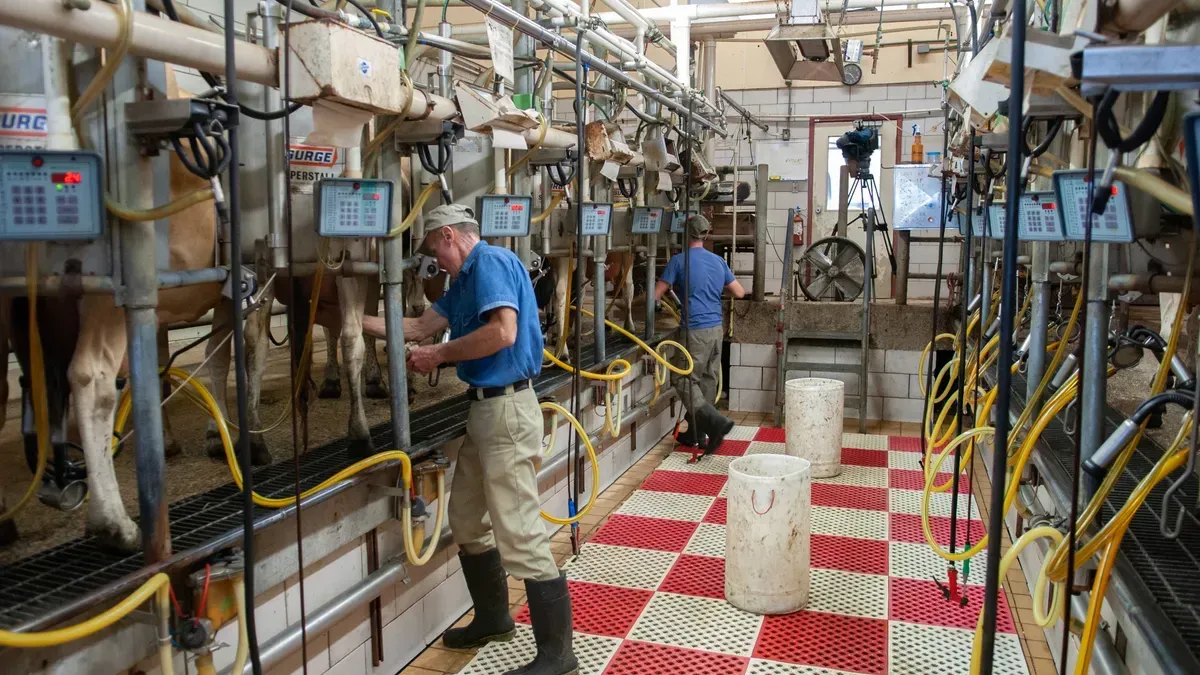
Changing manual valves to automatic ones takes planning. Look at daily use first. Check your labor costs. Review flow control needs. TANGGONG VALVE offers many control types. We sell hand levers and worm gears. We offer air and electric actuators. All pass CE and ISO 9001 tests.
Manual Levers for Low-Frequency Batch Systems
Hand levers work well for slow lines. A sanitary manual three-pieces butterfly valve saves money.
-
Initial Cost: Hand valves cost less money upfront. They do not need complex power wiring.
-
Operational Constraints: Manual handles need extra worker time. They cannot change flows quickly.
-
Upkeep Requirements: Simple metal parts need little work. Just replace seals and add grease.
Pneumatic Actuators for Automated CIP Processes
Automated lines need fast valve action. Air actuators open and close quickly. They handle tough cleaning routines. Central controllers manage fluid movements automatically. This cleans pipes fast while protecting food.
Electric Actuation for Precise Flow Modulation
Electric motors give exact liquid control. High-precision motors turn inner discs smoothly. They adjust flow rates accurately. Electric units cost more at first. Yet low repair costs save money later.
|
Total Cost of Ownership (TCO) Factor |
Manual Valves |
Electric / Automated Valves |
|---|---|---|
|
Upfront & Installation Costs |
Low purchase price. Simple design needs zero wiring. |
Higher initial cost. Requires connection to power controls. |
|
Labor & Operational Efficiency |
Needs manual labor. Works best for rare use. |
Cuts worker costs. Boosts automated food production speed. |
|
Maintenance & Technical Support |
Simple parts rarely fail. Check basic seals. |
Needs regular power checks and expert support. |
Pick the best sanitary valve control today. Balance initial costs against long-term operational savings.
Pick Sanitary Butterfly Valve End Connections
Select the best joint for your pipes. Good joints stop leaks. They keep food clean.
|
Connection Type |
Reusability |
Installation Speed |
Primary Use Case |
|---|---|---|---|
|
Tri-Clamp |
High |
Very Fast |
Frequent inspection lines |
|
Butt-Weld |
Permanent |
Slow (Requires welding) |
Fixed automated pipelines |
|
Threaded Union |
Medium |
Moderate |
OEM machines and compact skids |
Tri-Clamp Connections for Rapid Cleaning Access
Tri-clamps give great options for factories. Crew members tighten clamps easily. They use basic tools. This design opens valves fast. People clean parts quickly during breaks.
Note: Plant operators prefer tri-clamp fittings for batch systems requiring manual inspection between product runs.
Butt-Weld Ends for Permanent Hygienic Lines
Welded ends create strong permanent joints. You attach valves straight onto steel pipes. This method drops extra seals completely. It builds smooth channels. It stops bugs from growing.
-
Zero Leakage Risk: Welded joints stop external connection leaks.
-
Optimized Flow: Smooth walls help automated cleaning routines.
-
High Pressure Resistance: Welded joints handle strong pressure spikes.
Threaded Unions for Specialized Food Systems
Threaded joints fit custom food gear. These tough parts use male threads. Big nuts squeeze the inner seals tightly. They create strong locks near shaking machines. Pick a TANGGONG VALVE sanitary butterfly valve with threaded unions to secure your high-purity fluid transfer lines.
FAQ
How often should you replace the elastomeric seat in a sanitary butterfly valve?
Check soft seats every three months. Replace worn seats during regular maintenance. Hot steam speeds up seat wear. Harsh wash chemicals cause quick damage. Fast fixes keep tight pipe seals. Good parts prevent food spoilage.
Can you use butterfly valves for precise flow throttling in food processing?
Special butterfly valves control flow rates. Regular models like full open positions. Simple valves work best fully closed. Smart controllers turn discs very accurately. These parts adjust thin liquid streams.
Why do food processing lines prefer Tri-Clamp end connections?
-
Fast Disassembly: Quick clamps open without special tools.
-
Hygienic Design: Smooth joints stop dirty bug spots.
-
Efficient Maintenance: Easy access speeds up line checks.
What is the difference between 304 and 316L stainless steel valve bodies?
Basic 304 steel carries safe water. Stronger 316L steel contains extra molybdenum. This added metal fights harsh acid rust. It protects sour citrus juice lines. Strong steel builds safer plant valves.