



You must pick an API 6A ball valve that fits your project. The valve needs to handle the right pressure, temperature, material, and flow. API 6A ball valves are important in oil, gas, and process industries. They help control flow and keep things safe. If you choose the wrong valve, big problems can happen:
-
Wrong material or design can make the valve fail.
-
Valves left partly closed for a long time often break.
-
Corrosive fluids can wear away the valve and cause danger.
Safety, reliability, and following rules are most important. TANGGONG VALVE is a trusted api 6a ball valve supplier. They offer strong ball valves for tough jobs.
Key Takeaways
-
Pick an API 6A ball valve that fits your project’s pressure, temperature, and flow. This helps keep things safe and reliable.
-
Always make sure the valve’s material works with the fluid. This stops leaks and failures, especially if the fluid is corrosive.
-
Check for safety features like fire-safe designs and anti-static devices. These help protect people in dangerous situations.
-
Talk to experts or suppliers like TANGGONG VALVE for help. They can guide you in picking the right valve and explain certifications.
-
Use a simple checklist to look at all important things before you choose your valve. This helps you feel sure and make a smart choice.
API 6A Ball Valve Overview
Key Features
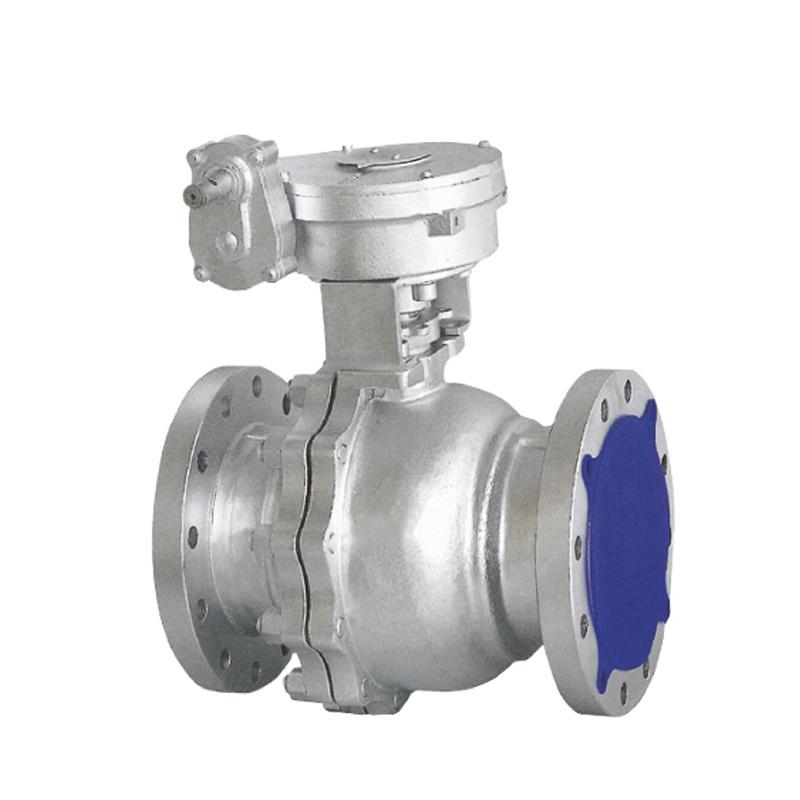
It is important to know why an API 6A ball valve is special. This valve works well when pressure is very high. There is a strong ball inside that controls the flow. You can open or close the valve fast. The seal is tight, so leaks do not happen. This keeps your system safe. The valve shuts off flow every time, even in hard conditions. It can handle very hot or very cold temperatures. It also works with high pressure. You can pick different materials for the valve. This helps the valve fit your needs. TANGGONG VALVE has many choices, like stainless steel and Inconel. Some valves are fire-safe and have anti-static devices. These features give you more safety. The valve follows strict rules, like API 6D and ISO 9001:2015. You can trust these valves to work well.
Tip: Always look at the pressure and temperature ratings before you pick a valve for your project.
Typical Applications
You can find API 6A ball valves in many places. They are used most in oil and gas fields. People use them for wellhead control and Christmas tree service. You also see them in refineries, power plants, and chemical plants. The valve helps control flow in pipelines and storage tanks. You can use it for water, gas, or other fluids. TANGGONG VALVE is a global api 6a ball valve supplier. You can get valves that fit your job, even for offshore rigs or energy storage systems. You can count on TANGGONG VALVE for good quality and help. The company sells valves in over 35 countries. You get expert advice and fast shipping for your project.
Note: Pick a valve that matches your job. This helps you avoid problems and keeps your system working well.
Valve Selection Guide
To pick the best valve, you need a simple guide. You should look at a few important things before you choose. This guide helps you find the right valve for your job.
Operational Requirements
First, learn about your project. Every job is different. You must know how much flow you need. You also need to know the pressure and temperature. These facts help you pick the best valve.
Think about what the valve will move. Will it be oil, gas, water, or something else? Each job needs a valve that fits its needs. You should check the temperature too. Some valves work in cold places. Others work in hot places. Temperature ratings show if the valve fits your job.
Pressure is very important. High pressure needs strong valves. You want a valve that will not break when pressure goes up. Check the pressure ratings for each valve. Make sure the valve fits your system.
Here is a table with some important things for high-pressure jobs:
|
Parameter |
Description |
|---|---|
|
Material Composition |
Uses special alloy steels and stainless steel for pressures over 10,000 PSI. |
|
Testing Standards |
Includes strength, corrosion, and fatigue testing. |
|
Ball Material |
Made from hardened stainless steel or special alloys. |
|
Seat Materials |
Uses advanced polymers or metal-to-metal seats for tight sealing. |
You should also look at new valve technology. Strong alloys like forged steel and nickel-based metals help valves last longer. Modular designs let you change parts fast. Hard tests, like hydrostatic and sealing tests, keep things safe. API 6A has five Product Specification Levels (PSL 1-5) to match the valve to your job.
When you use TANGGONG VALVE’s ball valves, you get strong and tested valves. These valves go through hard tests and use tough materials. You can trust them to work well in any job.
Tip: Always check the valve’s pressure and temperature ratings. This keeps your system safe and working.
Size and Pressure Rating
Next, you need to pick the right size and pressure class. The valve size must fit your pipe. If the valve is too big or too small, it will not work right. You should check the bore size and make sure it fits your flow.
API 6A ball valves come in many sizes. Most are from 1-13/16" to 7-1/16" in bore size. Pressure ratings go from 2,000 PSI to 15,000 PSI. TANGGONG VALVE has even more choices. Their valves go from 2-1/16" to 13-5/8" and pressure classes of 2,000 PSI, 3,000 PSI, and 5,000 PSI.
|
Size Range |
Pressure Classes |
|---|---|
|
2-1/16" to 13-5/8" |
2,000 PSI, 3,000 PSI, 5,000 PSI |
You should always check your flow needs. The right size lets things move smoothly and stops pressure drops. The pressure class must match your system’s top pressure. Never use a valve with a lower pressure rating than your system.
Temperature matters too. Some valves work in very cold or hot places. TANGGONG VALVE’s ball valves can handle many temperatures. Always check the temperature ratings before you choose.
Note: Picking the right size and pressure class stops leaks and keeps your system safe.
Use this guide to pick the right valve for your job. Look at all the important things, like what you need, pressure, temperature, and flow. TANGGONG VALVE has many ball valves, so you can find the best one for your job.
Material Compatibility
Picking the right material for your API 6A ball valve is very important. If you choose the wrong one, the valve can break fast. This can cause leaks and make things unsafe. It can also cost a lot to fix. You need to match the material to your fluid, pressure, and temperature. This keeps your system safe and helps the valve last longer.
Corrosion Resistance
You should think about corrosion resistance when picking a valve. Different materials react differently to chemicals and fluids. Some break down fast in harsh places. Others last a long time in tough jobs. Here is a table that shows some common problems with material compatibility:
|
Material Type |
Compatibility Issues |
Notes |
|---|---|---|
|
Carbon Steel |
Breaks down quickly in contact with acids, bases, or chlorides |
Not suitable for corrosive environments. |
|
Austenitic Stainless Steels |
Susceptible to stress corrosion cracking in salt conditions |
316 and 317 grades are common but have limitations. |
|
Duplex and Super-Duplex |
High strength and resistance to chloride stress corrosion |
Suitable for high-pressure situations with less toxic fluids. |
|
Nickel-based Alloys |
Excellent performance in harsh chemical environments |
Includes materials like Hastelloy, Inconel, and Monel, but they are more expensive. |
|
Fluoropolymer Linings |
Provides chemical protection to prevent breakdown |
Used in conjunction with other materials for enhanced performance. |
|
PTFE and Special Elastomers |
Ensures leak-free operation in various process situations |
Important for maintaining system integrity in corrosive environments. |
TANGGONG VALVE has many material choices for your needs. You can pick stainless steel, duplex, Inconel, or special linings. All these materials meet strict rules, so you can trust their quality and safety.
Fluid Type Considerations
You also need to think about the type of fluid you use. Each fluid needs a certain kind of material. Here are some things to remember:
-
Pressure rating: The material must be strong enough for your system’s pressure. For high pressure, you may need alloys like Inconel.
-
Temperature: Some materials work better in very hot or cold places. Stainless steel and high-alloy materials stay strong in these conditions.
-
Corrosive media: If your fluid is corrosive, like hydrogen sulfide, you need corrosion-resistant alloys. Inconel and duplex stainless steel are good picks.
-
Cost and availability: Nickel-based alloys work well but cost more. You need to balance how much you spend and how well it works.
For high pressure and high temperature, Inconel and duplex stainless steel keep their shape and strength. In sour gas or seawater, you need materials that resist corrosion and meet NACE MR0175/ISO 15156 standards. For fluids with sand or solids, nickel-based alloys last longer and protect the valve.
TANGGONG VALVE helps you pick the right material for your fluid and system. This keeps your project safe, strong, and working well.
Safety Standards & Compliance
API 6A Requirements
You must follow strict rules when picking a valve for oil and gas jobs. API 6A gives the rules for wellhead and Christmas tree equipment. These rules help keep your system safe when pressure and temperature are high. Ball valves must stop flow tightly, even if pressure gets up to 15,000 psi. You find these valves in wellhead control systems and Christmas tree setups. They block production flow during drilling and workovers. Always check if your valve meets all safety rules before you put it in.
Here is a table that lists the main API 6A rules:
|
Standard |
Issuing Body |
Scope |
Key Requirement |
|---|---|---|---|
|
API 6A |
American Petroleum Institute |
Wellhead and Christmas tree equipment |
Pressure classes up to 15,000 psi; fire testing required |
TANGGONG VALVE follows API 6A and ISO 10423. Their valves pass hard tests for pressure and temperature. These tests show the valve can handle tough conditions and work well.
Tip: Always check the certification number on the valve body. This proves the valve meets API 6A rules.
Additional Safety Features
You should look for extra safety features when picking a valve. Fire-safe designs protect your system if there is a fire. Anti-static devices stop sparks inside the valve. These features help prevent accidents and keep your site safe. TANGGONG VALVE has valves with fire-safe designs and anti-static devices. You also get third-party certificates that prove the valve meets safety rules.
Here is a table of common certificates for safety:
|
Certification Type |
Identification Features |
Verification Methods |
|---|---|---|
|
API Monogram |
Engraved on valve body with a certification number |
Check via API Certification Directory using the certification number. |
|
API Q1 Certification |
Supplier provides a certificate covering quality management systems |
Confirm the certificate scope includes valve manufacturing. |
|
NACE MR0175 |
Required for H₂S environments |
Third-party re-inspection for compliance. |
You must check these certificates before buying a valve. They show the valve meets all safety rules and works well in hard jobs. TANGGONG VALVE gives you valves with proven safety features and good performance. You can trust these valves to protect your system and keep your site safe.
Note: Safety features and certificates help you avoid risks and meet all rules for your project.
Maintenance & Lifecycle
Maintenance Needs
You should think about how often you will check your valve. Regular checks keep your system safe and working right. If your valve has strong parts, you fix it less. This saves you time and money. TANGGONG VALVE makes ball valves with tough materials and smart designs. These valves can handle high pressure and harsh fluids. You can clean and look at them without trouble. Many valves have good packing and smooth sealing surfaces. These features help stop leaks and keep the valve tight. You do not need to change parts a lot. Valves that need little care help you avoid long stops and save money.
Tip: Make a simple checklist for your maintenance. Look at seals, packing, and moving parts. This helps you find problems early.
Long-Term Reliability
You want your valve to last many years, even in hard places. TANGGONG VALVE uses strong designs to help the valve handle high pressure and heat. The company uses bolted body-bonnet connections and full die forged structures. These features make the valve strong and safe. You get flanged integral body forgings and ring joint gasket designs. These parts help seal well and stop leaks. The valve works with many fluids and in many places.
Here is a table that shows what makes a valve reliable:
|
Design Feature |
Contribution to Reliability |
|---|---|
|
Bolted body-bonnet connections |
Secure assembly, reduces leakage risks |
|
Full die forged structure |
Strength and durability under pressure |
|
Flanged integral body forgings |
Robust connections for high-stress applications |
|
Ring joint gasket design |
Reliable sealing to prevent leaks |
|
High-quality packing |
Tightness, minimizes emissions |
|
Machined sealing surfaces |
Effective sealing and longevity |
|
Best-in-Class CV values |
Optimizes flow performance and efficiency |
|
Inside screw and yoke design |
Improves reliability and maintenance ease |
|
Low operation torque design |
Reduces wear and tear on components |
|
Wide temperature ratings |
Handles harsh environmental conditions |
|
Diverse material classes |
Compatibility with different media and environments |
These valves work well for a long time. TANGGONG VALVE tests each valve for strength and how it works. You can trust these valves to keep your system running, even when things get tough. You spend less on repairs and new parts. This helps you feel safe and helps your project do well.
Supplier Selection
Certifications & Quality Control
You should pick an api 6a ball valve supplier who cares about quality. First, check if they have the right certifications. API certification is very important for oil and gas jobs. Most projects need API certified valves to meet safety and quality rules. Suppliers with an API Monogram license get checked often. This helps them keep their quality high. ASME B16.34 is another important rule. It tells you about valve pressure and temperature ratings. Try to find suppliers who follow this rule.
Here is a table to help you know what to look for when picking a supplier:
|
Key Factor |
Description |
|---|---|
|
Technical Capabilities |
The supplier should follow international standards like API 6A and ISO 9001 for quality. |
|
Quality Certifications |
Look for API, ISO, and other certificates to show strong quality control procedures. |
|
Manufacturing Processes |
Advanced equipment and good quality control procedures help make reliable valves. |
|
After-Sales Support |
Good support keeps your system running and helps fix problems fast. |
TANGGONG VALVE is a trusted api 6a ball valve supplier. The company has API 6D, ISO 9001:2015, CE, and TUV certifications. TANGGONG VALVE uses strict quality checks at every step. You get valves that meet high standards and work well.
Tip: Always ask for proof of certifications and details about quality checks before you buy.
Consulting Experts
You should talk to experts before you decide. A good api 6a ball valve supplier will have engineers who can help. They can answer your questions about quality, materials, and design. You can tell them what your project needs and get advice on the best valve. TANGGONG VALVE gives you strong engineering help. Their team helps you pick the right valve for your system. This help makes sure you get the best quality and safety.
-
API certified valves help stop leaks and failures.
-
Suppliers with strong quality checks give you peace of mind.
-
Expert advice helps you avoid big mistakes.
When you work with TANGGONG VALVE, you get more than just a product. You get a partner who cares about quality and wants your project to do well.
Final Selection Checklist
Step-by-Step Summary
You can use a simple checklist to make your selection process clear and easy. This helps you avoid mistakes and choose the right valve for your project. Follow these steps:
-
Review your project’s pressure, temperature, and flow needs.
-
Match the valve size and pressure class to your pipeline.
-
Check the material for corrosion resistance and fluid compatibility.
-
Confirm the valve meets API 6A and other required standards.
-
Look for safety features like fire-safe design and anti-static devices.
-
Ask for certificates and test reports from your supplier.
-
Plan for maintenance and check the valve’s service life.
-
Consult with experts if you have questions.
Tip: Always double-check your datasheet and make sure you use the correct standards for your selection.
Here are some common mistakes you should avoid during your final selection:
-
Many buyers write 'API 6D' on datasheets without checking if it fits their needs.
-
Some people mix up standards like API 598, API 608, API 600, API 6A, and ASME B16.34. This can lead to picking the wrong valve type.
-
Misunderstanding standards can cause problems with testing or missing certificates during inspection.
Confident Decision-Making
You can feel confident when you follow a clear selection process. Take time to review each step. Ask for help from experts if you are unsure. TANGGONG VALVE offers support from engineers who know the details of every valve. Their team can help you match the right product to your project’s needs.
Remember, a good selection keeps your system safe and reliable. You protect your investment and avoid costly problems. Use this checklist for every project. If you need more help, reach out to TANGGONG VALVE for expert advice and support.
You can pick the right API 6A ball valve by checking if it fits your project. Safety is very important. The valve must also follow the rules and work well. Use the checklist to help you choose the best valve. If you need help, ask TANGGONG VALVE for advice.
Feel sure about your choice. Keep your system safe and working well.
FAQ
What is the main difference between a floating and a trunnion ball valve?
A floating ball valve has a ball that moves a little to seal. A trunnion ball valve has extra supports to hold the ball in place. Trunnion ball valves work better for high pressure and bigger sizes.
How do I know if my valve meets API 6A standards?
Look at the valve body for an API monogram and a certification number. Ask your supplier for test reports and certificates. These papers show the valve meets API 6A rules.
Can I use API 6A ball valves for both oil and gas applications?
Yes, you can use API 6A ball valves for oil, gas, and other fluids. Always check the material and pressure rating to make sure the valve fits your job.
How often should I maintain my API 6A ball valve?
Check your valve often. Look for leaks, damage, or worn parts. Follow the maintenance guide from your supplier. Regular checks help your valve last longer and keep your system safe.
What materials are best for corrosive fluids?
Pick stainless steel, duplex, or nickel-based alloys for corrosive fluids. These materials do not rust or get damaged by chemicals. Always match the material to your fluid and job needs.