



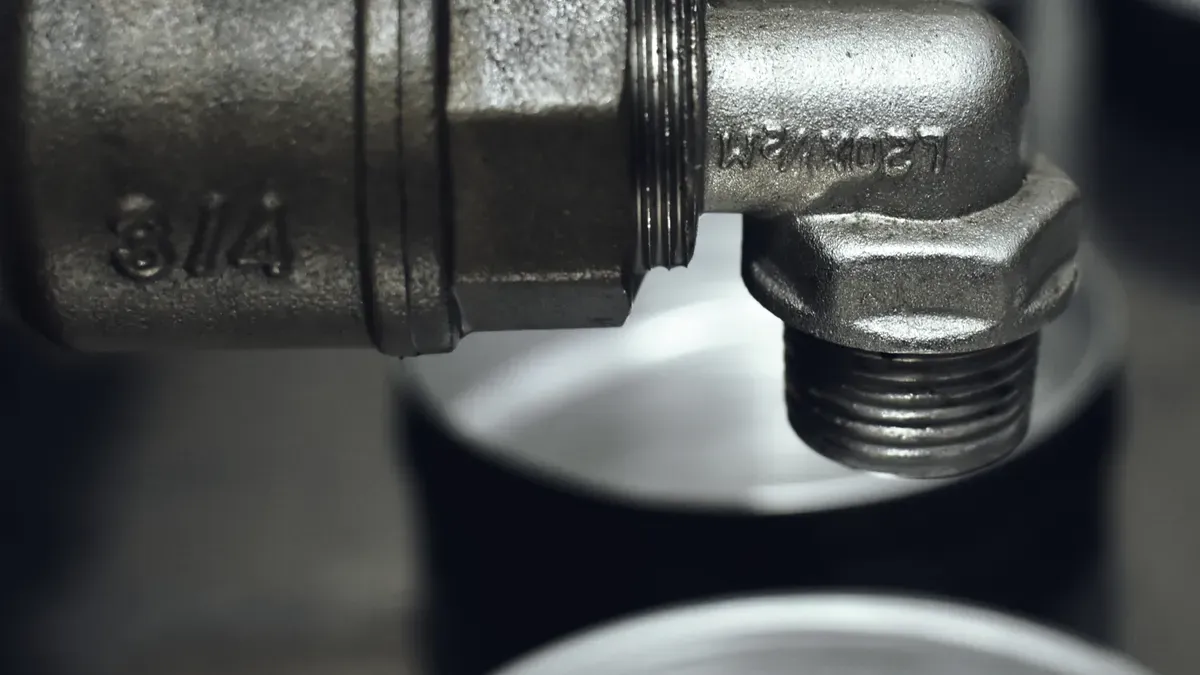
You want your system to not leak when you put in a threaded ball valve. Installing it the right way keeps your equipment safe. It also helps your workplace run well. TANGGONG VALVE is a trusted brand for quality and reliability. Their valves work for many jobs. You can pick manual, electric, or hydraulic types. They also offer custom choices and help for a long time. The table below shows the main benefits you get:
|
Feature/Benefit |
Description |
|---|---|
|
Variety of Options |
TANGGONG VALVE has manual, electric, pneumatic, and hydraulic ball valves. |
|
Custom Solutions |
They give special solutions for different industries. |
|
High Standards |
All products are made to meet top world standards. |
|
Durability |
Welded ball valves are built for hard jobs and underground use. |
|
Long-term Support |
Customers get help and support for a long time. |
Follow each step closely for the best results. This will help your valve last longer and work well.
Key Takeaways
-
Getting ready the right way is important. Look at the valve and pipe threads to check for damage or dirt. This helps stop leaks. Use PTFE tape or liquid sealant the right way. This makes a tight seal and stops water from leaking out. Always tighten the valve with your hand first. This stops cross-threading and keeps the valve safe when you put it in. After you finish, check for leaks. Doing regular checks helps your valve last longer and keeps your system safe. Follow the best way to tighten the valve. Use two wrenches to make the valve tight without breaking it.
Threaded Ball Valve Preparation
You need to get ready before you put in a threaded ball valve. Getting ready the right way stops leaks and keeps your system safe. TANGGONG VALVE ball valves are special because they are checked carefully, tested by experts, and work well. You can count on these valves for hard jobs.
Inspect Valve and Pipe Threads
Check the valve and pipe threads before you begin. Look for sharp edges, damage, or dirt. Make sure the valve fits your pipe size and needs. Look at the packing, gland bolts, and all valve parts to see if they are good. Clean the valve to get rid of dust and water. Do not use the valve if you find any problems.
Tip: Use your hand to start threading. This helps you avoid cross-threading. It keeps the valve safe and makes a good seal.
|
Installation Mistake |
Possible Result |
Better Practice |
|---|---|---|
|
Cross-threading the valve |
Damaged threads, leakage |
Start threads by hand |
|
Over-tightening |
Thread damage, valve distortion |
Tighten carefully using correct surfaces |
|
Tightening by handle |
Bent handle, poor operation |
Use valve body, not handle |
Clean and Dry Surfaces
It is important to keep things clean. Clean the pipe ends and valve threads well. Take away all dirt, dust, and water. Make sure everything is dry. This helps the valve seal right and stops leaks. Even a little dirt can make the seal not work.
-
Always wear gloves and safety goggles when you touch the valve.
-
Make sure there is no pressure in the pipes before you start.
Gather Tools and Materials
You need the right tools and things to do the job well. Get these items ready:
-
PTFE tape or pipe thread sealant
-
Wrenches for tightening the valve
-
Tools to help you line things up
You also need the valve, pipes, primer, and cement. Turn off the water before you start. Get everything ready so you do not make mistakes.
|
Feature |
Description |
|---|---|
|
Strict Quality Control Standards |
TANGGONG VALVE checks every valve to be sure it is good. |
|
Experienced Inspection Team |
Experts look at each valve to make sure it works. |
|
Professional Laboratory |
Testing makes sure the valve works in all kinds of places. |
|
Third-Party Cooperation |
Outside checks make sure the valve is good for the world. |
|
Safety and Sustainability |
TANGGONG VALVE makes safe and earth-friendly products. |
Note: Getting ready the right way keeps your valve safe and helps your system work well. Go slow and do every step.
Thread Sealant Application
Choose Sealant Type
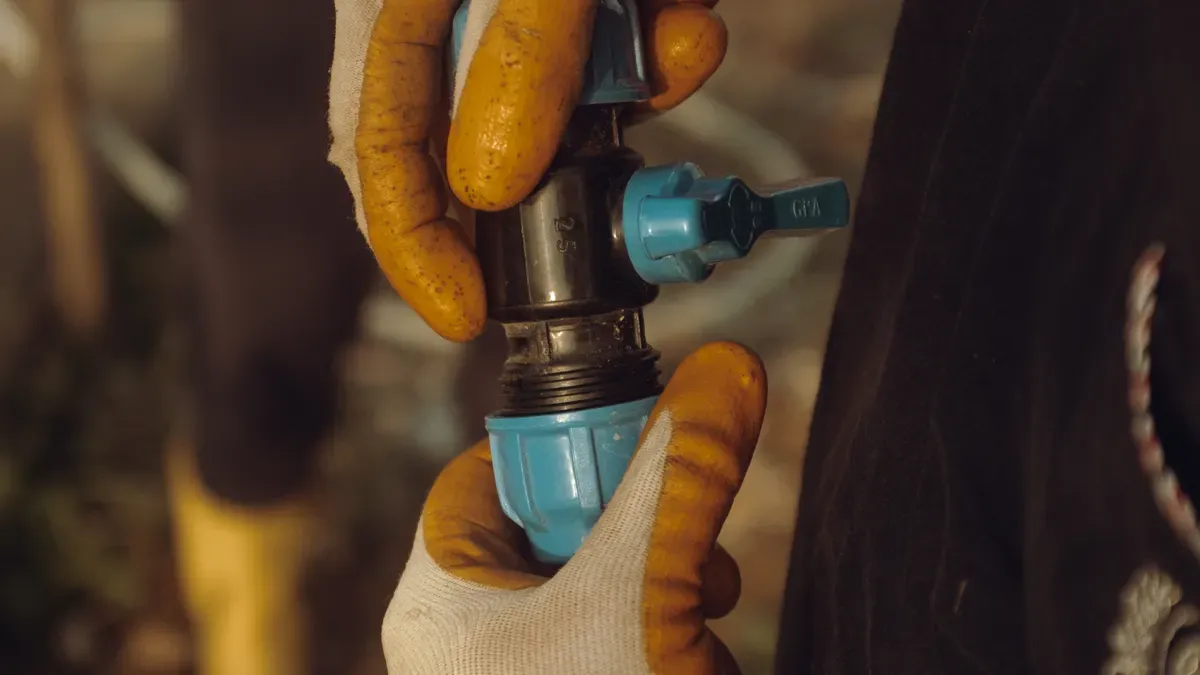
You must select the right sealant before you install a threaded ball valve. PTFE tape and liquid sealants both work well for leak prevention. PTFE tape, also called Teflon tape, fills gaps between threads. It helps you create a tight seal. Liquid sealants also make connections leak-proof. You can use either for stainless-steel threaded connections. Both options help you avoid leaks and keep your valve working.
If you use the wrong sealant, you may see leaks during installation. Insufficient sealant can cause water seepage. Uneven torque can distort the sealing surface. This makes leaks worse. Always check the instructions for your valve and choose a sealant that matches the material and pressure rating.
Tip: PTFE tape works best for most threaded ball valve installations. Liquid sealant is good for high-pressure jobs or when you need extra strength.
Apply PTFE Tape Correctly
You need to apply PTFE tape the right way to get a leak-free seal. Start by cleaning the valve threads. Make sure they are dry and free from dirt. Hold the tape and wrap it around the threads. Wrap in the direction of the thread so the tape stays tight when you screw the valve in place.
Follow these steps:
-
Hold the end of the tape at the start of the valve thread.
-
Wrap the tape around the thread two to three times.
-
Press the tape down so it covers all grooves.
-
Cut the tape and smooth it out with your fingers.
PTFE tape acts as a filler. It closes gaps between threads. This helps you prevent leaks and keeps your valve secure. If you use too little tape, the valve may not hold pressure. If you use too much, the valve may not fit right. Always use just enough tape to cover the threads.
Note: Proper tape application helps your valve last longer and keeps your system safe.
Installation Steps for TANGGONG Ball Valve
When you install a threaded ball valve, you need to follow the right installation steps. This helps you get a leak-free and reliable connection. TANGGONG VALVE products make this process easier because they are made with strong materials and tested for quality. Follow these steps to get the best results.
Hand-Tighten and Secure Valve
Start by checking the valve and pipe threads. Make sure they are clean and free from dirt or damage. Test the valve by turning it from open to closed. This helps you see if it works smoothly. Check that the threads on the valve and pipe match. Clean the threads again if needed.
Now, apply the thread sealant or PTFE tape as you learned in the last section. Hold the valve in line with the pipe. Use your hand to screw the valve onto the pipe. Turn it until it feels snug. Hand-tightening helps you avoid cross-threading and keeps the valve safe.
Tip: Always support the valve and pipe so you do not put stress on the valve body.
Use Two Wrenches for Tightening
After you hand-tighten the valve, you need to secure it with wrenches. Use two wrenches for this step. Hold the valve body with one wrench. Use the other wrench to turn the pipe or fitting. This keeps the force off the valve body and stops damage.
Follow these steps:
-
Place one wrench on the valve body.
-
Place the second wrench on the pipe or fitting.
-
Turn the pipe or fitting until the valve feels tight and secure.
-
Stop when the valve is almost in the right direction.
-
Make small turns to line up the valve as needed.
Do not use the valve handle to tighten. This can bend the handle or break the valve. Always use the body for support. TANGGONG VALVE designs their valves to handle this process well. Their strong construction keeps the valve safe during tightening.
Note: Using two wrenches is a best practice. It protects the valve and gives you a tight, leak-free seal.
Proper Valve Orientation
You need to set the valve in the right direction for the best performance. Look for arrows or marks on the valve body. These show the flow direction. Line up the valve so the flow matches the arrow.
-
Proper alignment helps the valve seal well.
-
Good orientation keeps fluid moving smoothly.
-
If you install the valve the wrong way, you may get leaks or lose pressure.
TANGGONG VALVE ball valves have clear markings to help you with this step. Their design makes it easy to see the right way to install the valve. Always check the marks before you finish tightening.
Tip: Take your time to check the orientation. A well-aligned valve will last longer and work better.
By following these installation steps, you make sure your threaded ball valve works as it should. TANGGONG VALVE products give you extra peace of mind because they are built for strength and tested for leaks. When you use the right tools and follow best practices, you get a safe and reliable system.
Leak Check and Maintenance
Test for Leaks
After you put in a threaded ball valve, you must check for leaks. Leak tests help you find problems early. This keeps your system safe. TANGGONG VALVE ball valves have strong seals and last a long time. But you should always test after you install one.
There are many ways to check for leaks:
-
Pressure change method: Add pressure and watch for drops.
-
Pressure differential method: Check pressure on both sides.
-
Pressure increase method: Raise pressure and look for leaks.
-
Closed component method: Close the valve and watch for seepage.
-
Mass flow method: Measure flow to find leaks.
-
Flow measurement method: Track flow rates for changes.
You can also listen for leaks. Put your ear near the valve and listen for hissing. Ultrasonic testing finds small leaks you cannot hear. In cold places, warm up the valve first. This helps you get the right results. Always look at the stem and seat for leaks. If you see bubbles or water, tighten the valve or change the seals.
Tip: Clean threads and use the right sealant to help stop leaks.
Initial Operation
Before you use the valve, check all ports and seats. Make sure they are clean and have no dirt. Move the valve from open to closed. This shows if it works smoothly. Look at the pipe threads to see if they are clean and fit well.
Put PTFE tape or a good sealant on the threads. Follow what the maker says. Line up the valve and pipes so there is no stress. Use two wrenches to tighten the joints. Stop when the joint is tight, then line up the valve.
Note: Smooth moves and good alignment help the valve last longer.
Maintenance Tips
Regular care keeps your threaded ball valve working well. TANGGONG VALVE makes valves that last a long time. You should check and care for your valve on a schedule.
-
Every three months, move the valve and add oil to moving parts.
-
Every six months, look for rust on metal parts. Add anti-rust coating if needed.
-
Once a year, check rubber seals for cracks or hard spots. Change them if they are bad.
Use the right oil. Do not use thick or clay-based oils. Teach workers to move valves gently and keep them fully open or closed. Make a plan for daily, monthly, and yearly checks.
|
Maintenance Task |
Frequency |
Purpose |
|---|---|---|
|
Cycle and lubricate |
Quarterly |
Stop the valve from sticking |
|
Check for corrosion |
Semi-annually |
Stop rust and help it last |
|
Inspect rubber seals |
Annually |
Stop leaks |
Callout: Taking care of your valve helps it last longer and keeps your system safe.
You can put in a threaded ball valve by doing these steps: First, turn off your system. Next, take out the old valve and clean the pipe ends. Then, get the pipe edges ready. After that, use thread sealant or tape. Put in the new ball valve and make it tight. Make sure the handle is lined up. Look for leaks. Try the valve to see if it works.
TANGGONG VALVE ball valves have strong seals. They work well and last a long time. If you take care of your valve, it keeps working. The table below shows what makes a valve reliable:
|
Factor |
Description |
|---|---|
|
Installation Techniques |
Stop leaks and make the valve work right |
|
Material Compatibility |
Keep away rust and damage |
|
Pressure/Temperature Ratings |
Fit your system needs |
|
Maintenance Practices |
Help your valve stay good for a long time |
If you need special help or advice, talk to TANGGONG VALVE. Their team can help you pick the best valve for your job.
FAQ
How do you know if your threaded ball valve is installed correctly?
You should check for leaks after installation. Turn the valve handle and watch for smooth movement. Make sure the valve lines up with the pipe. If you see no leaks and the valve works well, you installed it right.
What tools do you need to install a threaded ball valve?
You need two wrenches, PTFE tape or sealant, gloves, and safety goggles. You may also use a pipe cutter if you need to remove old pipes. Always keep your tools clean and ready.
Can you use TANGGONG ball valves for high-pressure systems?
Yes, you can use TANGGONG ball valves for high-pressure jobs. These valves meet international standards and handle tough conditions. Check the pressure rating before you install the valve.
How often should you check and maintain your ball valve?
You should check your valve every three months. Move the handle, look for leaks, and add oil if needed. Inspect seals once a year. Regular care helps your valve last longer.