



You need simple logic to control fluid flow. First, look at key details before picking a valve. Next, check fluid amounts for good flow control. Make sure the valve works in hot or cold. Then, match body, disc, and seat materials carefully. Pick materials that fit your liquid or gas. The right butterfly valve needs proper torque and sizing. Strong cast iron butterfly valves give good flow control. They work well for medium-pressure tasks in pipelines. Also, high-performance butterfly valves stop damage from bubbles. Good butterfly valves keep your system steady and working longer.
Key Takeaways
-
Pick valve seat and disc materials.
-
Base this on your fluid type.
-
Also check your system temperature.
-
Choose wafer bodies for small spaces.
-
Pick lug bodies for easy maintenance.
-
Calculate the flow coefficient correctly.
-
Size your valve properly.
-
This stops cavitation damage.
-
Set disc throttling angles right.
-
Keep them between 20° and 70°.
-
This gives best flow control.
-
Match actuators to your automation needs.
-
Use manual, electric, or pneumatic types.
Cast Iron Butterfly Valve Suitability in Flow Control
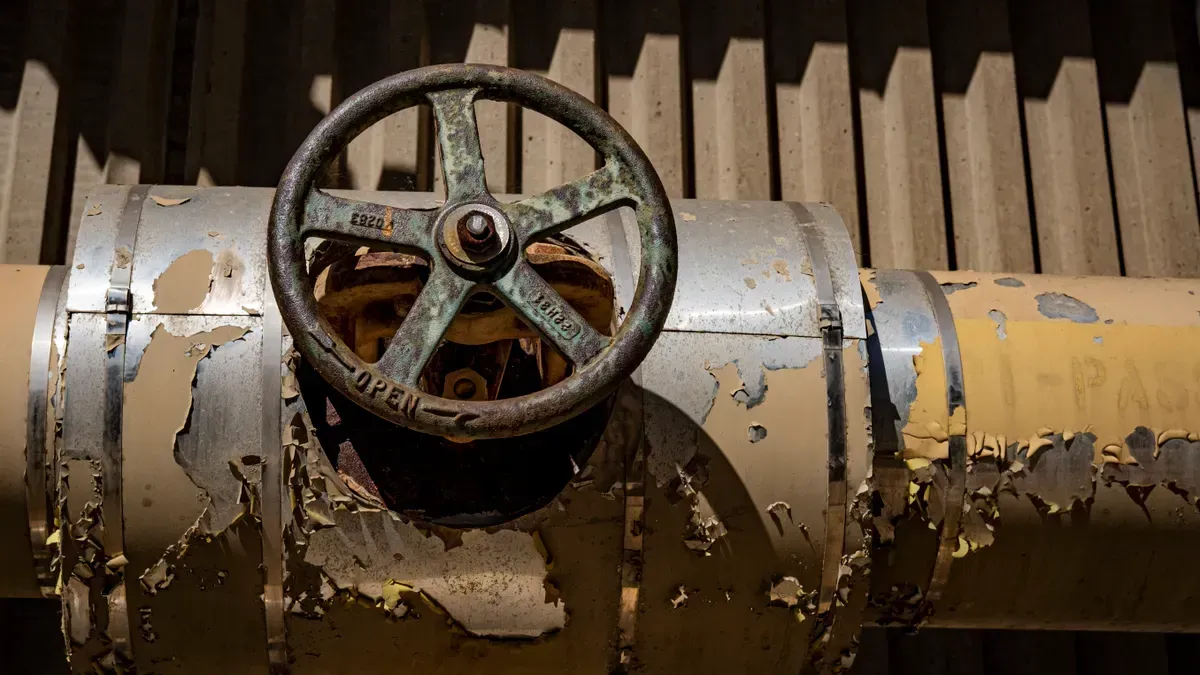
You need solid tools for steady control. A basic cast iron butterfly valve saves money. It works in low-pressure setups. These valves control liquid flow well. Use them in HVAC systems. They fit city water lines. They work in simple factories.
Operating Limits of Cast Iron Bodies
Cast iron bodies handle basic pressure. Use them with low physical stress. Big shakes can crack brittle iron. Fast heat changes cause cracks too. Match your pressure to safe limits. Safe systems need this match. TANGGONG VALVE makes tough butterfly valves. They meet strict global safety rules. Our designs stop sudden pressure spikes. They keep your system strong.
Compatible Media and Temperature Ranges
Heat and fluids change seat choices. Check fluid types for safety. This keeps processes running well. Read this table for proper seats:
|
Seat Material |
Water Applications Compatibility |
Oil Applications Compatibility |
|---|---|---|
|
EPDM |
High safety; great for city water, drinking water, waste, and hot steam (lasts 15 years). |
Bad fit; swells around fuel, mineral, or crude oils. |
|
NBR |
Limited use; okay for ocean water. Bad for pure water. |
Great safety; best for power oils, fuel items, and warm oil (0–80°C). |
|
FKM (Viton) |
High safety; works great in ocean water, pure water, steam, and hot water. |
Top safety; very good for fuel items, strong chemicals, and hot oils. |
Cast Iron vs. Ductile Iron Selection
Metal traits matter for valve choice. Plain gray iron saves cash. Yet gray iron rusts fast. Water and salt damage it. Ductile iron is much stronger. It handles hard hits well. Ductile iron butterfly valves fight acids. They resist harsh salt water better. Choose high-performance double-offset butterfly valves from TANGGONG VALVE. They protect risky spots very well. They give exact flow control.
Choosing the Right Butterfly Valve Body Style
You must check your pipe setup first. Also, check your repair needs. Body choices change installation costs. They change total weight. They change long-term use too.
Wafer versus Lug Butterfly Valves
Wafer body valves look very thin. You clamp this valve between pipe flanges. You use long metal studs for this. This light design reduces pipe stress. One valve saves a lot of space.
Lug valves have threaded metal holes instead. You bolt each flange to these holes. TANGGONG VALVE makes many valve types. They meet API 609 rules. They meet EN 593 rules too. These tough valves handle many pressures. Right valves boost long-term flow output. Good industrial valves reduce plant downtime. High-quality valves protect your pipes well.
|
Parameter |
Wafer Design |
Lug Design |
|---|---|---|
|
Upfront Cost |
Cheap and friendly for tight budgets |
Costs more money at first |
|
Mass / Weight |
Thin and very light body |
Bigger and heavier metal build |
|
Value Proposition |
Great for small, tight spaces |
Saves repair money over time |
Dead-End Service and Pipe Line Maintenance
Lug designs help with downstream repairs. Threaded holes let workers remove pipes. Upstream line pressure stays fully safe. A lug valve stops fluid upstream. Workers fix inner valve parts downstream.
💡 Maintenance Note: Always check factory limits for end service. Proper valve control keeps systems safe.
Follow key rules during pipe repairs:
-
System Depressurization: Drop line pressure first. Drain all fluid before fixing valves.
-
Personnel Protection: Wear real safety gear. Stay safe during all work.
-
Bolt Torque Sequence: Put slick grease on threads. Tighten bolts in crisscross patterns. This crushes gaskets evenly. It builds top safety.
Sizing a Butterfly Valve for Precise Throttling
Flow Coefficient Calculation and Velocity
Calculate $C_v$ to control flow.
Correct valve sizing protects your pipes.
Proper sizing keeps your system safe.
Good valves balance shifting system loads.
Fluid speed must match system limits.
Fast fluid makes loud noise.
High speed breaks inner valve parts.
Standard valves handle medium fluid speeds.
Calculate needed $C_v$ at peak capacity.
Right sizes ensure smooth liquid flow.
Correct sizing prevents dirty pipe clogs.
System Pressure Drop and Throttling Angles
Valves must absorb system pressure drops.
Absorb 25% to 50% pressure drop.
Set disc angles from 20° to 70°.
This range gives optimal flow control.
Angles above 70° reduce control accuracy.
Angles under 20° cause uneven flow.
Concentric valves offer balanced torque profiles.
They handle basic daily flow operations.
Double offset valves lower actuator stem torque.
Triple offset valves modify torque profiles.
These traits help positioners hold steady flow.
Preventing Cavitation and Choked Flow
Fast pressure drops form vapor bubbles.
Bubbles pop inside your pipe line.
Cavitation ruins hard metal valve surfaces.
This damage hurts overall plant safety.
Choked flow caps max fluid speed.
Upstream pressure raises do not help.
Good sizing stops bad pressure drops.
This step keeps entire systems safe.
New valves balance downstream pressure recovery.
Strong valves keep downstream fluids steady.
Check factory valve charts for safety.
Align Disc and Seat Materials with Media
Match internal valve parts with your media.
Chemical makeup matters a lot during choice.
Proper cast iron butterfly valve selection needs smart choices.
Correct disc and seat materials stop rust.
They keep industrial pipelines running safely.
Stainless Steel and Bronze Disc Trim
Pair standard bodies with strong metals.
SS304 and SS316 discs fight chemicals.
They stop ugly rust and pitting.
Aluminum bronze discs handle salty seawater well.
Coated ductile iron discs work nicely.
They serve standard water lines daily.
💡 Tip: Pick good disc trim for fluids.
This extends valve life and keeps pressure.
Elastomer and PTFE Seat Compatibility
Pick compatible seats to stop damage.
Bad media makes seats swell up.
Chemicals change seal sizes and flow.
EPDM seats handle clean city water.
They take waste water and steam.
NBR seats seal heavy crude oils.
They work on mineral power oils.
Engineers choose PTFE for harsh acids.
Non-reactive seats protect downstream pipe equipment.
Resilient valves preserve long-term flow accuracy.
TANGGONG VALVE Seat and Disc Material Options
TANGGONG VALVE supplies custom disc options.
We offer lined seats with zero leaks.
Our plant builds high-performance valves.
They meet API 609 rules.
They pass EN 593 standards too.
We test every valve under pressure.
Durable valves lower your repair costs.
They boost overall plant safety high.
Trust us for reliable liquid valves.
Select Actuation for Modulating Control
Match the right actuator to your system.
This step ensures precise fluid regulation.
Evaluate operational frequency and torque needs first.
Check your process automation levels as well.
Do this before choosing actuation packages.
Manual Levers and Memory Stop Gears
Manual operators fit simple setups well.
Use them for rare flow adjustments.
Notch-plate levers position small valves fast.
Heavy fluid forces break manual levers.
Do not put levers on large lines.
Gear operators use internal worm drives.
Worm gears lower required operating torque.
Add a memory stop feature anytime.
Memory stops lock max open spots.
This helps during routine plant operations.
Workers close valves for quick repairs.
They reopen them to exact setpoints.
This mechanism protects system safety well.
It stops accidental over-throttling on lines.
|
Actuator Type |
Typical Size Range |
Primary Advantage |
|---|---|---|
|
Manual Lever |
Up to DN200 (8") |
Fast visual positioning and low cost |
|
Worm Gearbox |
DN250 (10") and larger |
High mechanical advantage for safety |
Electric and Pneumatic Positioners
Automated control loops need precise positioners.
Positioners help with active modulating service.
Electric actuators use motor-driven gearboxes.
Motors turn discs to shift positions.
Pneumatic actuators use compressed air.
Air offers rapid dynamic flow responses.
Modern high-performance butterfly valves use standards.
They feature ISO 5211 mounting pads.
This universal interface simplifies automation steps.
⚙️ Mounting Advantage: ISO 5211 pads eliminate custom brackets. Standard top-works dimensions and Double-D drive stems allow you to mount positioners directly onto butterfly valves.
Digital positioners check actual stem positions.
They compare signals with real valve locations.
Positioners adjust air pressure or power.
They balance shifting system dynamic torque.
This feedback loop guarantees reliable control.
It keeps shifting flow conditions steady.
Automated spring-return setups move discs safely.
They protect systems during power loss.
This step preserves total plant safety.
Standards and Selection Checklist
API 609 and ISO Certifications
Follow strict safety rules for pipes.
TANGGONG VALVE Group holds major credentials.
We hold ISO 9001 and API 609.
We also hold CE and TUV badges.
These badges prove our high valve quality.
Engineers trust our strong valves everywhere.
API 609 sets top design rules:
-
Mandatory Wall Thickness Standards: API 609 Category B sets thick walls. Walls match ASME B16.34 specs exactly. Thicker metal holds heavy stem loads well. It keeps valve castings super stiff.
-
Optimization Permitted: Rules allow lighter valve body builds. FEA tools help shrink metal thickness safely.
-
Pressure Rating Compliance: Key parts match ASME B16.34 rules. Flanges and bolts handle Class 150-600. Strong seats meet tough high pressure limits.
Strict manufacturing rules protect your plant equipment.
Final Valve Selection Checklist
Pick the best valve using smart steps.
Review key system factors very carefully first.
Follow these simple steps for quick choices:
-
Media Evaluation: Check fluid heat and chemistry limits. Pick safe disc and seat materials.
-
Cv Calculation & Pressure Drop: Calculate exact flow rates for dynamic control.
-
Body Styling: Use compact wafer bodies in tight spots. Use lug bodies for downstream pipe repairs.
-
Actuation Matching: Pair manual gears or positioners for automation.
This smart checklist covers vital setup steps.
Right choices prevent bad factory downtime.
New valves keep plant operations safe daily.
Pick the right valve carefully.
First, check key system needs.
Look at system pressure limits.
Pick the right body style.
Calculate correct $C_v$ numbers.
Choose the best seat materials.
Smart choices stop bad downtime.
Good choices give precise control.
Work with TANGGONG VALVE today.
We build very safe valves.
Our valves stop liquid leaks.
They run well for years.
Trust TANGGONG VALVE for quality.
Our valves give great control.
FAQ
Can you use a cast iron butterfly valve for flow throttling?
Yes, you can control fluid with this design. Set the disc from 20° to 70°. This angle absorbs system pressure drop well. It keeps flow control steady and accurate.
What is the difference between wafer and lug body options on a butterfly valve?
Wafer bodies clamp between two pipe flanges. They save space and lower your total cost. Lug bodies use threaded metal bolt holes. They let workers fix pipes downstream safely. Upstream line pressure stays safe during work.
How do you select the correct seat material for your media?
Match your seat material to your fluid type. Pick EPDM seats for water and steam. Use NBR seats for oils and fuel items. The right material stops bad seat swelling. It stops leaks inside your pipe system.
How do you prevent cavitation during flow regulation?
💡 Engineering Tip: Calculate $C_v$ numbers before you start installation. Correct sizing keeps fluid speeds within safe limits. Smart sizing prevents bad pressure drops. It stops damaging vapor bubbles from forming.