



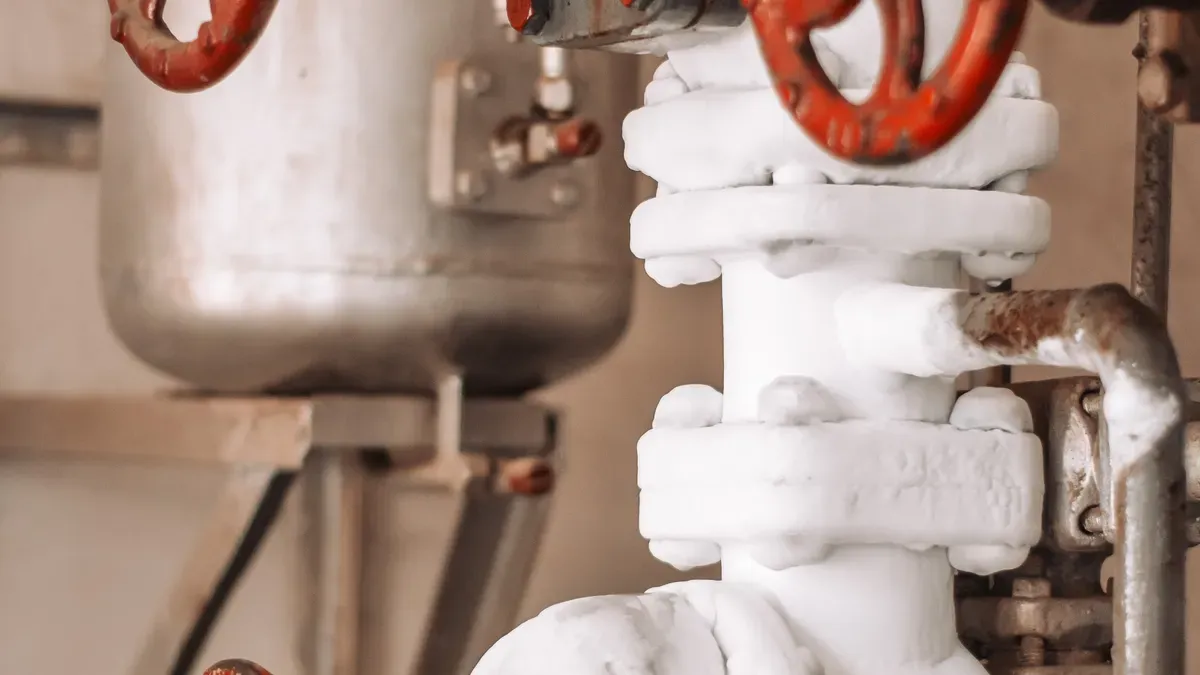
A floating ball valve has a simple design. It helps control fluids in big machines. When you use this valve, the ball inside moves a little. The ball pushes against the seat. This makes a tight seal. Many companies pick this valve. It gives a strong seal. It is easy to use. It does not need much fixing. You can see the main reasons in the table below:
|
Advantage |
Description |
|---|---|
|
Affordability |
It does not cost a lot for many uses |
|
Lower Maintenance |
Simple design means less time fixing it |
|
High-Quality Tight Seal |
Stops leaks and helps fluids move well |
|
Low Torque |
Easy to use by hand or machine |
TANGGONG VALVE is a trusted company. They make good ball valve solutions for factories.
Key Takeaways
-
Floating ball valves make a tight seal. This stops leaks and keeps fluid moving well.
-
Their simple design means less maintenance is needed. This saves users time and money.
-
These valves work with a fast quarter-turn motion. They are easy to use in many situations.
-
TANGGONG VALVE products follow global safety rules. This makes them reliable in tough places.
-
Pick floating ball valves for low or medium pressure systems. They work well in water, oil, and chemical industries.
Floating Ball Valve Design

Key Components
When you look at a floating ball valve, you see a simple but smart design. Each part has a special job. TANGGONG VALVE’s ball valve series uses these parts to make sure you get reliable performance in your system. Here are the main components you will find:
-
Ball: This is a round part with a hole in the middle. It controls how fluid moves through the valve.
-
Stem: The stem connects the ball to the handle or actuator. It helps you turn the ball to open or close the valve.
-
Seats: These are rings that press against the ball. They stop leaks when the valve is closed.
-
Body: The body holds all the parts together. It keeps the valve strong under pressure.
-
Handle or Actuator: You use this part to turn the valve by hand or with a machine.
TANGGONG VALVE builds each of these parts with care. The company uses strong materials like stainless steel and Inconel. These materials help the valve last longer and work well in tough places. TANGGONG VALVE’s floating ball valves meet important standards, such as API 6D and ISO 9001:2015. This means you can trust them for safety and quality.
How the Floating Mechanism Works
The floating ball valve gets its name from the way the ball sits inside the valve. The ball is not fixed in place. It can move a little between the seats. This movement is what makes the valve special.
-
The ball floats between two seats made from strong, flexible materials.
-
When you close the valve, fluid pressure pushes the ball against the seat on the downstream side.
-
This pressure makes the seal even tighter, so you get less chance of leaks.
-
The ball can move up and down a bit. This helps the valve keep a good seal, even if the pressure changes.
-
The floating action lets the valve adjust itself. You do not have to worry about small changes in pressure.
You can see how this design compares to other types in the table below:
|
Feature |
TANGGONG VALVE's Floating Ball Valves |
Standard Industry Models |
|---|---|---|
|
Ball Mechanism |
Non-anchored, floats with pressure |
Anchored at top and bottom |
|
Sealing Capability |
Bi-directional sealing |
Typically uni-directional |
|
Pressure Handling |
Low to medium pressure |
Higher pressure capabilities |
|
Design Complexity |
Simple and cost-efficient |
More complex designs available |
This design makes the floating ball valve easy to use and cost-effective. You get a valve that works well for many jobs, especially where you need a tight seal and quick operation. TANGGONG VALVE tests its floating ball valves for high pressure and temperature. The valves meet strict safety rules, so you can use them in tough places like oil and gas plants or chemical factories.
Tip: When you choose a floating ball valve from TANGGONG VALVE, you get a product that follows global safety and quality standards. This gives you peace of mind in your daily operations.
Floating Ball Valve Operation
Step-by-Step Working Principle
You can operate a floating ball valve with ease. The process starts when you turn the handle or actuator. The stem connects to the ball inside the valve. The ball has a hole drilled through it. When you rotate the stem, the ball turns.
Here is how the operation works:
-
The valve stays open when the hole in the ball lines up with the pipe. Fluid flows straight through.
-
You turn the stem 90 degrees. The ball rotates so the hole moves out of line with the pipe.
-
The ball blocks the flow path. Fluid cannot pass through.
-
Line pressure pushes the ball against the downstream seat. This creates a tight seal.
You can see that the floating ball valve uses a simple quarter-turn motion. This makes it fast and easy to operate. You do not need much force to turn the handle. The design lets you open or close the valve quickly.
Tip: If you need to shut off fluid fast, a floating ball valve gives you reliable performance. The quarter-turn action saves time and reduces effort.
Sealing and Flow Control
The floating ball valve uses line pressure to help seal the valve. When you close the valve, fluid pressure pushes the ball against the seat. This makes the seal tighter. The valve adjusts itself as pressure changes. You get a strong seal even if the pressure goes up or down.
The seat design in TANGGONG VALVE’s ball valve series uses resilient materials. These materials press against the ball and stop leaks. The floating action keeps the ball in contact with the seat. This reduces the risk of leaks and improves sealing performance.
You can see how line pressure and seat design work together in the table below:
|
Evidence Description |
Key Points |
|---|---|
|
Pressure-assisted sealing |
Line pressure pushes the ball into the downstream seat, forming a tight seal. |
|
Self-adjusting mechanism |
The floating action keeps the ball in contact with the seat under changing pressure. |
|
Tight seal creation |
Fluid pressure ensures a tight seal when the valve is closed. |
The floating ball valve also controls flow with low resistance. The straight-through design lets fluid move easily. You get a low pressure drop across the valve. This means your system works more efficiently.
|
Advantage |
Description |
|---|---|
|
Quick Operation |
Low torque needed for fast actuation. |
|
Low Pressure Drop |
Minimal resistance to flow, improving efficiency. |
|
Excellent Sealing |
Tight seal against the seat, reducing leaks and ensuring good flow control. |
You spend less time on maintenance with a floating ball valve. The simple structure means fewer parts to fix. You can repair or replace parts easily. This saves you time and money.
Note: TANGGONG VALVE’s floating ball valves use high-quality materials and advanced seat designs. You get reliable sealing and smooth flow control in demanding industrial environments.
Floating vs. Trunnion Ball Valves
Design Differences
Floating ball valves and trunnion-mounted ball valves are not the same. The main difference is how the ball sits inside the valve. Floating ball valves connect the ball only to the stem. The ball can move a little when you use the valve. Trunnion-mounted ball valves hold the ball at the top and bottom. This keeps the ball steady and stops it from moving.
Here is a table that shows the main differences:
|
Feature |
Floating Ball Valves |
Trunnion-Mounted Ball Valves |
|---|---|---|
|
Ball Support |
Attached only to the stem |
Mechanically anchored at the top and bottom |
|
Operation Suitability |
Generally for smaller bore and lower pressure |
Suitable for larger bore and higher pressure |
|
Torque Characteristics |
Higher torque due to ball movement |
Lower torque due to ball being supported in two places |
|
Seal Creation |
Ball can float downstream to create a seal |
Ball is held in place, ensuring a consistent seal |
Floating ball valves work best for small and medium pipes. Trunnion-mounted ball valves are good for bigger pipes and higher pressure. The trunnion design makes it easier to turn the valve. This helps in large systems.
Application Suitability
You need to pick the right valve for your job. Floating ball valves are used in water systems, air networks, and HVAC. These valves are easy to put in and do not cost much. They work well where the pressure is not too high and the risk is low.
Trunnion-mounted ball valves are used for high pressure and big pipes. You see them in gas pipelines and chemical plants. The trunnion keeps the ball from changing shape and keeps the seal tight, even when things get tough.
Think about these points when picking a valve:
-
Floating ball valves are best for low or medium pressure. They work well with clean or slightly dirty fluids.
-
Trunnion-mounted ball valves are good for high pressure. They keep a strong seal and need less force to turn.
-
Floating ball valves do not work well above 6 inches. Trunnion valves can handle bigger sizes easily.
TANGGONG VALVE has many choices for tough jobs. You can pick from different materials, even special alloys. The company can make custom valves and has advanced factories. You get special solutions for oil, gas, and other hard jobs.
|
Feature |
TANGGONG VALVE |
Competitors |
|---|---|---|
|
Portfolio |
Broad portfolio for extreme conditions |
Varies, often less specialized |
|
Material Options |
Includes exotic materials |
Limited options |
|
Customization |
Strong emphasis on customization |
Less focus on customization |
|
Manufacturing Capabilities |
Extensive facilities and engineering |
Varies, often less robust |
|
Industry Focus |
Specialized in petrochemical industry |
General industrial applications |
Tip: You can trust TANGGONG VALVE’s ball valves for many needs. The company’s skill helps you get the right valve for your job.
Industrial Applications
Common Uses
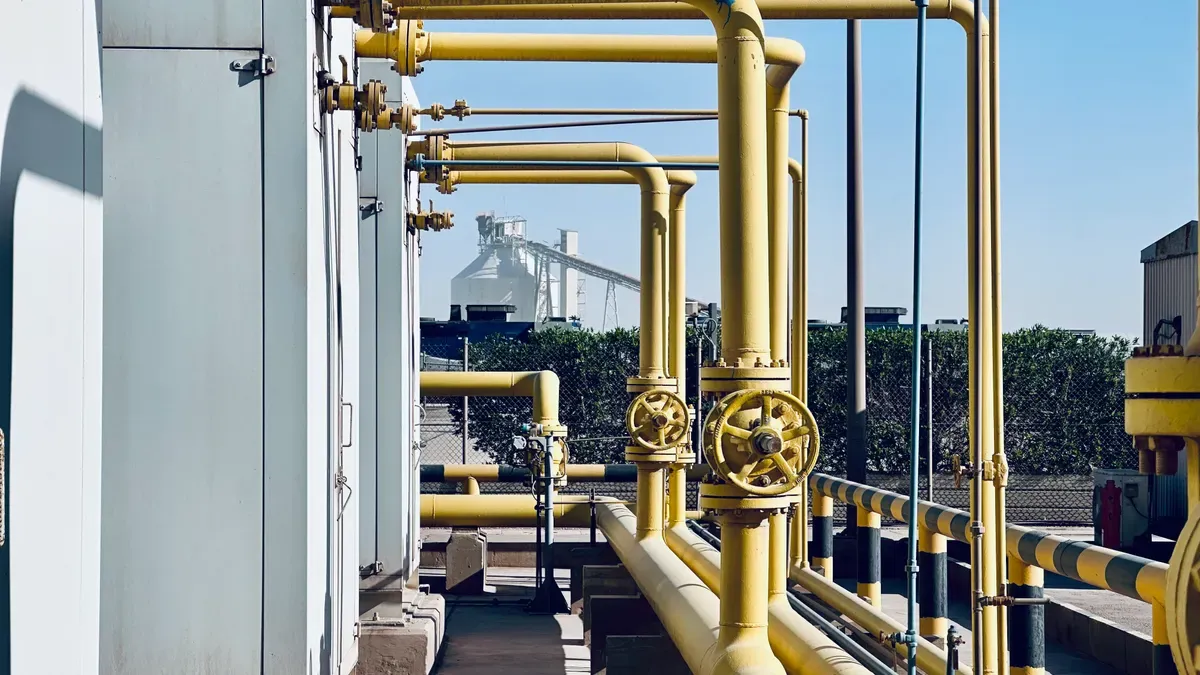
Floating ball valves are used in many big industries. These valves help move fluids and keep machines working well. Here are some places where you might see them:
-
Oil and gas: These valves control wells and pipelines. They can stop flow fast in emergencies. They work in both upstream and downstream jobs.
-
Water and wastewater treatment: These valves help control water flow. They also help stop leaks in water plants.
-
Power generation: Power plants use these valves a lot. They control steam, water, and other fluids for making energy.
-
Chemical processing: These valves handle strong chemicals safely. They help with flow control and keep things safe.
-
Mining: These valves move slurries and fluids in mines. They work well in rough places and help systems run better.
-
HVAC systems: These valves help control heating and cooling in big buildings.
These valves give you good flow control in many places. Their simple design and strong seal make them a great pick for jobs that need to work well every day.
Benefits of TANGGONG VALVE Solutions
When you pick TANGGONG VALVE, you get more than a valve. You get a solution made for your needs. TANGGONG VALVE’s ball valves are special for many reasons:
-
Durability: The valves use strong materials like stainless steel and Inconel. This helps them last longer, even in hard places.
-
Compliance: Each valve meets tough world standards like API 6D, CE, and ISO 9001:2015. You can trust they are safe and work well.
-
Adaptability: TANGGONG VALVE has many sizes, materials, and seat choices. You can find the right valve for almost any job.
-
Certifications: The company has over 200 national patents and many world certificates. This shows they care about quality.
-
Global presence: TANGGONG VALVE works in more than 35 countries. You get help no matter where your project is.
-
Customer support: You can get free help picking a valve and technical support. The team helps you find the best answer.
Note: TANGGONG VALVE cares about quality, new ideas, and helping customers. This helps you work safely and well in any industry.
You now know how floating ball valves work. They help your system run well. These valves have important benefits.
|
Feature |
Description |
|---|---|
|
Simple Structure |
The valve body is small and costs less to make. |
|
Reliable Sealing |
The seal works well in small pipes and lower pressure. |
|
Easy Maintenance |
There are few parts inside, so seats are easy to change. |
TANGGONG VALVE is special for several reasons:
-
They test their products carefully to make sure they work.
-
Their certifications show they follow industry rules.
-
Their awards prove they care about making quality products.
Pick TANGGONG’s ball valve series for your next job. You will get a valve you can trust.
FAQ
What is a floating ball valve?
You use a floating ball valve to control fluid flow. The ball inside moves slightly and presses against the seat. This creates a tight seal and stops leaks.
Where can you install a floating ball valve?
You can install a floating ball valve in water systems, oil pipelines, chemical plants, and HVAC units. It works well in places that need reliable shut-off and easy operation.
How do you operate a floating ball valve?
You turn the handle or actuator. The ball rotates inside the valve. When the hole lines up with the pipe, fluid flows. When you turn it, the flow stops.
Why should you choose TANGGONG VALVE for your project?
You get strong valves made from quality materials. TANGGONG VALVE offers many sizes and designs. You receive support and products that meet global standards.