



You use an electric butterfly valve to control flow. It works for liquids or gases in big pipes. The valve has a disc that turns with an electric actuator. This makes it work quickly and accurately. The global market for electric butterfly valves keeps growing. People in oil and gas, water treatment, electric power, and chemical processing use these valves every day.
|
Year |
Market Size (USD) |
|---|---|
|
2024 |
12.1 billion |
|
2030 |
15.8 billion |
TANGGONG VALVE is a leader with great butterfly valves. If you need helpful tips and advice, you will find useful information here.
Key Takeaways
-
Electric butterfly valves help control flow in big pipes. They work for liquids and gases. These valves move fast and are very accurate. This makes them good for many industries.
-
The electric actuator is very important for the valve. It changes electrical energy into movement. This lets you control the valve’s position exactly.
-
Regular maintenance is needed for electric butterfly valves. Checking and cleaning them often stops leaks. It also helps them last longer.
-
Picking the right butterfly valve is important for safety. It also helps things work well. Different jobs need special valve designs. These designs handle pressure and flow the right way.
-
TANGGONG VALVE makes butterfly valves that are high quality. Their valves meet international standards. Their products work well for important jobs in many industries.
Electric Butterfly Valve Operation
Working Principle
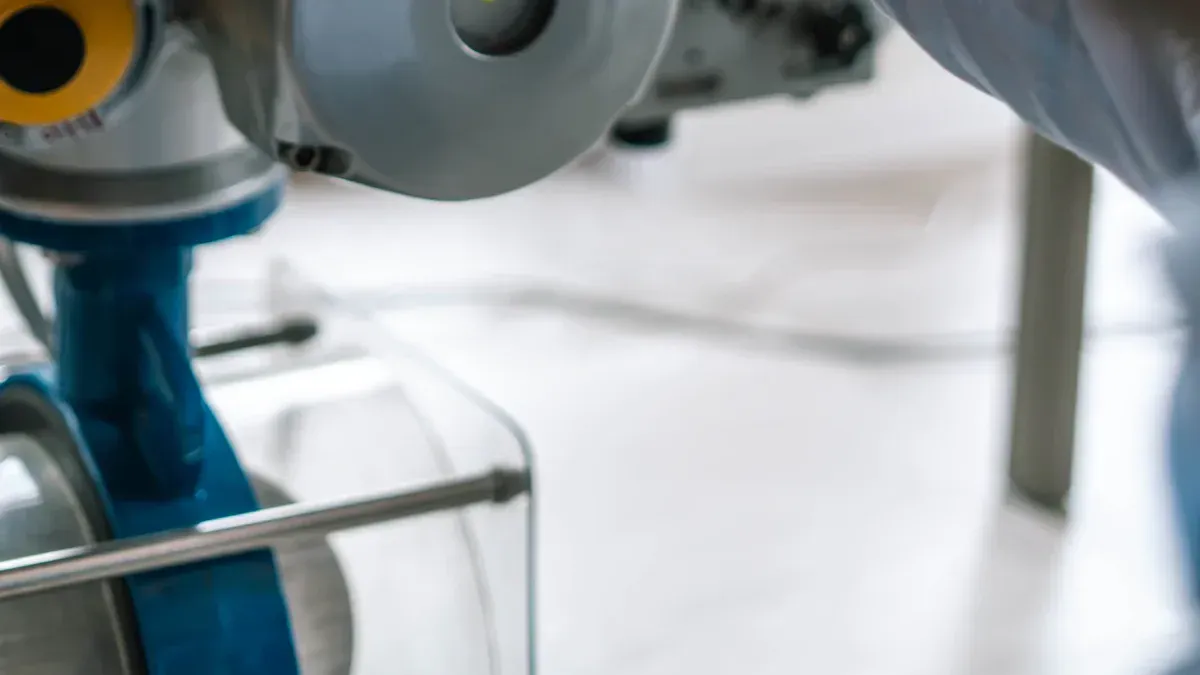
You can see how an electric butterfly valve works by watching its parts move. The electric actuator turns the stem. This makes the butterfly plate spin inside the valve body. Turning the plate 90 degrees opens or closes the valve. This movement lets you control liquids or gases in pipes easily. The design helps the valve work fast and well. It only needs a little energy to move the disc. This saves power in big systems.
Butterfly valves give you a clear on-off function. You can also set the disc at any angle between open and closed. This lets you control flow for many uses. You find these valves in water treatment, chemical plants, and power stations. Electric butterfly valves are special because they are easy to use and work strongly.
Role of the Electric Actuator
The electric actuator is the main part of the electric butterfly valve. It changes electrical energy into movement. This movement turns the stem and moves the disc. The actuator does several important jobs:
-
Electric actuators open and close butterfly valves.
-
They turn electrical energy into spinning motion to move the valve.
-
A quarter-turn actuator spins the disc 90 degrees to open or close the valve.
-
You can use electric actuators from far away or with a control system. This lets you automate the valve.
-
The actuator gives the right force to the valve. This makes sure it works well every time.
You can pick from different kinds of actuators. The quarter-turn actuator is the most common for butterfly valves. It gives quick and accurate movement. Here are the main types and what they do:
|
Type |
Description |
|---|---|
|
Multi-turn Actuators |
Used for straight movement in gate and globe valves |
|
Quarter-turn Actuators |
Best for ball and butterfly valves, giving 90° rotation |
Electric actuators make butterfly valves quiet and efficient. You can set them up for special jobs. They fit into control systems easily. They keep the valve in place without using extra energy. This saves power and lowers noise in your plant.
Flow Control Mechanism
Butterfly valves help control flow because they can turn on and off or adjust how much fluid goes through. The electric actuator lets you set the disc at any angle. This means you can control the amount of fluid passing through. The actuator reacts to different voltages and smart modules. This gives better accuracy than manual or pneumatic butterfly valves.
-
Electric butterfly valves are very precise because they use different voltages and smart modules.
-
Pneumatic butterfly valves change quickly but are not as accurate as electric ones.
-
Manual valves are the least accurate because people operate them and can make mistakes.
You get many benefits when you use electric butterfly valves for flow control:
-
They save energy and respond quickly. The valve needs little force and opens or closes fast. This is good for systems that need quick action.
-
You can control the valve from far away. This means less manual work and keeps people safe in risky places.
-
The simple design means you spend less time and money fixing the valve.
TANGGONG VALVE gives you strong butterfly valves that meet tough international rules. The company has certifications like ISO9001:2015, CE, and API 609. You can trust their valves to work nonstop in important pipelines. Many industries, like oil and gas, chemical plants, and power stations, use TANGGONG VALVE butterfly valves for reliable flow control every day.
Tip: If you pick an electric butterfly valve from TANGGONG VALVE, you get a product made to last, automate, and control flow exactly. This helps you make your plant safer and more efficient.
TANGGONG VALVE Butterfly Valve Features
Product Structure Overview
Butterfly valves have several main parts. Each part does something important. The design helps you control flow easily. It also keeps your system safe. Here is a table that shows the main parts and what they do:
|
Component |
Function |
Design Considerations |
|---|---|---|
|
Valve Body |
Holds all parts inside and keeps them safe. |
Handles high pressure and heat. Comes in flanged, wafer, or lugged. |
|
Disc (Butterfly) |
Turns to open or close flow in the pipe. |
Can be concentric or offset. Offset types seal better and last longer. |
|
Seat |
Stops leaks when the valve is closed. |
Made from strong materials. You can pick resilient or metal-to-metal seat. |
|
Stem |
Connects the disc to the actuator. |
Needs to be strong but flexible. Can be single or multi-piece. |
|
Seals/Gaskets |
Keep fluid from leaking around moving parts. |
Made from elastomers or polymers for tough jobs. |
|
Actuator |
Moves the disc by turning the stem. |
Can be electric, pneumatic, or manual. |
This setup makes butterfly valves work well. They are easy to use and need less fixing.
Key Materials and Certifications
You want butterfly valves that last a long time. They must meet strict rules. TANGGONG VALVE uses strong materials like stainless steel, ductile iron, and alloy steel. These materials handle high pressure, heat, and harsh chemicals. The seat can be PTFE, RTFE, EPDM, or metal-to-metal for different needs.
TANGGONG VALVE butterfly valves have many certifications. These show the valves meet global standards for safety and quality. Here is a table of important certifications:
|
Certification |
Description |
|---|---|
|
ISO9001:2015 |
Quality management |
|
CE |
European conformity |
|
TUV |
Technical inspection |
|
SGS |
Quality assurance |
|
API 6D |
Pipeline valves |
|
API 607 |
Fire test for valves |
You can trust these butterfly valves in your system. They pass tough tests and follow international standards.
Application Scenarios
Butterfly valves work in many places. They are used in water plants, chemical factories, oil and gas pipelines, and power stations. You also find them in HVAC systems and marine projects. Butterfly valves help control flow, stop leaks, and keep your plant safe.
-
Water distribution: Butterfly valves shut off fast and control flow.
-
Chemical processing: Pick special seats and discs for strong chemicals.
-
Oil and gas: Use fire-safe and high-pressure butterfly valves.
-
Power generation: Use them for steam, cooling, and isolation.
-
Marine: Choose corrosion-resistant butterfly valves for seawater.
TANGGONG VALVE butterfly valves are strong and safe. They work for many jobs and meet strict rules. You can count on them for long service and easy use.
Electric Butterfly Valve Assembly Steps
Preparation and Inspection
You need to get ready before you build butterfly valves. Good planning helps you avoid mistakes and keeps you safe. Here are some steps to follow:
-
Put on PPE like gloves and safety glasses.
-
Work where there is fresh air so you do not breathe bad stuff.
-
Use lockout and tagout steps to make sure the system is safe.
-
Shut all valves before and after the work area. This stops fluid from coming in.
-
Put blind flanges in place and check that there is no pressure left.
-
Gather tools like wrenches, pressure gauges, and leak spray.
-
Get important papers like valve specs and checklists.
Tip: Checking parts before you start helps you find damage or missing pieces. This saves time and stops problems when you install the valve.
Mounting the Actuator
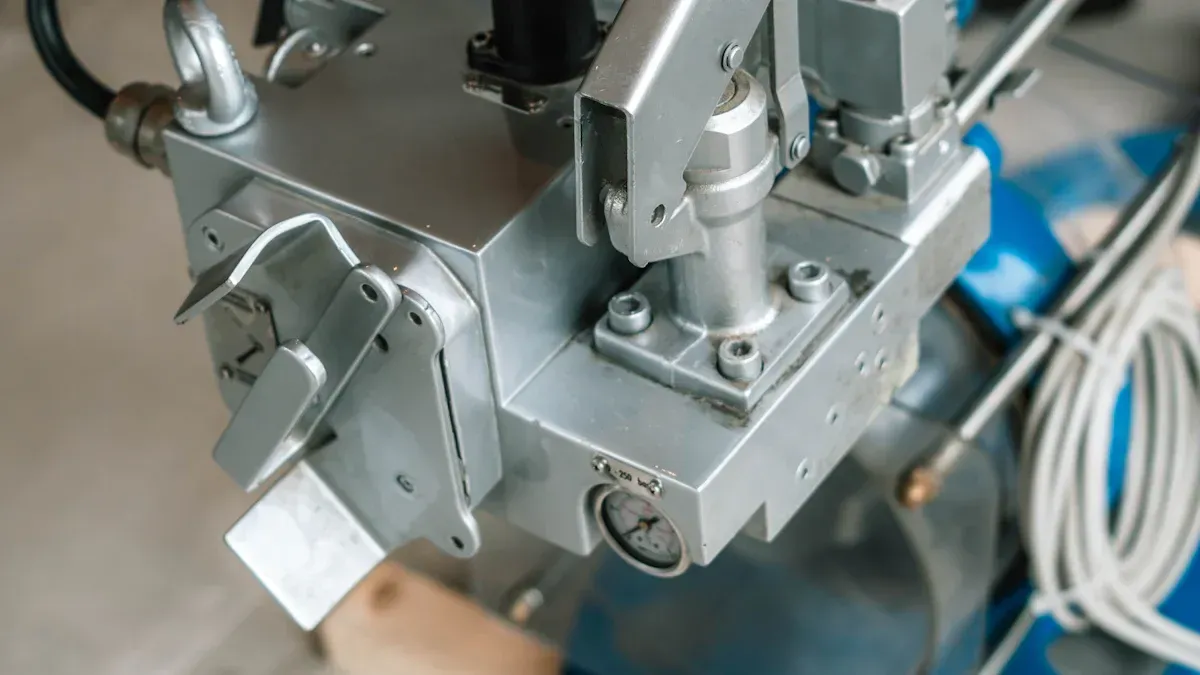
You must put the actuator on the butterfly valve the right way. Most TANGGONG VALVE butterfly valves have a direct mount ISO 5211 stem and pad. This lets you attach the actuator without extra parts. You can add actuators to manual valves later if you need.
Here is what you should do:
-
Look at the stem shape. Common shapes are square, double-D, bore-and-key, starred, or splined.
-
Line up the actuator with the valve stem.
-
Bolt the actuator to the valve using the holes on the plate.
-
Make sure the actuator sits flat and does not lean.
The ISO standard makes mounting easy. You can use actuators from different brands with TANGGONG VALVE butterfly valves. This gives you choices and saves time when you install.
Connecting Valve and Actuator
You need to connect the valve and actuator carefully. Good alignment and tight connections help the valve work well and last longer. Here are some best ways to do this:
-
Use a strong base for big valve setups. This keeps the valve steady.
-
Think about temperature changes. Use flexible couplings if things get hot or cold.
-
Follow rules like ASME B16.34 and API 6D for alignment.
-
Tighten bolts evenly so the valve body does not get stressed.
-
Check the alignment by looking and measuring.
-
Plan to check the connections and bolt torque often.
Note: TANGGONG VALVE uses strict quality checks when making valves. You should use these best ways to match their high standards when you install.
Testing and Adjustment
After you build the electric butterfly valve, you must test and adjust it. This step makes sure the valve works safely and smoothly.
Follow these steps:
-
Check and test the actuator before using the valve.
-
Do a pressure test after repairs. Use the right standards for your job.
-
Adjust the limit switches. These switches control how far the valve opens and closes. Use the actuator manual to help you.
-
Set the positioner. Calibrate the actuator so the disc moves to the right spot.
-
Measure the disc with a ruler or caliper. Make sure it matches the opening you want.
-
Open and close the valve a few times. Watch for smooth movement and a tight seal.
Callout: Always write down your test results. This helps you track how the valve works and find problems early.
TANGGONG VALVE tests every butterfly valve in advanced labs. You should follow these steps to keep your installation safe and reliable.
Butterfly Valve Maintenance Best Practices
Storage and Handling
You keep butterfly valves safe by storing them in a clean place. Make sure the area is dry and has good air flow. Keep the temperature between 15°C and 25°C. Moisture and dirt can cause rust. Use straps or slings to lift the valve. This stops the body from getting damaged. Always store valves flat, not upright. This helps protect the seat from stress. Keep the valve almost closed to guard the sealing edge. Do not stack valves on top of each other. This keeps the valve safe and ready to use.
-
Store in a dry place with good air flow.
-
Keep the valve clean and away from trash or harmful stuff.
-
Protect the sealing edge and seat by keeping the valve almost closed.
Tip: Handle butterfly valves gently. Use the right lifting tools to prevent accidents.
Routine Maintenance
You make butterfly valves last longer by checking them often. Look at the disc and stem for marks or pits. Put anti-seize compound on parts and tighten fasteners. Clean the valve body and seals with gentle cleaners. Check for cracks and make sure seals are still stretchy. Move the valve every day or week. Watch for leaks and check air pressure. Take the valve apart every few months for a deep look. Test how tight the seals are and check O-rings. Do big checks and pressure tests once a year. Change old parts and set up instruments right. Teach your team and use good parts for best results.
|
Maintenance Task |
Frequency |
Importance |
Notes |
|---|---|---|---|
|
Visual Inspection |
Monthly |
High |
Look for leaks, rust, and if the valve lines up. |
|
Operational Testing |
Quarterly |
Critical |
Make sure the valve opens and closes easily. |
|
Cleaning |
Biannual |
Medium |
Take off dirt and buildup from the valve body. |
|
Lubrication |
Annually |
Important |
Put the right grease on moving parts. |
|
Replacement of Parts |
As needed |
Critical |
Check seals and gaskets; change if they are damaged. |
Callout: Butterfly valves work best with careful maintenance. Routine checks keep them reliable.
Troubleshooting Tips
You fix butterfly valve problems by following easy steps. If you see leaks or seal issues, look for drips and change seals with good ones. For actuator problems, check if the voltage is steady and use surge protectors. If the valve acts strange, check wires and grease gears. Watch for rust or color changes. Put on protective coatings and wash the valve often. Use materials that resist rust in tough places.
-
Fix leaks by closing the valve, taking out the old seal, cleaning the area, and putting in a new seal.
-
Solve actuator issues by checking wires, making sure power is right, and greasing gears.
-
Stop rust by using epoxy coatings and picking the right materials.
Note: You avoid problems by doing these steps. Butterfly valves are easy to care for and work well. Regular care keeps butterfly valve actuation smooth and efficient.
You now know how electric butterfly valves work and are put together. Electric actuators help save energy and let you control things exactly. You keep valves working well by checking, oiling, and cleaning them often. TANGGONG VALVE is known for good quality, new ideas, and making special products. Their valves are trusted for strong shut-off, fighting rust, and handling high heat.
|
Reason to Choose TANGGONG VALVE |
Description |
|---|---|
|
Quality |
High standards and strict testing |
|
Experience |
Over 36 years in valve manufacturing |
|
Custom Solutions |
Designed for your industry needs |
Pick TANGGONG VALVE if you want butterfly valves you can count on.
FAQ
What are the main types of butterfly valves?
There are many kinds of butterfly valves. Some types are wafer, lug, double flanged, high-performance double offset, and triple offset. Each type is good for certain jobs. You need to pick the right one for your system.
Where can you use butterfly valves in real-world applications?
Butterfly valves are used in lots of places. They work in water treatment, chemical plants, oil and gas, HVAC, and marine systems. You also see them in fire-safe jobs, steam isolation, and energy storage. Different jobs need different types.
How do you select the right types of butterfly valves for your applications?
You should check the pressure, temperature, and what flows in your system. Some butterfly valves are better for high pressure or strong chemicals. Others are good for water or air. Always match the valve to your job for safety and good performance.
What are the benefits of using different types in various applications?
Picking the right butterfly valve gives you better control and safety. Some types seal tight so nothing leaks. Others can handle high heat or stop rust. Using the right type helps your system last longer and need less fixing.
Can you use one type of butterfly valve for all applications?
You cannot use just one type everywhere. Different butterfly valves are made for different jobs. Triple offset types are good for fire-safe jobs. Wafer types are best for water systems. Always check your job before picking a valve type.