



You use a forged steel ball valve to control flow in pipes. It works for liquids or gases. This valve is made by forging steel. Forging means heating and pressing steel into shape. This makes the valve strong and dependable. The valve can handle very high pressure. It lasts a long time and seals very well. TANGGONG VALVE is a trusted maker of these valves. Their valves work well and last long.
-
Handles high pressure and heat
-
Stops leaks with a tight seal
-
Stays strong in tough places
Key Takeaways
-
Forged steel ball valves are very strong and dependable. They work well in places with high pressure and heat. These valves make a tight seal to stop leaks. This keeps people safe in industries like oil, gas, and chemicals. You need to check and oil the valves often. This helps them work better and last longer. Picking the right materials and valve types is important. It helps the valves work best in different places and jobs. TANGGONG VALVE has many forged steel ball valves. These valves follow strict safety rules for good quality and long life.
What Is a Forged Steel Ball Valve
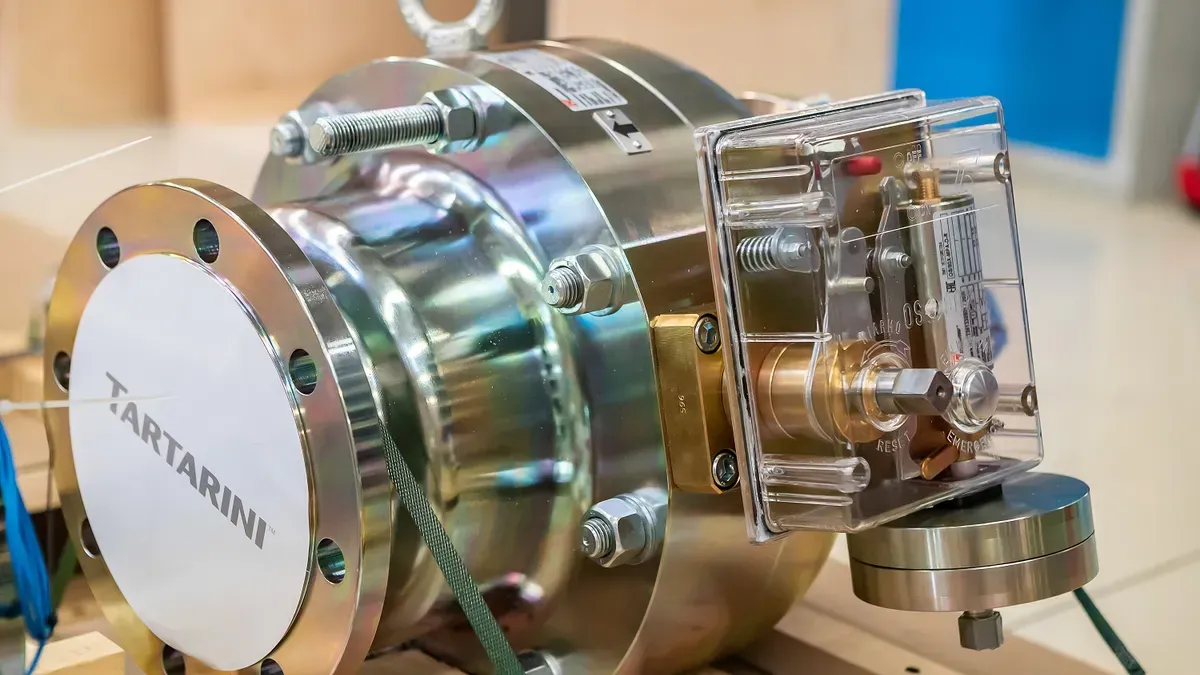
A forged steel ball valve lets you control flow in pipes. It works for both liquids and gases. You pick this valve when you need something strong. It also seals well and does not leak. The name comes from how it is made. Forging means heating steel and pressing it into shape. This makes the steel very tough. The valve gets extra strength from this process. People use forged steel ball valves where pressure is high. They also use them where safety is important.
TANGGONG VALVE uses special forging methods to make these valves. Their valves follow strict rules like API 6D, API 607, and ISO9001:2015. You can trust these valves in oil and gas places. They also work in power plants and chemical factories.
Key Parts of a Forged Ball Valve
A forged ball valve has many important parts. Each part does a special job. The body holds all the parts together. The ball sits inside and turns to open or close flow. Seats keep the ball in place and help seal the valve. The stem links the ball to the handle or actuator. The handle lets you turn the valve easily. Packing stops leaks around the stem.
Here is a simple table that shows the main parts and what they do:
|
Component |
Description |
|---|---|
|
Body or Shell |
Holds all parts and keeps flow inside. |
|
Bonnet |
Covers the body opening and adds strength. |
|
Trim |
Has moving parts like the ball, seat, and stem. The ball is the third pressure boundary. |
|
Actuator |
Opens and closes the valve. It sits on the bonnet. |
|
Packing |
Seals the stem to stop leaks and protect inside parts. |
Each part helps the forged ball valve work safely and well. TANGGONG VALVE uses good materials for these parts. Some common ones are ASTM A105 carbon steel for pressure, ASTM A182 F304/F316 stainless steel for chemicals, and ASTM A350 LF2 for cold places. These materials meet rules like API 6D and ASME B16.34.
|
Material Specification |
Description |
|---|---|
|
ASTM A105 |
Carbon steel for pressure systems at normal or hot temperatures. |
|
ASTM A182 F304/F316 |
Stainless steel for places with chemicals. |
|
ASTM A350 LF2 |
Carbon steel for very cold places. |
|
API 6D / API 608 |
Rules for pipeline and general ball valves. |
|
ASME B16.34 |
Sets design, material, and pressure rules. |
|
MSS SP-72/SP-110 |
Rules for ball valves with threaded or socket weld ends. |
|
Pressure Classes |
Go from Class 150 to Class 2500, with different pressure and temperature ratings. |
Forged Steel vs. Cast Steel
You may wonder why you should pick a forged ball valve instead of a cast one. Forging and casting are two ways to shape steel. Forging uses heat and pressure to make steel strong and dense. Casting pours melted steel into a mold. Forged steel ball valves are stronger and have fewer problems.
Check this table to see the differences:
|
Feature |
Forging |
Casting |
|---|---|---|
|
Mechanical Strength |
Stronger |
Weaker |
|
Grain Structure |
Smooth |
Rough |
|
Risk of Defects |
Fewer problems |
More problems |
|
Density |
High |
Can change |
|
Impact Resistance |
Better |
Not as good |
|
Fatigue Life |
Lasts longer |
Wears out faster |
You choose a forged ball valve for strength and long life. TANGGONG VALVE checks quality very carefully. They track materials and test each valve for leaks and strength. Their process includes checking the source, the making, and the results. You can count on their valves for hard jobs.
Tip: Pick a forged steel ball valve if you need one for high pressure, very hot or cold places, or where safety is very important.
You also get new features with these valves. TANGGONG VALVE adds smart features like sensors and remote checks. They use better alloys and seats. These upgrades help the valve last longer and work better.
How a Forged Steel Ball Valve Works
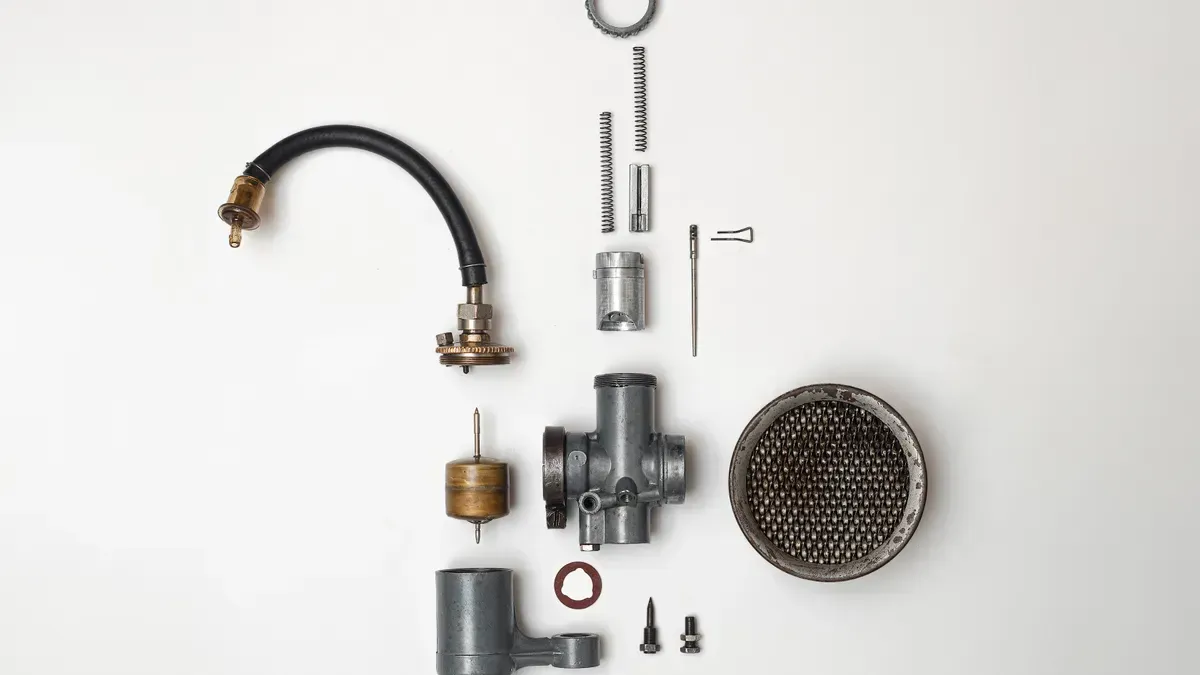
Opening and Closing Process
You control a forged steel ball valve with a simple turn of the handle or actuator. The process starts when you identify the main parts: the ball, valve body, stem, seat rings, and handle. Each part works together to make the valve easy to use and reliable.
Here is a step-by-step guide to how you operate the valve:
-
Find the handle or actuator on the valve.
-
Turn the handle 90 degrees. This action rotates the ball inside the valve body.
-
When the hole in the ball lines up with the pipeline, fluid flows through the valve.
-
To close the valve, turn the handle back 90 degrees. The ball moves so the hole is perpendicular to the pipeline, blocking the flow.
-
The seat rings press against the ball, creating a tight seal. This prevents leaks and keeps the system safe.
-
You can check the seal by looking for signs of leaks or listening for unusual sounds.
Note: You should always follow safety steps when operating valves. Make sure the valve is grounded to prevent static charges. Inspect the valve regularly to spot wear or damage early. Choose the right materials for your environment, especially if you work with chemicals or high temperatures.
How the Ball Controls Flow
The ball valve mechanism uses a round ball with a hole through its center. You turn the ball to control the flow of liquids or gases. When the hole matches the pipeline, fluid moves freely. If you turn the ball so the hole faces away from the pipeline, the flow stops.
-
The ball rotates inside the valve body.
-
Valve seats press against the ball, forming a tight seal.
-
You can use floating ball designs for smaller valves. These designs press the ball against the seat for a bubble-tight seal.
-
For larger valves, trunnion-mounted designs hold the ball in place. This reduces friction and makes turning easier.
The ball valve function is simple but powerful. You get quick shut-off and reliable control. These valves handle high pressure and temperature. You can use them for many types of fluids, including gases and liquids.
|
Failure Mode |
Cause |
Prevention Tips |
|---|---|---|
|
Seal Failure |
Seat wear, debris, or aging of sealing materials. |
Use PTFE or metal seats; clean regularly; replace seats on schedule. |
|
Corrosion or Scratches on the Ball |
Wrong material in harsh environments. |
Choose stainless steel or special alloys; install strainers to block particles. |
|
Stem Breakage or Seizure |
Metal fatigue or too much torque. |
Use blow-out proof stems; keep torque within limits; lubricate often. |
|
Improper Installation or Operation |
Mistakes during setup or use. |
Follow guidelines; secure connections; train operators. |
|
Blockage by Debris or Sediment |
Particles jam the ball or seat area. |
Install filters; flush and maintain regularly. |
Tip: You can prevent most problems by choosing the right valve, using proper materials, and keeping up with maintenance. TANGGONG VALVE designs valves with safety in mind. Their valves include anti-static parts, fire-safe features, and strong seals.
You can trust forged steel ball valves for tough jobs. They work in oil and gas, power plants, and chemical factories. You get strong performance and long life with proper care.
Forged Steel Ball Valve Advantages
Strength and Durability
A forged steel ball valve is made to be very strong. The forging process uses heat and pressure to shape the metal. This makes the metal dense and tough. Forged steel has a smooth grain inside. This helps the valve fight off rust and damage from harsh chemicals. It also keeps the valve from cracking or having air pockets. These problems can make other valves weak.
-
Forged steel valves last longer than cast iron or bronze.
-
The forging process removes weak spots, so there are fewer defects.
-
The valve keeps working even in rough places.
If you need a ball valve that works hard every day, forged steel is a good pick.
High Pressure and Temperature Resistance
Some places have pressure and temperature that change fast. Forged steel ball valves can handle these tough changes. The solid metal from forging helps the valve work well in hard times.
Forged steel is the best choice for extreme heat, cold, or heavy use. The smooth grain from forging gives you steady performance every time.
Forged steel is stronger than cast steel. You do not have to worry about tiny bubbles or weak spots. This means the valve can take more pressure without breaking. Oil and gas, chemical plants, and power stations use forged valves for this reason. You also get a tight shutoff, so your system stays safe and does not leak.
-
Forged steel ball valves are best for high-pressure jobs.
-
You can use them where safety and trust matter most.
-
TANGGONG VALVE makes high performance ball valves for peace of mind.
TANGGONG VALVE Applications
Forged steel ball valves are used in many industries. TANGGONG VALVE makes valves for hard jobs. Their products meet strict safety and environment rules. You help the planet by picking valves that seal well and last long.
Here is a table showing where you might use these valves:
|
Industry |
Typical Applications |
|---|---|
|
Chemical |
High-pressure medium transportation pipelines |
|
Metallurgy |
High-pressure medium transportation pipelines |
|
Petroleum |
High-pressure medium transportation pipelines |
|
Pharmaceutical |
High-pressure medium transportation pipelines |
|
Other Industries |
Severe working conditions for various media |
You also help the environment. Forged steel ball valves lower leaks and risks. They use materials that meet world standards. You get a valve that is safe, strong, and ready for the future.
Choosing the Right Forged Ball Valve
Key Features to Consider
When you choose a forged ball valve, you want to make sure it fits your needs. The right forged ball valve design gives you safety, long life, and easy use. Here are the most important features you should look at:
-
Material Selection: Pick a forged valve made from materials that match your fluid. Stainless steel works well for chemicals. Carbon steel is good for oil and gas. Always check for corrosion resistance.
-
Valve Size: Make sure the size matches your pipeline. TANGGONG VALVE offers sizes from 1/2 inch to 48 inches. This wide range helps you find the perfect fit.
-
Pressure and Temperature Ratings: Check if the forged valve can handle your system’s pressure and temperature. TANGGONG’s valves cover ratings from PN1.0 to 42.5MPa and ANSI Class 150 to 2500.
-
Type of Ball Valve: Decide if you need a two-way, three-way, or multi-port valve. Your choice depends on how you want to control the flow.
-
Actuation Method: Choose between manual handles, electric, pneumatic, or hydraulic actuators. Some jobs need quick action, while others need remote control.
-
End Connections: Look for threaded, flanged, or socket-weld ends. The right connection makes installation easier.
-
Compliance with Standards: Make sure your forged ball valve meets rules like API, ASME, or DIN. This ensures safety and quality.
|
Feature |
Description |
|---|---|
|
Valve Size and Port |
Full-port for max flow, reduced-port for compact spaces |
|
Material Selection |
Carbon steel, stainless steel, or alloy steel for different environments |
|
End Connection Types |
Threaded, flanged, or socket-weld for easy setup |
|
Actuation Options |
Manual, electric, pneumatic, or hydraulic |
|
Standards Compliance |
API, ASME, DIN for safety and reliability |
Tip: Always match the forged ball valve design to your system’s needs. This helps you avoid leaks and keeps your operation safe.
Selection Tips from TANGGONG VALVE
You can make a smart choice by following these simple tips from TANGGONG VALVE:
-
Think about what flows through your pipes. If you use harsh chemicals, pick a forged valve with the right metal and seat material.
-
Check the pressure and temperature in your system. TANGGONG’s forged ball valves work in extreme heat, cold, and high-pressure jobs.
-
Choose the right actuation. Manual handles work for small systems. For big or remote systems, use electric or pneumatic actuators.
-
Look for valves that meet top standards. TANGGONG VALVE tests every forged valve for leaks and strength.
-
Ask for help if you are unsure. TANGGONG’s team can guide you to the best forged ball valve for your job.
You should also plan for regular care. Inspect your forged valve often. Lubricate moving parts and clean out dirt. Replace seals if you see wear. Good maintenance keeps your forged ball valve working for years.
If you need a valve for oil, gas, chemicals, or water, TANGGONG VALVE has a forged solution for you. Their wide range and expert support make it easy to find the right fit.
You have learned that a forged steel ball valve is strong and reliable. These valves give you many good things:
-
They last a long time and stay strong.
-
They close tightly so nothing leaks out.
-
You do not need to fix them often.
-
They work well when pressure or heat is high.
People use these valves in oil and gas, water cleaning, and power plants. If you need a tough valve that keeps working, TANGGONG VALVE has good choices.
|
Challenge |
Solution |
|---|---|
|
Internal Leakage |
Set the valve’s zero spot right |
|
Insufficient Torque |
Pick a stronger actuator |
|
Cavitation Corrosion |
Use the best valve for your system |
Pick TANGGONG VALVE for safe, easy, and long-lasting forged steel ball valves.
FAQ
What is the main job of a ball valve?
You use a ball valve to start or stop the flow in a pipe. The ball inside the valve turns to open or close the path. This makes the ball valve quick and easy to use.
How do you know when to choose a forged steel ball valve?
You pick a forged steel ball valve when you need extra strength. If your system has high pressure or temperature, this type of ball valve works best. It also gives you a tight seal and long life.
Can a ball valve handle both liquids and gases?
Yes! You can use a ball valve for liquids and gases. The design of the ball valve lets you control many types of flow. This makes the ball valve a good choice for many jobs.
How do you keep a ball valve working well?
You should check your ball valve often. Clean it and look for leaks. Lubricate moving parts if needed. If you see damage, replace the ball valve or its seals. Good care helps your ball valve last longer.
Where do you use a ball valve from TANGGONG VALVE?
You find a ball valve from TANGGONG VALVE in oil and gas, chemical plants, water systems, and power stations. These ball valve products work in tough places and meet strict safety rules.