



You should pick a forged ball valve if you need high strength. Forged ball valves are also good for durability and tough conditions. They work well when there is very high pressure or heat. Cast valves are better for jobs that are not as hard. Cast valves are good if you need special shapes or want to save money. Choosing the right ball valve keeps your system safe. It also helps your system work well and saves money. Always think about the pressure and heat in your system. You should also look at how complex your setup is before you choose.
Key Takeaways
-
Pick forged ball valves if you need strong and tough valves. They work better than cast valves in high pressure and heat.
-
Cast ball valves are good for jobs with lower pressure. They also work well for special shapes. They cost less and fit many uses in factories.
-
Think about what your system needs before you pick a valve. Look at things like pressure, temperature, and the fluid type. This helps keep your system safe and working well.
-
Forged steel valves last longer and need less fixing than cast steel and cast iron valves. This saves you both time and money.
-
Always look at the rules and certificates for the valves you buy. This makes sure your valves are safe and work well in your factory.
Cast Ball Valve vs. Forged Ball Valve
What Is a Cast Ball Valve?
A cast ball valve is made by pouring melted metal into a mold. This way, you can make many shapes and sizes. Cast steel or cast iron are used to make these valves. Cast steel valves and cast iron valves are used in many factories. If you need a valve with a tricky shape, cast steel ball valves are a good choice. These valves are good for normal factory use and for systems with low or medium pressure and temperature.
You can look at the table below to see the main features of cast steel and forged steel:
|
Feature |
Cast Steel |
Forged Steel |
|---|---|---|
|
Manufacturing Process |
Melted and poured into a mold |
Heated and pressed into shape |
|
Material Strength |
Solid but may have tiny air bubbles |
Denser and stronger |
|
Fatigue Resistance |
Durable, but may wear faster with repeated use |
High resistance to repeated pressure changes |
|
Shape Complexity |
Allows for complex and intricate designs |
Limited to simpler shapes |
|
Cost |
Generally less expensive |
More costly due to labor-intensive process |
|
Corrosion Resistance |
Good, especially with protective coating |
Better due to denser material |
|
Application Scenarios |
Best for low to medium pressure, complex shapes |
Ideal for high-pressure environments |
|
Standards & Certifications |
Meets general standards |
Often meets stricter high-pressure standards |
Cast steel valves can have more detailed shapes. This helps if your system needs a special design. Cast iron valves also fight rust well, especially with a coating. You will see cast steel ball valves in water plants, HVAC systems, and other places where pressure is not very high.
What Is a Forged Ball Valve?
A forged ball valve is made by heating metal and pressing it into shape. This makes the valve denser and stronger. Forged steel ball valves are very tough and can handle high pressure and heat. You will see these valves in hard jobs, like oil plants or power stations.
Forged steel stands up well to pressure changes. This means the valve lasts longer in rough places. Forged steel valves are made with tighter rules for size and shape. The table below shows how forging and casting compare for accuracy:
|
Criteria |
Forging |
Casting |
Winner |
|---|---|---|---|
|
Dimensional Tolerance |
±0.005″ |
±0.010-0.030″ |
Forging |
Forged steel ball valves are very reliable. These valves often meet stricter safety and performance rules. If your system has high pressure or heat, pick a forged ball valve. You can also find carbon steel ball valves made by forging for extra strength.
Tip: Use forged steel ball valves for important factory jobs. Pick cast steel valves or cast iron valves for easier jobs or when you need a special shape.
Now you know the main differences between cast and forged industrial ball valves. This will help you choose the right valve for your needs.
Manufacturing Differences in Industrial Ball Valves
Casting Process Overview
The casting process for industrial ball valves has clear steps. First, you order the cast steel or cast iron valves you want. Engineers design the valves for your project. Next, workers get the right materials for the job. Then, melted metal is poured into molds to make cast steel valves or cast iron valves. After the metal cools, machines shape the valves carefully. Inspectors check the cast steel valves and cast iron valves for safety and quality. This way, you can get cast steel valves and cast iron valves in many shapes and sizes.
Main steps in casting:
-
Order and design phase
-
Material sourcing and inventory management
-
Production process: casting and machining
-
Quality control and testing procedures
Forging Process Overview
The forging process uses heat and pressure to make strong forged steel valves. First, workers pick the right material for the forged steel valve body. They heat the metal until it gets soft. The metal is pressed flat into a disc shape. Next, workers press the metal into a mold to form the forged steel valve. After shaping, they cut off extra pieces and let the forged steel valve cool down. The team heats the forged steel valve again to make it stronger. They clean the surface and check the forged steel valve for problems. At the end, they use machines and coat the forged steel valve for use in factories.
Key steps in forging:
-
Material selection
-
Heating
-
Preliminary shaping
-
Fine forging
-
Removing excess material
-
Heat treatment
-
Surface cleaning
-
Non-destructive testing
-
Quality control
-
Machining and coating treatment
Impact on Valve Quality
How you make industrial ball valves changes how well they work. Cast steel valves and cast iron valves can have tiny air pockets inside. These pockets can make the valves weaker and less good at fighting rust. Forged steel valves are denser and more even inside. This makes forged steel valves stronger and better for tough jobs. Heat treatment can make both types of valves harder and tougher. Surface finishing, like coating, helps cast steel valves and cast iron valves last longer in harsh places. You should think about these things when you pick valves for your factory.
Forged Steel vs. Cast Ball Valve Performance
Strength and Durability
Valves need to be strong for hard jobs. Forged steel is stronger than cast steel. A forged ball valve is 26% stronger in pulling force. It also has 37% better resistance to repeated stress. This means forged steel ball valves last longer under high pressure. They are good for places with lots of pressure changes. Cast steel valves are fine for normal factory work. They are also good for tricky shapes. Cast iron valves and cast steel ball valves work well when you do not need extra strength.
-
Forged steel ball valves do better with repeated pressure.
-
Cast steel valves are best for jobs with less stress.
-
High-pressure jobs need strong and tough valves.
Pressure and Temperature Resistance
Industrial ball valves must handle tough places. Forged steel ball valves work well with high pressure and heat. You can see the difference in the table below:
|
Valve Type |
Material |
Maximum Pressure Rating |
Maximum Temperature Rating |
|---|---|---|---|
|
Cast Ball Valve |
ASTM A216 Gr. WCB |
[Insert Value] |
[Insert Value] |
|
Forged Ball Valve |
ASTM A 105 Gr. II |
[Insert Value] |
[Insert Value] |
Forged steel stands up better to pressure and heat. Cast steel valves and cast iron valves are best for lower pressure and heat. Carbon steel ball valves are also strong choices.
Corrosion and Surface Finish
You want your valves to last a long time. Forged steel ball valves fight rust better. The forging process makes the inside tighter and stronger. Many forged steel valves use special alloys for chemical jobs. Cast steel valves and cast iron valves can stop rust with coatings. But forged steel works better in harsh chemicals.
Smooth surfaces help valves work better. Forged steel ball valves have smoother outsides. This helps them seal tightly. It also keeps water and chemicals from getting stuck. Cast steel valves may have tiny flaws on the surface. Smooth surfaces help stop rust and damage. This makes your valves last longer.
-
Smooth surfaces help valves seal and last longer.
-
Forged steel ball valves seal better.
-
Cast steel valves can trap things that cause rust.
Pick forged steel for high-pressure and important jobs. Cast steel and cast iron valves are good for normal jobs and special shapes.
Pros and Cons of Industrial Ball Valves
Advantages of Cast Ball Valves
There are good and bad things about cast steel valves and forged ones. Cast steel valves and cast iron valves have many benefits for factories. Here are some of the main pros and cons:
-
Cast steel valves and cast iron valves are tough. You can use them where there is high pressure or heat.
-
Cast steel valves and cast iron valves do not rust easily. They work well in rough factory places.
-
Cast steel valves and cast iron valves cost less than forged steel ball valves. You save money because they are easier to make.
-
It is easy to fix cast steel valves and cast iron valves. Repairs do not take much time.
-
Cast steel valves and cast iron valves come in many shapes and sizes. You can use them for lots of different jobs.
Tip: If you need a valve with a special shape or want to spend less, pick cast steel ball valves or cast iron valves.
Advantages of Forged Ball Valves
Forged ball valves are very strong and last a long time. The table below shows the main good things about forged steel ball valves for factories:
|
Advantage |
Description |
|---|---|
|
Exceptional Strength and Structural Integrity |
Forged steel is very strong and works for high-pressure jobs. |
|
Long-Term Durability in Harsh Conditions |
Forged steel ball valves last longer and do not rust easily. |
|
Reliable, Leak-Proof Sealing |
These valves seal tightly, so leaks do not happen. |
|
Compact and Lightweight Design |
Forged valves are smaller and fit in tight spaces. |
|
Smooth, Stable Flow Control |
You get steady flow and little pressure loss. |
|
Extended Service Life and Lower Maintenance |
Forged steel ball valves need less fixing and last longer, so you save money. |
|
Corrosion and Chemical Resistance |
Forged steel and carbon steel ball valves do not get damaged by chemicals or rust. |
Limitations of Each Type
You should know the good and bad sides before you choose a valve. The table below shows the main problems for cast steel valves, cast iron valves, and forged steel ball valves:
|
Valve Type |
Limitations |
|---|---|
|
Cast Ball Valve |
1. Not as strong as forged steel. |
|
|
2. The outside can be rough, which may cause rust. |
|
|
3. The mold size limits how big these valves can be. |
|
|
4. The mold affects the quality and size. |
|
Forged Ball Valve |
1. Costs more because making it is harder. |
|
|
2. Can be heavier, which may be a problem in some places. |
|
|
3. May not fight rust as well as cast steel valves and cast iron valves. |
|
|
4. Takes longer to make, so delivery can be slow. |
Cast steel valves and cast iron valves are good for many jobs. But you may need forged steel for high-pressure or important work. Always check the sealing and strength before you pick. Industrial ball valves help keep things safe and working well, so think about the good and bad sides before you choose.
Applications in Industrial Settings
Typical Uses for Cast Ball Valves
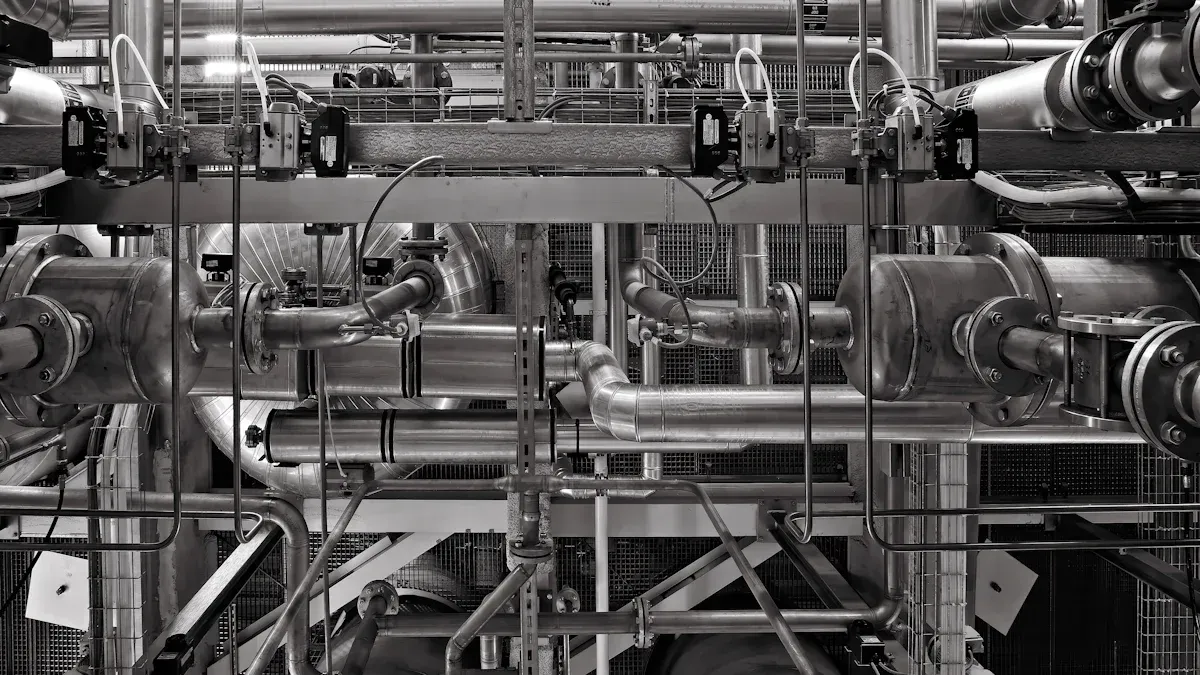
Cast steel valves and cast iron valves are used in many factories. These valves work best when the pressure is not very high. You will see them in water plants and places that clean dirty water. They help control water, slurries, and chemicals. In oil and gas jobs, cast steel valves help stop flow quickly if needed. Chemical plants use these valves because they can handle many chemicals. Power plants use them in cooling water pipes and fuel lines. Food and drink factories use special cast ball valves to keep things clean. You can also find these valves in building plumbing and utility systems.
Here is a table that shows where cast steel valves and cast iron valves are used:
|
Industrial Sector |
Description |
|---|---|
|
Oil & Gas Industry |
Used to stop flow or for safety in drilling and refineries. |
|
Chemical Processing |
Handles many chemicals and seals well. |
|
Water & Wastewater Treatment |
Controls water, slurries, and chemicals in cleaning plants. |
|
Power Generation |
Used in fuel pipes, cooling water, and other services. |
|
Food & Beverage |
Special valves keep food and drinks safe from germs. |
|
Plumbing & General Utility |
Used in buildings for water and drain pipes. |
|
Pneumatic & Hydraulic Systems |
Controls air or fluid flow and shuts off well. |
Note: Cast steel valves and cast iron valves are good if you need a special shape or want to save money.
Typical Uses for Forged Ball Valves
Forged steel valves are important for hard factory jobs. You should pick forged steel if your system has high pressure or heat. These valves are used in oil and gas work, from drilling to making fuel. Chemical and petrochemical plants use forged steel valves for hot and harsh fluids. Power plants use them in steam and cooling systems. Ships and offshore places use forged steel valves because they do not rust in seawater. Medicine and food factories use forged steel valves to keep things clean and safe. Water plants and utility services use these valves for strong and careful flow control.
This table shows where forged steel valves are used:
|
Industry |
Application Description |
|---|---|
|
Oil and Gas |
Controls oil, gas, and fuel under high pressure. |
|
Chemical and Petrochemical |
Good for hot and harsh fluids. |
|
Power Generation |
Used in steam and cooling systems. |
|
Marine and Offshore |
Does not rust in seawater and lasts a long time. |
|
Pharmaceutical and Food Processing |
Keeps flow clean and safe in sanitary systems. |
|
Water Treatment and Utilities |
Controls many fluids with care and strength. |
Tip: Pick forged steel valves for important jobs where safety and working well are most important.
Industrial ball valves, like cast steel, cast iron, or forged steel, are used for many jobs in factories. You can choose the right valve by thinking about pressure, heat, and what kind of fluid your system uses.
Cost and Value Considerations
Initial Cost Comparison
When you choose industrial ball valves, you need to think about the price first. Cast steel valves and cast iron valves usually cost less than forged steel valves. The way you make cast steel valves and cast iron valves is easier and faster. This makes them a good choice if you want to save money at the start. Forged steel valves cost more because they need more work and better materials. You pay more for forged steel, but you get a stronger valve.
Here is a table to help you see the difference in cost:
|
Type |
Cost Comparison |
Characteristics |
|---|---|---|
|
Forged |
More expensive |
Denser, void-free body that resists pressure and stress better than cast valves |
|
Cast |
Less expensive |
May have porosity that can lead to leaks |
If you have a tight budget, cast steel valves and cast iron valves can help you keep costs low. You can use these valves in many industrial jobs where you do not need the highest strength.
Long-Term Value
You should also think about how long your valves will last. Cast steel valves and cast iron valves may cost less at first, but they might not last as long in tough places. If you use these valves in high-pressure or high-temperature jobs, you may need to replace them sooner. This can add to your costs over time.
Forged steel valves give you better value for hard industrial applications. These valves can handle more stress and last longer. You will spend less on repairs and replacements. In the long run, forged steel can save you money, even if you pay more at the start.
When you pick industrial ball valves, look at both the first price and how long the valves will last. Cast steel valves and cast iron valves work well for many jobs, but forged steel is best for the hardest industrial jobs.
Maintenance and Reliability in Industrial Use
Maintenance Needs
You need to check your industrial ball valves often to keep your system safe. Cast steel valves and cast iron valves require regular cleaning and inspection. Dirt and rust can build up inside these valves. You should look for leaks and worn parts. Cast iron valves may need new seals if you see drips. Cast steel valves can last longer if you use coatings to protect them from rust. You can fix cast steel valves and cast iron valves easily. You only need basic tools for most repairs.
Forged steel valves need less maintenance. You can trust these valves in tough industrial jobs. You should still check them for leaks and damage. Forged steel valves have smooth surfaces, so dirt does not stick as much. You can clean them quickly. You do not need to replace parts often. You save time and money with forged steel valves in industrial applications.
Tip: Make a checklist for your maintenance routine. Write down when you clean, inspect, and repair your valves.
Service Life and Failure Risks
You want your valves to last as long as possible. Cast steel valves and cast iron valves work well in many industrial settings. These valves can last for years if you take care of them. Cast iron valves may crack if you use them in high-pressure jobs. Cast steel valves can wear out faster if you use them in hot places. You should watch for signs of rust and leaks.
Forged steel valves last longer in harsh industrial jobs. You can use these valves in places with high heat and pressure. You do not see cracks or leaks as often. Forged steel valves resist damage from chemicals and stress. You can trust these valves for important jobs.
Here is a table that shows the risks for each type:
|
Valve Type |
Common Failure Risks |
Service Life (Years) |
|---|---|---|
|
Cast Iron Valves |
Cracking, rust, leaks |
5-10 |
|
Cast Steel Valves |
Rust, leaks, wear |
8-15 |
|
Forged Steel Valves |
Rare leaks, chemical damage |
15-20 |
You should pick the right valve for your industrial job. Cast steel valves and cast iron valves work well for normal jobs. Forged steel valves are best for tough industrial applications.
Industry Standards for Ball Valves
Standards for Cast Ball Valves
You need to follow strict rules when you use cast steel valves and cast iron valves in industrial applications. These rules help keep your system safe and working well. Many groups set these rules, and you should know the most important ones. The table below shows the main standards for cast steel valves and cast iron valves:
|
Standard |
Description |
|---|---|
|
API 608 |
Sets design, materials, and testing rules for steel ball valves in oil and chemical plants. |
|
API 607 |
Lists fire-safe design and testing needs for quarter-turn valves, making sure they seal during a fire. |
|
ASME B16.34 |
Gives pressure and temperature ratings for valves, so you know they work safely at certain levels. |
|
ASME B16.5 |
Defines sizes, pressure ratings, and sealing surfaces for flanged connections, helping valves fit in piping systems. |
|
ISO standards |
Makes sure valves meet global quality and compatibility needs. |
You will see cast steel valves and cast iron valves in many factories. These standards help you pick the right valves for water, oil, or chemical jobs. Always check if your cast steel valves and cast iron valves meet these rules before you use them.
Standards for Forged Ball Valves
Forged steel valves also need to meet high standards in industrial ball valves. You will find that many of the same rules for cast steel valves and cast iron valves also apply to forged steel. These standards make sure your valves can handle high pressure and heat. Forged steel valves must pass strict tests for leaks, strength, and fire safety. You should look for API, ASME, and ISO marks on your forged steel valves. These marks show that the valves are safe for tough industrial jobs. When you use forged steel valves, you help your system last longer and avoid problems.
Tip: Always ask your supplier for proof that your cast steel valves, cast iron valves, or forged steel valves meet these important standards. This step keeps your industrial system safe and reliable.
Choosing the Right Industrial Ball Valve
Key Selection Factors
You need to look at several important factors before you choose between a forged ball valve and a cast ball valve for your industrial system. Each type of valve works best in certain situations. Here is a checklist to help you decide:
-
Pressure Needs: If your system runs in high-pressure environments, you should pick a forged steel ball valve. These valves have higher mechanical strength and can handle more force.
-
Temperature Range: Forged steel valves work better at high temperatures. They keep their shape and seal even when things get very hot. Cast steel valves and cast iron valves are better for lower or medium temperatures.
-
Media Type: If your system moves harsh chemicals or corrosive fluids, forged steel resists damage better. Cast steel valves and cast iron valves can work with many fluids, but they may not last as long with strong chemicals.
-
Shape and Size: Cast steel ball valves and cast iron valves can have more complex shapes. If your system needs a special design, these valves give you more options.
-
Budget: Cast steel valves and cast iron valves cost less. If you want to save money and do not need the highest strength, these valves are a good choice.
-
Turnaround Time: Cast steel valves and cast iron valves are faster to make and deliver. If you need valves quickly, these are a smart pick.
-
Service Life: Forged steel valves last longer in tough jobs. You will spend less on repairs and replacements over time.
Tip: Always match the valve type to your system’s pressure, temperature, and fluid. This keeps your industrial ball valves safe and reliable.
Here is a quick table to compare the main features:
|
Feature |
Forged Steel Ball Valve |
Cast Steel Ball Valve / Cast Iron Valves |
|---|---|---|
|
Strength |
Higher |
Lower |
|
Pressure Rating |
High |
Medium to High |
|
Temperature Resistance |
High |
Medium |
|
Cost |
Higher |
Lower |
|
Shape Flexibility |
Simple |
Complex |
|
Corrosion Resistance |
High |
Good (with coating) |
|
Turnaround Time |
Longer |
Shorter |
Application-Based Recommendations
You can use this decision guide to pick the right valve for your industrial applications:
-
High-Pressure or High-Temperature Jobs
-
Choose a forged ball valve or forged steel ball valve.
-
These valves work best in power plants, oil and gas, and chemical plants.
-
They resist leaks and damage from heat or pressure.
-
-
General Industrial Use
-
Pick a cast steel ball valve or cast iron valves.
-
These valves fit water treatment, HVAC, and building systems.
-
They cost less and come in many shapes.
-
-
Complex Shapes or Special Designs
-
Use cast steel valves or cast iron valves.
-
These valves can match unique system needs.
-
-
Corrosive or Aggressive Fluids
-
Go with forged steel or a carbon steel ball valve.
-
These valves last longer with harsh chemicals.
-
-
Budget-Friendly Projects
-
Select cast steel valves or cast iron valves.
-
These valves help you save money on large projects.
-
-
Quick Delivery Needed
-
Choose cast steel valves or cast iron valves.
-
These valves have a faster turnaround time.
-
Note: For critical or special application scenarios, talk to your supplier or an engineer. They can help you pick the safest and most reliable valve for your job.
You should always check the pressure, temperature, and media in your system before you decide. If you need a valve for high-pressure environments, forged steel is the best choice. For most other jobs, cast steel valves and cast iron valves work well and save money. When you follow these steps, you keep your industrial system safe and running smoothly.
Forged ball valves are stronger and last longer in hard jobs. Cast ball valves come in more shapes and cost less for most uses. Use forged valves if you have high pressure or heat. Pick cast valves for easy jobs or when you need a special shape. For important systems, talk to suppliers or engineers for help. Ask about their skills, how they track materials, delivery, service, and if they have the right papers and stock. Look at the pressure rating, how the flow works, connection type, actuation, and sealing material. Picking the right valve keeps your plant safe and working well.
FAQ
What is the main difference between cast and forged ball valves?
You get cast ball valves from pouring melted metal into a mold. Forged ball valves come from pressing heated metal into shape. Forged valves are stronger and last longer. Cast valves offer more shape options and cost less.
Can you use cast ball valves for high-pressure systems?
You should not use cast ball valves for very high-pressure jobs. Forged ball valves work better in those situations. Cast valves fit best in low or medium-pressure systems.
How do you choose the right ball valve for your application?
Tip: Check your system’s pressure, temperature, and fluid type. Pick forged valves for tough jobs. Choose cast valves for simple jobs or special shapes. Always ask your supplier if you are unsure.
Do forged ball valves need more maintenance than cast ones?
Forged ball valves need less maintenance. Their smooth surface and strong body help prevent leaks and rust. You will spend less time fixing them compared to cast valves.
Are cast iron and cast steel ball valves the same?
No, they are not the same. Cast iron valves resist rust well and cost less. Cast steel valves are stronger and handle higher pressure. You should pick the one that matches your system’s needs.