



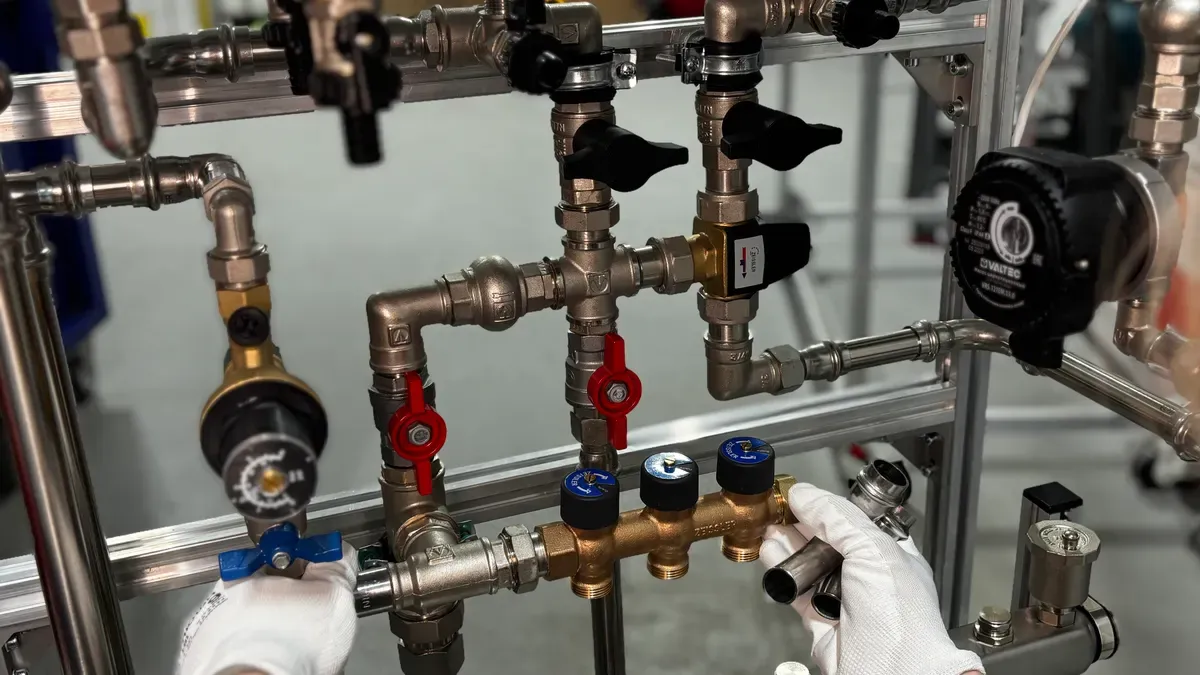
You use pipeline ball valves to make pipes safe and work well. Picking the right kind can be hard. People often choose the wrong size. They forget what the system needs. They do not think about maintenance. They miss how the environment affects the valve. Sometimes, they put the valve in the wrong way. You can stop these problems by learning about each valve’s features and benefits. TANGGONG VALVE is a top company with new designs. Trunnion ball valves need less force to use. They last longer in high-pressure jobs.
Key Takeaways
-
Learn about the types of pipeline ball valves. These include floating, trunnion, vented, and multi-port. Each type is used for different jobs in many industries.
-
Pick the right valve for your system. Think about how much pressure and size you need. This stops leaks and keeps things safe.
-
Think about how easy it is to fix the valve. Some valves are easier to repair. This saves time and money later.
-
Choose valve materials that fit your environment. This keeps the valve from rusting. It also makes the valve last longer.
-
Get advice from experts like TANGGONG VALVE. This helps you pick the best valve for your job.
Types of Pipeline Ball Valves
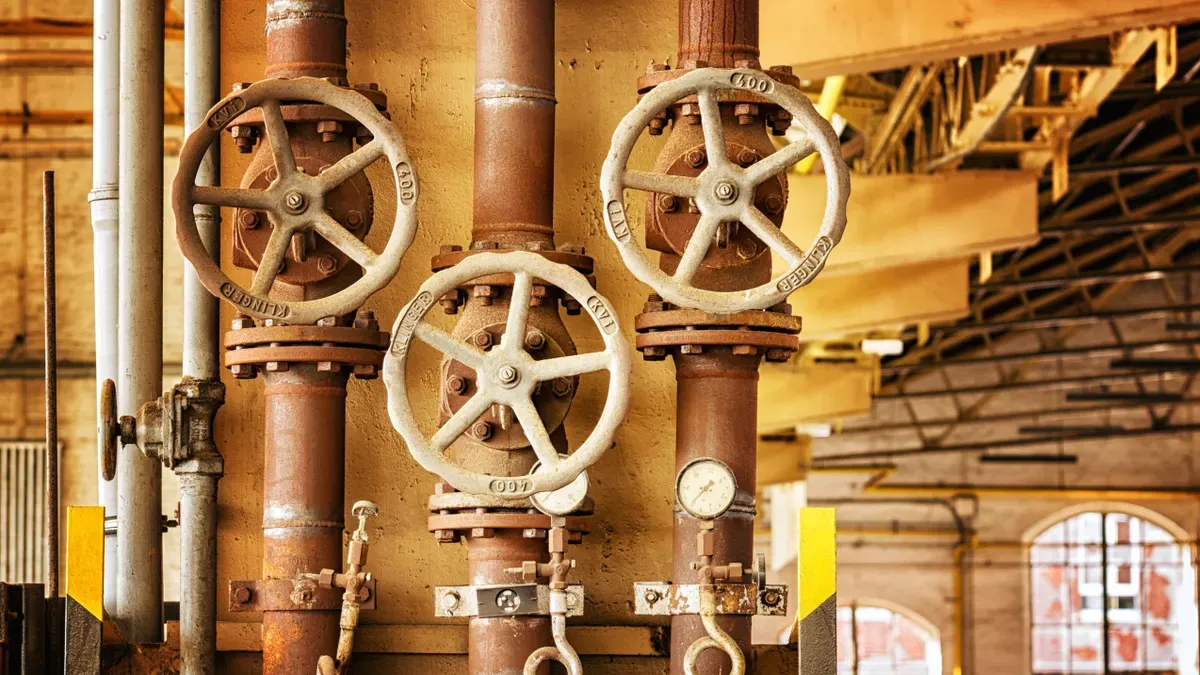
When you pick a pipeline ball valve, you should know the main types. Each type has special features and works best in certain jobs. TANGGONG VALVE has many ball valve types for different industries. You can look at the table below to see the main types and their key features:
|
Valve Type |
Description |
|---|---|
|
Floating Ball Valve |
The ball floats and pushes on the seat to seal. |
|
Trunnion Ball Valve |
The ball is held by trunnions and seals on both sides. |
|
Vented Ball Valve |
Has a vent or bleed to let out trapped pressure or fluid. |
|
Multi-Port Ball Valve |
Has more than two ports for mixing, splitting, or moving flow. |
Let’s learn about each type and how you can use them in your piping systems.
Floating Ball Valve Types
Floating ball valves are used in many pipeline ball valve jobs. This type lets the ball move a little inside the valve body. When pressure is added, the ball pushes against the seat. This makes a tight seal and stops leaks.
You can use floating ball valves in these places:
-
Oil and gas pipelines and refineries
-
Petrochemical plants for controlling chemicals and solvents
-
Chemical processing for handling dangerous liquids
-
Power plants for closing off steam, water, or fuel lines
-
Water and wastewater treatment plants
-
Plumbing and HVAC systems in buildings
Floating ball valve types work best in low and medium pressure systems. You often see them in small pipelines, water supply systems, and heating networks. They are easy to fix and cost less than other ball valves. You can see the main good and bad points in the table below:
|
Advantages of Floating Ball Valves |
Disadvantages of Floating Ball Valves |
|---|---|
|
Good price for many uses |
Not for high-pressure or hot jobs |
|
Simple to fix with fewer parts |
Usually for smaller sizes |
|
Tight seal to stop leaks |
Seats can wear out over time |
|
Needs less force to use |
Can get damaged by cavitation |
Pick a floating ball valve if you want a simple, reliable, and low-cost choice for your piping system.
Trunnion Ball Valve Types
Trunnion ball valve types have a different design. The ball does not move. It is held in place by trunnions at the top and bottom. This helps the valve handle higher pressures and bigger sizes. Trunnion ball valves need less force to use, even in large pipelines.
You can use trunnion ball valves in:
-
Oil and gas pipelines for safe flow control
-
LNG systems that must handle very high or low temperatures
-
Hydrocarbon processing plants
-
Power plants for turbines and compressors
-
Chemical plants where safety and sealing are most important
Trunnion ball valve types give you tight sealing on both sides of the ball. They last longer in tough jobs and need less fixing. You can see the main differences between floating and trunnion ball valves in this table:
|
Feature |
Floating Ball Valve |
Trunnion Ball Valve |
|---|---|---|
|
Ball Movement |
Ball moves against seat |
Ball held by trunnions |
|
Pressure Capability |
For smaller sizes, medium pressure |
For high pressure, large diameters |
|
Operating Torque |
Gets higher with size and pressure |
Stays steady, needs less force |
|
Sealing Mechanism |
Seals on one side |
Seals on both sides |
|
Cost |
Lower |
Higher, but for hard jobs |
Pick a trunnion ball valve if you need a pipeline ball valve for high-pressure, big size, or very safe jobs.
Vented Ball Valve Types
Vented ball valve types add extra safety to your piping system. These valves have a vent or bleed hole. The vent lets you release trapped pressure or fluid from inside the valve. This is very important when you need to fix the valve or stop leaks.
You will often use vented ball valves, like Double Block and Bleed (DBB) valves, in pipeline systems that need two shutoff barriers. The vent lets you drain or vent the space between the barriers. This keeps your system safe, stops leaks, and protects the environment. You can use vented ball valves in oil and gas pipelines, chemical plants, and any place where safety matters most.
Tip: Always use vented ball valve types when you need to close off parts of your pipeline for safe fixing.
Multi-Port Ball Valve Types
Multi-port ball valve types give you more ways to control flow in your piping system. These valves have three or more ports. You can use them to mix, split, or move fluids in different directions.
You will find multi-port ball valves helpful in:
-
Flow splitting systems
-
Mixing and blending jobs
-
Batch processing lines in factories
-
Industrial transfer systems
Multi-port ball valve types help you automate hard jobs. You can change flows without adding more valves or pipes. This saves space and makes your system easier to use.
Note: Multi-port ball valves are great for process automation and flexible flow control in modern industries.
When you pick a pipeline ball valve, you should match the ball valve types to your system’s needs. TANGGONG VALVE has all these types of ball valves, made to meet strict quality rules like API 6D, ISO 9001, and CE. You can trust their ball valve series for good performance in any industry.
Port Designs and Flow in Valves
When you choose valves in piping systems, you must look at the port design. The port is the opening inside the ball that lets fluid pass through. The shape and size of the port change how the ball valve works. You can pick from three main types: full-port, reduced-port, and V-port.
Full Port Ball Valve
A full-port ball valve has a port that matches the pipe’s inside diameter. This design gives you a straight path for fluid. You get almost no pressure drop. The flow stays smooth and strong. You can use a full-port ball valve when you want the best flow and need to run cleaning tools, like pipeline pigs, through the line.
A full-port ball valve is defined by having a port diameter in the ball that is identical to the internal diameter (ID) of the pipe it is connected to. This design, standardized by API 6D for pipeline valves, is the gold standard for on/off isolation because it offers the lowest possible pressure drop and maximum flow capacity (Cv) for its size.
TANGGONG VALVE makes full-port ball valves that meet API 6D, ISO 17292, and ANSI B16.34 standards. You can trust these valves for oil, gas, and water pipelines.
Reduced Port Ball Valve
A reduced-port ball valve has a smaller opening than the pipe. The fluid must speed up to pass through. This causes a pressure drop and more turbulence. You may see a 5% to 15% drop in flow, depending on the pipe size and pressure. You can use reduced-port ball valves when you do not need full flow and want to save cost or space.
-
A smaller opening in reduced-port valves forces fluid to accelerate, increasing pressure drop.
-
Higher velocity through the bore of reduced-port valves leads to additional turbulence and greater energy losses.
TANGGONG VALVE offers reduced-port ball valves for many industries. These valves follow strict international standards for safety and performance.
V-Port Ball Valve
A V-port ball valve has a V-shaped notch in the ball. This shape lets you control the flow very well. You can use a V-port ball valve for jobs that need careful flow control, like chemical dosing or temperature control. The flow changes smoothly as you turn the handle.
Here is a table to help you compare the main port designs:
|
Attribute |
V-Port Ball Valve |
Full-Port Ball Valve |
|---|---|---|
|
Primary Function |
Throttling (Flow Control) |
Isolation (On/Off) |
|
Flow Characteristic |
Equal Percentage (Excellent Control) |
Quick Opening (Poor Control) |
|
Pressure Drop (Open) |
Moderate to High |
Extremely Low |
|
Slurry / Solids Handling |
Poor (Prone to clogging) |
Excellent (Unobstructed path) |
|
Piggable |
No |
Yes |
|
Common Application |
Chemical dosing, temp control |
Pipeline isolation, slurry lines |
You should match the port design to your system’s needs. TANGGONG VALVE gives you many choices, all made to meet top global standards.
Body Configurations and Materials
It is important to know about valve types and body shapes before you pick a ball valve. The way the valve body is made changes how you fix, put in, and use the valve. What the valve is made of also matters for how long it lasts and how safe it is. TANGGONG VALVE has many ball valves with different body shapes and materials.
One-Piece Ball Valve
One-piece ball valves are made from one solid piece. They are small and light. These valves do not cost much and are good for easy jobs. You cannot fix them if they break. If the seat or ball wears out, you must get a new valve. One-piece ball valves are best when you want something cheap and do not need to fix it often.
Two-Piece Ball Valve
Two-piece ball valves have a main part and a second part. You can take them apart to do simple repairs. These valves are not too expensive and are easy to fix. They work well for many uses. You can change the seat, but you must take the valve out of the pipe. Two-piece ball valves are used a lot in water, gas, and chemical pipes.
Three-Piece Ball Valve
Three-piece ball valves have a main part and two end pieces. You can open them up for repairs without taking them out of the pipe. These valves save time and help you fix things faster. You can change the seat or ball easily. Three-piece ball valves cost more at first, but you save money later. They are good for places where you need to fix things often.
|
Feature |
One-Piece Ball Valve |
Two-Piece Ball Valve |
Three-Piece Ball Valve |
|---|---|---|---|
|
Ease of Maintenance |
Non-repairable |
Moderate maintenance ease |
Easy disassembly for repairs |
|
Cost |
Low |
Moderate |
High |
Welded Ball Valve
Welded ball valves are joined together by welding. They are very strong and do not leak from the body. These valves can handle very hot or cold places and high pressure. Welded ball valves are good for dangerous places. You do not need to fix them much. They last a long time and save money. TANGGONG VALVE makes welded ball valves for pipes underground and tough jobs.
-
Very strong in hard places
-
No leaks from the body
-
Safer with fewer outside seals
-
Need little fixing
Top Entry Ball Valve
Top entry ball valves let you reach the seat and ball from the top. You do not have to take the valve out of the pipe. These valves make repairs fast and safe. You do not stop your system for long. Top entry ball valves are great for big pipes or tight spaces.
|
Feature |
Top Entry Ball Valve |
Side Entry Ball Valve |
|---|---|---|
|
Maintenance |
Easy to reach inside parts without taking it out |
Must take out of the pipeline to fix |
You need to pick the right materials for your ball valves. Stainless steel, coated balls, and PFA-fused materials stop rust and last longer. If you match the ball and body material, the seat works well in all temperatures. This keeps your system safe from leaks and damage.
|
Material |
Corrosion Resistance |
Wear Resistance |
Contamination Risk |
Relative Cost |
Typical Applications |
|---|---|---|---|---|---|
|
Stainless steel balls |
High |
High |
Low |
$$ |
Chemical, food processing |
|
Coated balls (chrome, nickel, polymer) |
Variable |
Moderate |
Medium |
$$ |
Low-friction applications |
|
PFA-fused |
Very High |
Very High |
Very Low |
$$$ |
Buildup-prone, sanitary, corrosive |
You should think about the place where you use the valve. Very hot or cold weather, wet air, and strong chemicals can change what valve you need. Places with explosion risks need special materials and seats. TANGGONG VALVE has many choices for flanged, screwed, and welded valves. You get valves that turn a quarter and seats that last a long time.
Tip: Always pick seat and ball materials that fit your system. This keeps your pipes safe and makes fixing easier.
Features and Actuation Options
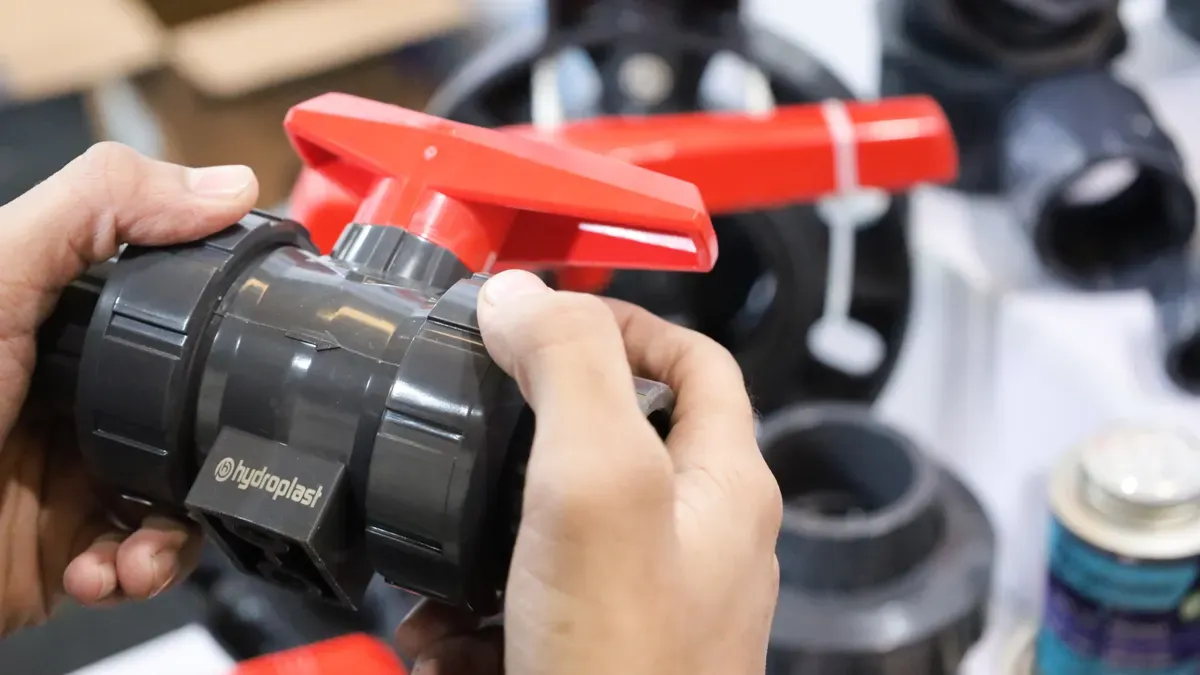
Soft-Seated vs. Metal-Seated Ball Valve
When you pick a ball valve, you need to think about the seat material. The seat touches the ball and stops leaks. You can pick soft-seated or metal-seated designs. Each works best in different jobs.
-
Soft-seated ball valves use materials like PTFE, RPTFE, or PEEK. These seats seal well for most fluids. They work well for normal temperature and pressure. You get smooth use and tight shut-off. But soft seats can break if used with very hot fluids or rough conditions. They are not good for high pressure ball valves or cryogenic ball valves with extreme temperatures.
-
Metal-seated ball valves use strong metals for the seat. You can use these valves in high pressure ball valves, cryogenic ball valves, and places with very hot or rough fluids. Metal seats handle temperatures up to 600°C or more. They last longer when moving fluids with sand, ash, or solids. You often see metal-seated valves in power plants, refineries, mining, and pulp and paper jobs. These valves give reliable isolation and regulation in tough jobs.
Tip: Always match the seat material to your fluid, temperature, and pressure needs. This keeps your pipeline safe and stops leaks.
Manual, Electric, Pneumatic, Hydraulic Actuation
You can control a ball valve in many ways. The actuation method changes how you open, close, or adjust the valve. Your choice affects how fast you move fluid, how much force you need, and how easy it is to automate your system.
-
Manual ball valves use a lever or gear. You turn the handle to start or stop fluid flow. Manual ball valves work well for simple isolation and regulation jobs. You do not need extra power or wiring.
-
Electric ball valves use a motor to move the ball. You can control these valves from far away. Electric ball valves are great for automation and remote regulation. You can set them to open or close at certain times or when sensors tell them to.
-
Pneumatic ball valves use air pressure to move the ball. These valves give fast action and high reliability. Pneumatic ball valves are common in factories and places where you need quick isolation or regulation of fluid.
-
Hydraulic ball valves use fluid power to move the ball. You get strong force and precise control. Hydraulic actuation is best for high pressure ball valves and cryogenic ball valves in heavy-duty jobs.
Here is a table to help you compare actuation options:
|
Actuation Type |
Key Features |
Applications |
|---|---|---|
|
Pneumatic Actuators |
Fast cycle times, high reliability, double acting or spring return options |
Manufacturing plants, high cycle applications |
|
Electric Actuators |
Quiet operation, programmable settings, suitable for remote installations |
Process automation, building services |
|
Electro-Hydraulic |
Combines electric motor with hydraulic power for high force and control |
Applications requiring both high force and precision |
You should always match the actuation method to your fluid, pressure, and automation needs. TANGGONG VALVE offers manual ball valves, electric ball valves, pneumatic ball valves, and hydraulic options. You can trust their ball valve series for safe isolation and precise regulation in any pipeline.
You can find many types of pipeline ball valves. Each type has its own features. To pick the right valve, you must check a few things. Look at the pressure rating and the size you need. Make sure the material is right for your job. Think about how you will open and close the valve. If you forget what your system needs, problems can happen. Leaks or failures may occur if you do not check the environment. TANGGONG VALVE gives you special solutions for each industry. They test their valves carefully. You also get help for a long time.
Use this checklist for your job:
-
Pressure class
-
Material compatibility
-
Maintenance access
-
Isolation capability
|
Benefit |
Description |
|---|---|
|
Expert Advice |
TANGGONG engineers help you pick the right valve |
|
Ongoing Support |
You get help with hard projects |
FAQ
What are the main functions of a valve in a pipeline system?
A valve lets you start, stop, or control flow. It can move liquids or gases. Valves also help control pressure. They keep your system safe. Knowing what a valve does helps you pick the right one.
How does valve classification help you select the right product?
Valve classification groups valves by how they are made or used. This makes it easier to compare different valves. You can pick the best one for your needs. It also helps you follow rules in the industry.
When should you choose flanged end valves?
Pick flanged end valves for strong, leak-proof connections. These valves work well in high-pressure jobs. They are good for hot systems too. You can remove them easily for fixing or changing.
What is a standard port ball valve and when is it used?
A standard port ball valve has a smaller opening. You use it when full flow is not needed. This valve saves space and money. It works well for many simple jobs.
Why is PTFE a popular seat material in ball valves?
PTFE is used because it resists chemicals. It can handle many temperatures. PTFE seats give a tight seal. They make the valve work smoothly. This material is good for many industries.
What makes a trunnion mounted ball valve different?
A trunnion mounted ball valve has supports at the top and bottom. This design lets it handle higher pressure and bigger sizes. It needs less force to use. You get good sealing and long life.
How do pressure-temperature ratings affect valve selection?
You must check pressure-temperature ratings before picking a valve. These ratings show safe limits for use. Choosing the right ratings keeps your system safe. It stops leaks and failures.